
A bright sale sticker can be hard to ignore at the grocery store. “Save $1,” “Special Offer,” or “Two for $5” can make a product feel like a bargain before shoppers even look at the package. But the lowest advertised price does not always mean the lowest cost for the amount of food inside. A smaller package on sale may still cost more per ounce than a larger one at its regular price.
That is where unit pricing comes in. The price per ounce, pound, or other standard unit lets shoppers compare products of different sizes without relying on the sticker price alone. It is especially useful when brands offer different package sizes, temporary discounts, or promotions that encourage shoppers to buy more than one item. Instead of asking only, “How much does this package cost?” shoppers can ask, “How much am I paying for the amount I’m getting?”
The Sale Price Doesn’t Tell the Whole Story
A sale sticker shows the amount charged for a package, but it does not automatically show whether that package is a good value. For example, a 12-ounce box of cereal priced at $3 may seem like a better deal than a 20-ounce box priced at $4.50. The smaller box costs less at checkout, but it costs 25 cents per ounce. The larger box costs 22.5 cents per ounce, making it less expensive for the same amount of cereal.
The difference can be easily overlooked when shoppers are moving quickly through the aisles. A discount may also be applied to a package that was already more expensive than a competing brand. Unit pricing makes the comparison clearer by putting products on a common scale. It does not mean shoppers should always choose the lowest unit price, but it helps them see what the sale sticker leaves out.
How to Read the Unit Price Label
Many grocery stores display a unit price on the shelf tag near the regular price. Depending on the product, it may be listed as a cost per ounce, pound, quart, liter, or another standard measurement. The unit price is calculated by dividing the package’s price by the amount of product it contains. A 16-ounce package costing $4, for example, has a unit price of 25 cents per ounce.
The label can be especially helpful when package sizes are not easy to compare by sight. One jar of pasta sauce may be taller, while another is wider or uses a different container. The shelf tag can reveal which one costs less for the same quantity. Shoppers should make sure they are comparing the same type of measurement, though, since a price per ounce and a price per pound cannot be compared directly without converting them.
Bigger Packages Can Be Cheaper — But Not Always
Large packages often have a lower price per ounce because shoppers are buying more at once. That can make family-size cereal, bulk snacks, large containers of yogurt, or bigger bags of frozen vegetables appealing. But a larger package is not automatically the better value. Some stores price smaller sizes competitively, and certain brands may charge more per unit for their biggest package.
It also matters whether the household will use the food before it goes stale or expires. A large container of something that gets thrown away is not a savings, even if the unit price is lower. Shoppers should consider how often they eat the product, whether it can be frozen or stored safely, and how much space they have. The best deal is one that delivers a lower cost for food the household will actually use.
“Two for” Promotions Can Be Misleading
Promotions such as “two for $5” can be worthwhile, but shoppers should check whether buying two is required to receive the discount. Some stores apply the sale price to each item when customers buy just one, while others require the stated quantity. The rules can vary by retailer and promotion, so the shelf tag or offer details matter. If a shopper only needs one item, buying an extra product may not be a good use of the grocery budget.
Unit pricing can help compare a multi-item promotion with other options. Suppose two 10-ounce packages cost $5 total. That works out to 25 cents per ounce. A different brand’s 24-ounce package for $5.40 costs 22.5 cents per ounce, even though its shelf price is higher. Looking at the unit cost helps shoppers judge the promotion based on the amount of food rather than the bold wording on the sign.
Compare Similar Products, Not Just Similar Sizes
Unit pricing is most useful when shoppers compare products that serve the same purpose. A price-per-ounce comparison between two brands of canned tomatoes can be straightforward, but comparing a concentrated soup with a ready-to-serve version may require more thought. One product may need water or other ingredients added, while the other is ready to use. The label gives shoppers a starting point, but the amount of usable food and the way it will be prepared can affect the value.
The same issue can come up with products sold by weight and products sold by count. A package of individually wrapped snacks may have a higher unit price than a large bag, but the individual portions could help a household manage serving sizes or pack lunches. For some shoppers, convenience is worth paying a little more. The goal is not to choose the cheapest number in every situation, but to understand what that number represents.
A Few Quick Checks Can Make Unit Pricing Easier
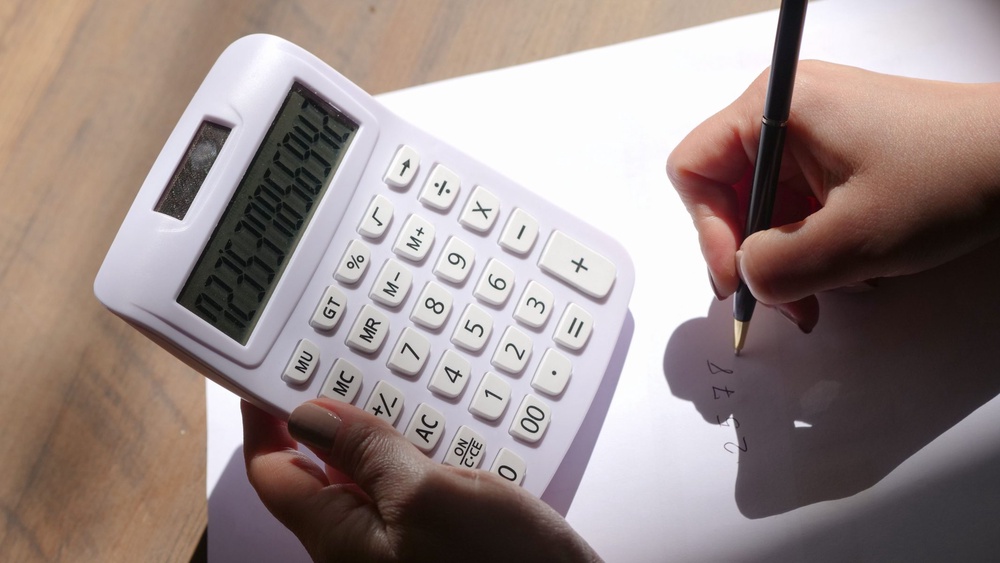
Shoppers do not need to calculate every item in the store to benefit from unit pricing. It can be most useful for products bought regularly, such as cereal, coffee, cheese, canned goods, paper products, and household staples. Comparing those items over time can help shoppers recognize which package sizes and brands tend to offer better value. It may also help identify when a sale price is genuinely competitive.
Before putting a discounted item in the cart, check the package quantity, shelf unit price, and any conditions attached to the promotion. If the unit price is missing or difficult to read, dividing the package price by its quantity can provide a quick comparison. Shoppers should also consider quality, ingredients, storage, and how much they need. A lower unit price can be useful, but it is only one part of a smart purchase.
The Better Bargain Is the One That Fits Your Budget
Sale stickers can draw attention to a discount, but they do not always show how much shoppers are paying for the food inside the package. Price per ounce or another unit makes it easier to compare different sizes, brands, and promotions. It can reveal when a regular-price product costs less per unit than a sale item, or when a larger package offers genuine savings.
Still, the lowest unit price is not always the right choice. Buying more than a household can use, choosing a product that will go to waste, or spending extra to meet a multi-item promotion can erase the benefit. Checking the unit price alongside the package size and the household’s needs gives shoppers a clearer picture of the deal before they reach the checkout.
What To Read Next
USDA Announces $77 Million for School Meals — Here’s What Could Change in Cafeterias
Mezzetta Recalls 32-Ounce Peperoncini After Pest Contaminant Report — Check This Lot Number
The Per-Ounce Rule That Could Save You Hundreds on Groceries This Year