The grocery cart looks familiar: chicken, eggs, milk, cereal, fresh vegetables, and a few household staples.
Nothing extravagant has made its way onto your shopping list, yet the total at checkout keeps creeping upward. You’ve switched to store brands, started watching sales, and cut back on unnecessary purchases, but your weekly grocery budget still feels harder to manage.
The numbers help explain why.
The Bureau of Labor Statistics reported that average annual household spending on food at home increased from $6,224 in 2024 to $6,491 in 2025, an increase of approximately $267.
Understanding why grocery bills keep rising requires looking beyond the overall inflation rate and examining what individual foods actually cost.
Grocery Spending Is Rising Faster in Some Categories
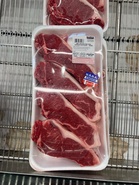
The Bureau of Labor Statistics’ latest Consumer Expenditures report, released October 29, 2026, found that average annual food-at-home spending increased approximately 4.3% in 2025. However, spending on meats, poultry, fish, and eggs increased 11.7%, considerably faster than the broader grocery category. Spending on fruits and vegetables increased 3.7%, while cereals and bakery products declined 4.9%. These differences matter because households don’t purchase every food category in equal proportions. A family that regularly buys meat, eggs, and fresh produce may experience a different budget impact than the national average suggests.
Your Personal Inflation Rate May Be Higher
National food inflation figures represent averages across thousands of products and purchasing patterns. The USDA Economic Research Service reported that average food-at-home prices increased 2.3% in 2025, but individual categories experienced different price movements. A family purchasing large quantities of products with above-average price increases can face greater pressure than the headline inflation figure implies. Regional differences, store selection, and dietary needs can further influence household spending. That’s one reason why grocery bills keep rising even when a family’s shopping habits appear unchanged.
Smaller Packages Can Hide Higher Prices
Manufacturers sometimes reduce package sizes without making equally noticeable changes to shelf prices. This practice, commonly called shrinkflation, can increase the price per ounce or serving even when the package looks nearly identical. A cereal box shrinking from 18 ounces to 15 ounces while remaining $4.50 effectively raises the unit price from 25 cents to 30 cents per ounce. That’s a 20% increase in the cost per ounce without any change in the checkout price. Comparing unit prices rather than package prices can reveal these less obvious increases.
Sales Don’t Always Deliver the Savings You Expect
A bright discount label doesn’t necessarily mean a product is cheaper than comparable alternatives. Stores may advertise a percentage discount from a regular price that was already higher than competing products. Loyalty-card promotions and multi-buy offers can also encourage customers to purchase more than they need. The FTC’s advertising guidance emphasizes that promotional claims should be truthful and not misleading. Shoppers can protect themselves by comparing actual unit prices and checking whether discounted quantities fit their household’s consumption.
Food Waste Makes Higher Prices Even More Expensive
Throwing away spoiled produce or forgotten leftovers means losing money that has already been spent. The USDA estimates that food loss and waste represent a significant economic problem throughout the food system. For a household spending $600 monthly on groceries, wasting just 10% of purchases would represent $60 each month or $720 annually. That calculation is illustrative rather than an estimate of the average family’s actual waste. Planning meals around ingredients already in the refrigerator can reduce unnecessary purchases and help stretch expensive groceries further.
Convenience Foods Can Change the Total Quietly
Precut vegetables, individually packaged snacks, prepared meals, and single-serving beverages can make shopping more convenient. However, those conveniences often come with higher unit prices than larger or less processed alternatives. A family buying four $2.50 individual yogurt cups spends $10, while a larger container may offer more servings for less money. The savings depend on actual store prices and whether the larger package will be consumed before spoiling. Choosing convenience strategically can preserve time without allowing every grocery category to become more expensive.
A Better Grocery Budget Starts With Your Receipts
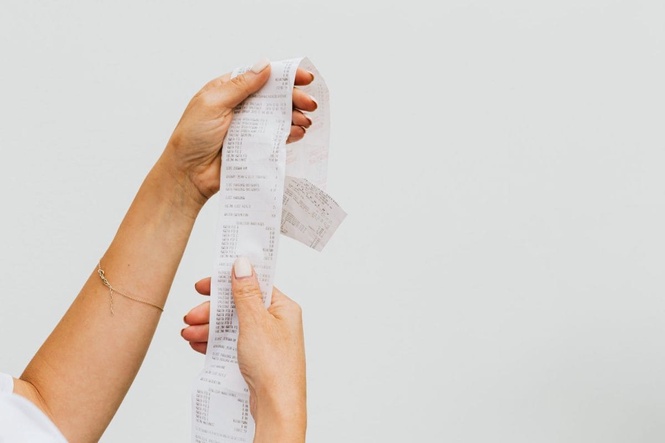
Rather than setting an arbitrary spending limit, review four to six weeks of actual grocery receipts. Identify the 15 or 20 items your household purchases most frequently and record their current unit prices. Compare those prices across nearby stores, warehouse clubs, and available store-brand alternatives. Focus on the products responsible for the largest share of spending rather than spending hours chasing tiny discounts. A $2 savings on an item purchased every week produces $104 in annual savings.
Your Grocery List Isn’t Necessarily the Problem
Understanding why grocery bills keep rising can help families distinguish genuine price increases from changes in purchasing habits. The latest federal figures confirm that household food spending increased, with particularly substantial growth in certain categories. Unit-price comparisons, meal planning, and reducing waste can help offset some of that pressure. However, no amount of coupon clipping can completely erase the impact of higher prices on essential foods. A realistic grocery budget should reflect what your family actually needs and what those products currently cost.
Which grocery item has increased the most in price at your local store? Have you changed what your family buys because of higher food costs? Share your experience in the comments.
What to Read Next
7 Reasons Your Fall Grocery Bill May Look Different From Your Summer One