Remember when stopping for a burger, fries, and a drink felt like an inexpensive way to grab a meal? For many customers, that familiar order now comes with a much bigger bill than they expect. Fast-food prices have climbed over the years, and even modest increases can add up when you regularly order the same things. The U.S. Bureau of Labor Statistics reported that food-away-from-home prices rose 4.1% in 2024 and another 4.1% from December 2024 to December 2025. The result is a familiar experience for customers: an order that used to feel routine now requires a second look at the receipt.
Small Price Increases Add Up Over Time
One reason your usual order feels more expensive is that menu prices rarely rise all at once. A burger might cost a little more one year, fries may increase later, and drinks can become more expensive in between. Because these changes happen gradually, customers may not notice each increase until they compare today’s receipt with what they remember paying several years ago.
Restaurant prices have continued to rise even as the pace of inflation has eased from the sharp increases earlier in the decade. National data show that food away from home became more expensive in both 2024 and 2025. That doesn’t mean every fast-food item increased by the same amount, since prices vary by chain, location, and menu item. Still, a few dollars added across a familiar combination can make a noticeable difference to a household budget.
The Combo Meal Isn’t Always the Best Deal
Combo meals are designed to make ordering simple by grouping an entrée, side, and drink together. But the bundle may not be the cheapest option for every customer, especially if the meal includes items they wouldn’t otherwise purchase. Someone who mainly wants a sandwich may pay more by choosing a combo and leaving half the fries or drink unfinished.
Before ordering, compare the combo price with the individual items and consider what you’ll actually eat. Sometimes the bundle offers meaningful savings, especially when you want all three components. Other times, ordering a sandwich on its own or choosing a smaller side may cost less. The key is to judge the deal by its total price and your appetite, rather than assuming the word “combo” automatically means better value.
Extra Toppings and Upgrades Quietly Raise the Total
Your usual order may have changed without you realizing how much the extras cost. Adding bacon, extra cheese, premium toppings, a larger drink, or an upgraded side can turn a basic meal into a more expensive purchase. Each option may seem inexpensive by itself, but several upgrades can quickly push the total beyond what you planned to spend.
These extras are especially easy to overlook when ordering through a touchscreen or app. Customization menus often present upgrades as small additions, making it tempting to select them without checking the final total. If you’re trying to keep costs down, review the price after customizing your order and remove anything that isn’t worth the added expense. You can still enjoy your favorite meal without automatically accepting every upgrade.
Delivery Can Make the Same Order Much More Expensive
A meal that seems reasonably priced on a restaurant’s menu can cost substantially more when ordered through a delivery app. Depending on the restaurant and platform, customers may encounter different menu prices, delivery fees, service fees, and suggested tips. Taxes and other charges can add to the final bill, too.
That doesn’t mean delivery is never worthwhile, particularly when convenience matters, or a promotion offsets some of the extra costs. But customers should compare the checkout total with the restaurant’s pickup price before placing an order. If the difference is significant, picking up the meal yourself may be the easiest way to save. Also check whether a delivery promotion applies to your specific order, since a discount doesn’t always eliminate every additional charge.
Value Menus Are Back, but the Details Matter
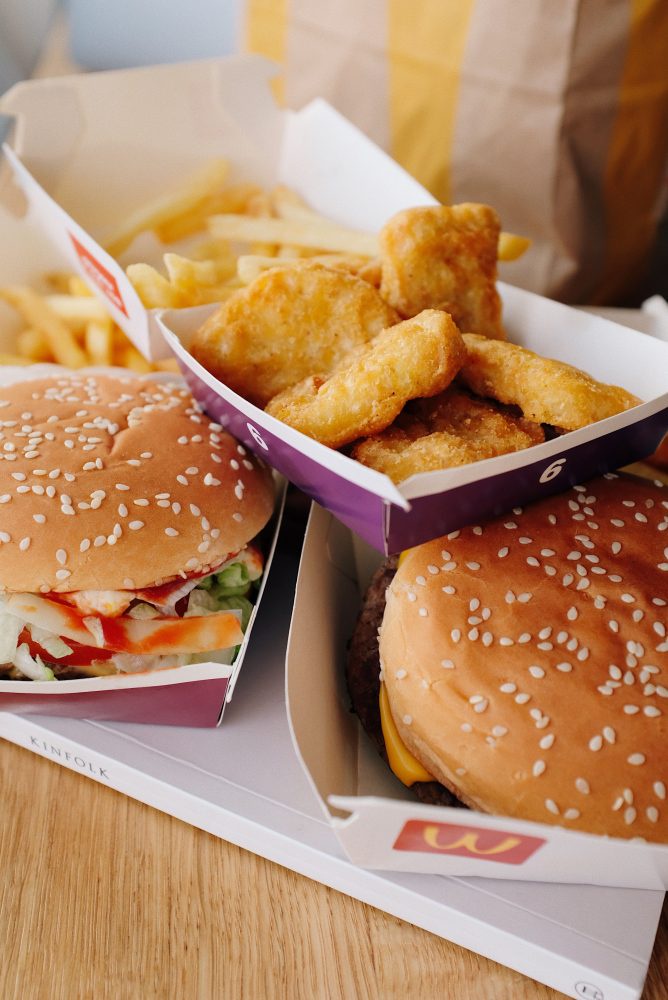
Fast-food chains know customers are watching their spending, which is why value menus and meal deals have become a major part of the competition. In 2026, brands including McDonald’s, Taco Bell, Wendy’s, and Subway have promoted lower-priced options designed to make ordering feel affordable again. These offers can provide real savings, but their terms and available items vary by restaurant and location.
The important distinction is between a genuinely useful deal and one that encourages you to spend more than intended. A low-priced sandwich may be a bargain if that’s all you want, while adding sides and drinks can bring the order closer to a regular combo price. Check portion sizes, qualifying items, and any purchase requirements before deciding. The best value is the meal that meets your needs at a price you’re comfortable paying.
App Deals Can Beat the Price on the Menu Board
Restaurant apps have become an important way to find discounts, including limited-time offers, rewards, and deals available only to members. Some promotions reduce the price of a meal, while others require customers to buy multiple items or spend a minimum amount. That means an offer can look attractive without necessarily saving money on the order you planned to place.
Before ordering, check the app for offers that match your usual purchase. Compare the discounted total with the regular menu price, and pay attention to whether the promotion requires a particular size, side, or drink. If a buy-one-get-one deal encourages you to purchase food you don’t need, it may not be the best choice for your budget. Using an app strategically can help you keep a favorite meal affordable without turning every visit into a larger order.
Restaurant Prices Can Vary by Location
The price you remember paying at one restaurant may not match the price at another location, even within the same chain. Many fast-food restaurants use location-specific pricing, so a meal can cost more in one city or neighborhood than it does elsewhere. Differences in operating expenses, local competition, and franchise decisions can all contribute to the variation.
This is why comparing a price from an old receipt, social media post, or national advertisement with your local menu can be misleading. Promotions may also be limited to participating locations or exclude certain ordering channels. If your regular order suddenly seems unusually expensive, check the current menu at your usual restaurant and compare it with another nearby location if convenient. You may discover that the price increase is partly local rather than consistent across the entire chain.
Portions and Expectations Can Make the Price Feel Worse
Sometimes the frustration isn’t just the amount on the receipt. Customers may feel they’re getting less value when a familiar meal costs more than they remember, especially if the portion seems smaller or the ingredients don’t meet their expectations. Even without a confirmed portion change, paying a higher price for the same order can make the experience feel less satisfying.
To evaluate the value fairly, consider the actual portion, quality, and how well the meal satisfies you, not just the price alone. If a larger size costs considerably more, it may not be worthwhile unless you’ll eat the extra food. You can also compare similar items across restaurants, but remember that portion sizes and ingredients may differ. Paying more only makes sense when the meal still delivers the convenience and satisfaction you expect.
Your Best Defense Is Knowing What You Usually Pay
When prices change gradually, it becomes difficult to know whether your favorite meal has increased by a little or a lot. Keeping an old receipt or checking the restaurant’s current menu can give you a clearer picture. You don’t need to track every purchase, but knowing the typical cost of your regular order makes it easier to recognize when a deal is genuinely worthwhile.
If your usual meal no longer fits your budget, consider adjusting the order rather than giving it up entirely. You could skip an upgrade, choose water instead of a paid drink, use a relevant app offer, or order a smaller meal when you’re not very hungry. You can also decide how often fast food fits into your spending plan instead of making it an automatic stop. The goal isn’t to avoid every price increase, but to make sure you’re still getting enough value for what you spend.
What’s Driving Up Fast-Food Prices and How to Save on Your Usual Order
That familiar fast-food order may cost more today because of gradual menu price increases, paid upgrades, delivery fees, and changing local prices. While combo meals and app promotions can offer savings, not every deal is as affordable as it first appears. Discover how to compare prices, avoid unnecessary add-ons, and find better offers so you can enjoy your favorite fast-food meals without overspending.
What To Read Next
8 Fast-Food Items Employees Say Are Better When You Order Them This Way
Is the Combo Meal Actually Cheaper? We Did the Math at 6 Fast-Food Chains
The Fast-Food Menu Says $10 — The App Says $6. Why Are Customers Paying Different Prices?
Ordering the “Meal” Feels Like the Better Deal — But These Fast-Food Combos Say Otherwise
The 4 Most Dangerous Ingredients Found in Fast-Food Burgers
The post Why Your Favorite Fast-Food Order Costs More Than You Remember appeared first on Grocery Coupon Guide.