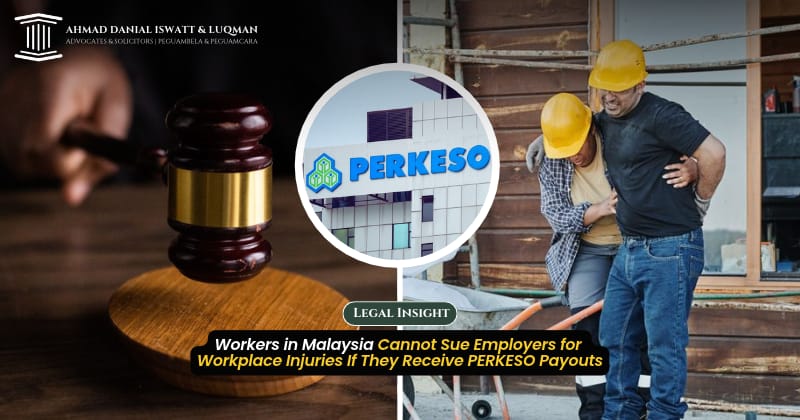
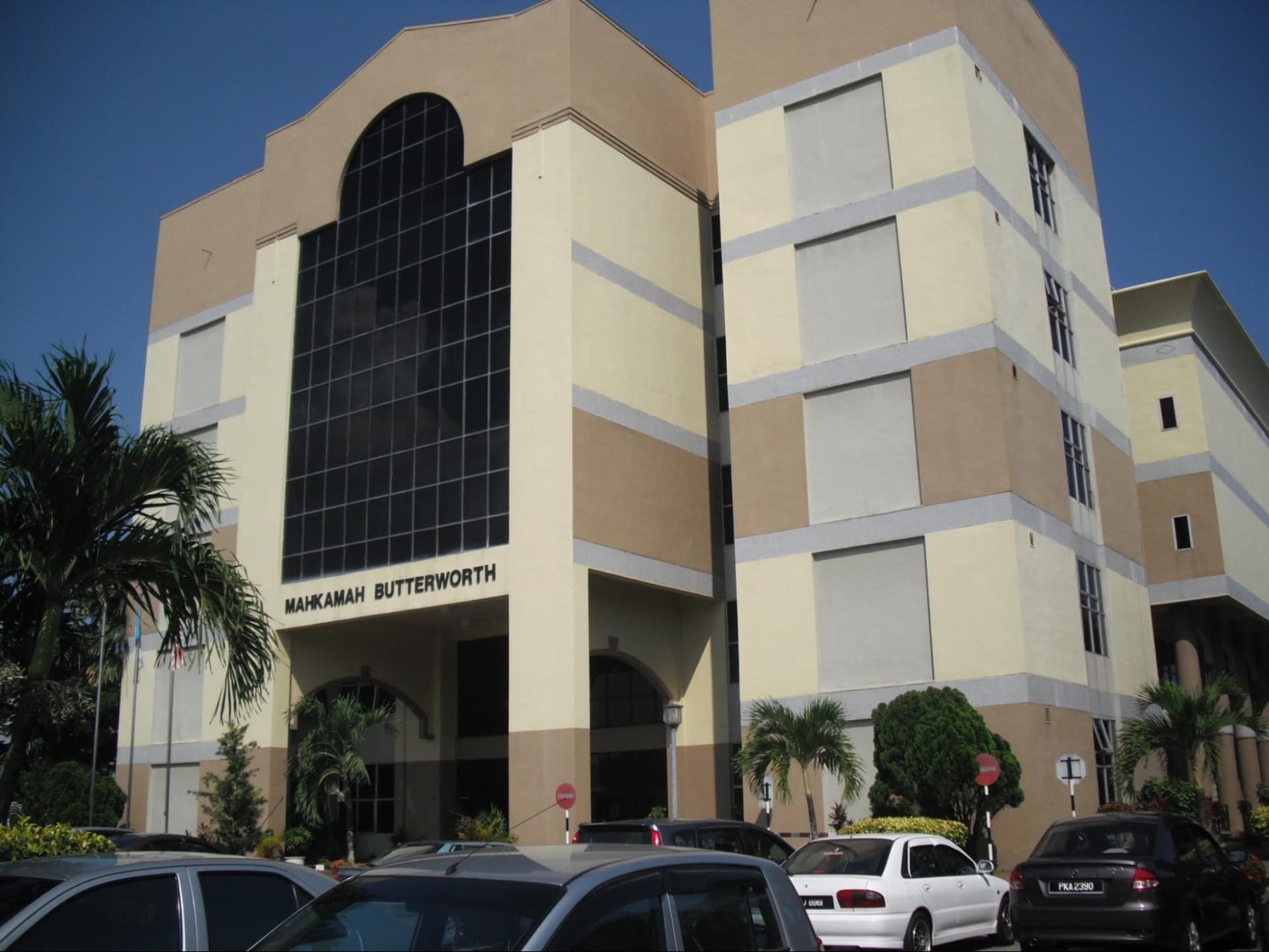
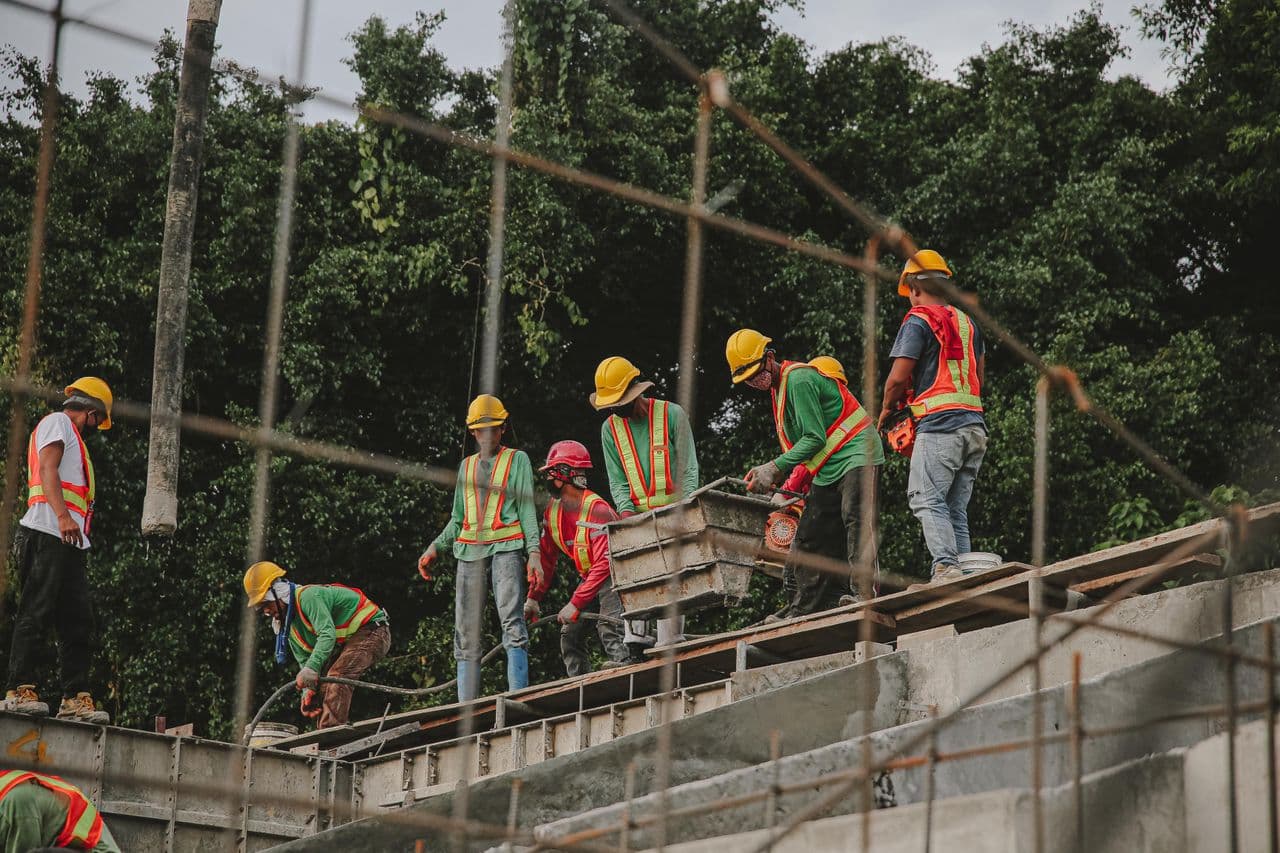
A civil suit heard at the Butterworth Sessions Court made headlines recently after the court ruled that a crane operator cannot claim damages against his employer for a work-related injury, as he had received nearly RM47,000 in temporary disability payments from the Social Security Organisation (PERKESO) for the same accident. In the suit filed by 63-year-old Ng Poh Guan, he sought damages after slipping and falling while climbing down a crane at a construction site in Seberang Perai Selatan on 3 January 2020.
The plaintiff named three defendants in the civil suit: his direct employer, Great Piling Sdn Bhd, alongside two associated site entities, Iconic Construction Sdn Bhd and Iconic Development Sdn Bhd. Ultimately, Sessions Court Judge Norzafirah Ali dismissed the suit against all three defendants and ordered Ng to pay RM5,000 in costs to Great Piling and RM2,500 each to Iconic Construction Sdn Bhd and Iconic Development Sdn Bhd.
So, why was the lawsuit dismissed? Join us as we dissect the court’s decision in depth below.
Why Ng cannot claim damages from his employer for a work-related injury
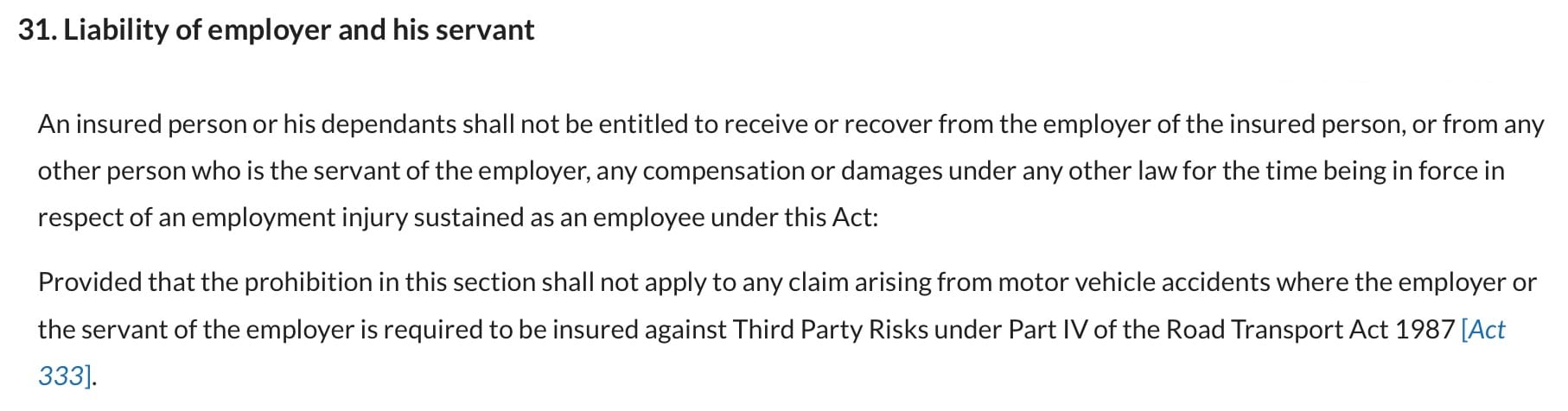
Fundamentally, the plaintiff’s claim against Great Piling Sdn Bhd failed because of Section 31 of the Employees’ Social Security (SOCSO) Act 1969. This provision acts as an explicit statutory shield, stipulating that an insured employee or their dependants shall not be entitled to receive or recover from their employer, or from any fellow employee acting as a servant of the employer, any compensation or damages under any other law in respect of an employment injury sustained under the SOCSO Act.
This statutory mechanism rests on a fundamental policy trade-off built into Malaysian employment law. PERKESO was enacted to establish a no-fault social security scheme, guaranteeing immediate financial support and medical coverage to an injured worker without requiring them to endure lengthy, expensive civil litigation to prove employer fault. In exchange for mandatory, continuous monthly contributions remitted by employers into PERKESO, Parliament constructed a statutory shield to prevent double recovery.
In other words, an employee cannot claim statutory benefits from a fund financed by their employer and subsequently recover additional damages from that same employer at common law for the same mishap.
In Ng’s case, the fact that he had claimed and received RM46,978.66 in temporary disability payments from PERKESO between January 2020 and March 2021 severely undermined his lawsuit. The moment those statutory benefits were accepted, he could not maintain a common law action for damages against Great Piling Sdn Bhd, as the right was extinguished by operation of law.
The plaintiff failed to establish a duty of care and site control against the other two defendants
Unlike direct employers, non-employer third parties such as developers, main contractors, or external occupiers do not enjoy statutory immunity under Section 31 of the SOCSO Act. This is because the law restricts that protection strictly to the direct employer-employee relationship.
Consequently, Ng was legally entitled to file a civil action in tort against Iconic Construction Sdn Bhd and Iconic Development Sdn Bhd. However, his suit against them failed not only because of Section 31 of the SOCSO Act, but also due to Ng’s failure to prove the companies’ negligence under the common law.
The court found that Iconic Construction Sdn Bhd was not managing the site at the time of the accident, as it only took over management and control of the construction site on 18 February 2020, more than a month after Ng’s accident occurred on 3 January 2020. As Iconic Construction Sdn Bhd did not run the site when the injury happened, the company did not owe him a duty of care.
As for Iconic Development Sdn Bhd, the court found that the company exercised no direct operational authority or control over the site, the piling equipment, or the worker when the incident happened. At the time of the fall, the site was under the active control of an entirely separate company that had engaged Great Piling Sdn Bhd to perform specialised piling work.
Because Ng could not prove with evidence that either Iconic Construction Sdn Bhd or Iconic Development Sdn Bhd occupied the site, managed the crane, or contributed directly to the unsafe conditions when he fell, the negligence claims against them collapsed.
The Sessions Court’s decision is consistent with established precedents
In the landmark cases of Tan Peng Loh v Lee Aik Fong & Anor [1982] 1 MLJ 74 and Che Noh Bin Yacob v Seng Hin Rubber (M) Sdn Bhd [1982] 1 MLJ 80, the Federal Court established that if an employee receives compensation for an employment injury under the SOCSO Act, Section 31 bars any other claims for the same injury under written law and common law.
Meanwhile, in the case of Rohaidi bin Ismail v Kaneka (Malaysia) Sdn Bhd [2021], the Court of Appeal ruled that the definition of “employment injury” under the SOCSO Act is broad enough to encompass personal injury caused by an employer's negligence or breach of statutory duty.
In the recent case of Rajendiran A/L Manickam & Anor v Palmamide Sdn Bhd [2020] 9 CLJ 510, the Court of Appeal departed from the earlier Federal Court position and allowed civil actions against direct employers if they are strictly confined to claims for aggravated or exemplary damages arising from alleged gross negligence. However, as Ng’s civil suit sought general damages for ordinary workplace negligence rather than aggravated or exemplary damages for gross negligence, this narrow exception did not apply.
It is also worth noting that Section 31 of the SOCSO Act provides an explicit statutory exception for motor vehicle accidents occurring on duty, which allows civil actions governed by Part IV of the Road Transport Act 1987 even against direct employers. Again, however, this exception does not apply to Ng’s case.
The Butterworth Sessions Court decision highlights the statutory boundary between PERKESO benefits and common law litigation. While claiming PERKESO payouts gives workers immediate no-fault support, it bars subsequent civil claims for general damages against direct employers. The ruling also underscores that suing third parties requires clear evidence of site control and a direct duty of care at the time an accident occurs.

For more legal insights such as this, do follow us on Instagram, TikTok, Facebook, or visit our official website. You can also read our articles on the popular Malaysian news aggregator app Newswav.
About us
Ahmad Danial Iswatt & Luqman is an esteemed law firm that delivers best-in-class legal solutions to individuals, businesses and legal entities in Malaysia and beyond. We offer ease of mind to our wide range of clients by dismantling complex legal challenges with novel solutions through exceptional legal advisory and representation.
Our distinguished partners of diverse backgrounds and expertise have achieved significantly favourable results in all levels of courts in Malaysia, from high-profile civil and criminal litigation proceedings to complex cases in which the outcomes have become binding precedents for the laws of the country. Backed by a growing team of exceptional lawyers and capable support staff, we aspire to be at the forefront of the legal sphere to satisfy our clients’ dynamic demands and ever-increasing complexity.
ADIL Legal (office@adillegal.com) is a content creator under the Newswav Creator programme, where you get to express yourself, be a citizen journalist, and at the same time monetize your content & reach millions of users on Newswav. Log in to creator.newswav.com and become a Newswav Creator now!
The User Content (as defined on Newswav Terms of Use) above including the views expressed and media (pictures, videos, citations etc) were submitted & posted by the author. Newswav is solely an aggregation platform that hosts the User Content. If you have any questions about the content, copyright or other issues of the work, please contact creator@newswav.com.