
Every so often, when my thoughts are tending towards the existential, I think about all the brilliant books that exist in the world – and how I will only ever get time to read a small fraction of them. It’s a notion that you could either view as a bit morbid and gloomy, or use as a shot of motivation to throw down your phone and get serious about broadening your reading horizons.
This year, I’ve been trying hard to choose the latter. I tend to read a lot, both for work and for sheer enjoyment, but I am all too aware that there are certain genres, voices and tropes that I tend to gravitate towards, as if on autopilot.
Do I really want to miss out on a classic that changed the world, or overlook a brilliant piece of translated fiction, because I’ve fallen for yet another “if you like Sally Rooney, you’ll love this!” marketing ploy emblazoned on the front cover of a slight novella about a millennial woman with a lot of feelings? The answer is “no” (however fond of that particular micro-genre I might be).
Algorithmically generated recommendations and social media feeds that adapt to us whenever we tap the “heart” icon or even dwell on a particular post make it ever easier to get trapped in an echo chamber of taste, where we’re only ever exposed to certain types of books.

But reading more widely can enhance your enjoyment of the stuff you already love – perhaps it’ll help you better understand where your favourite author may have picked up inspiration or references, to trace where a particular trope began, or see how others are playing with and re-interpreting your favourite elements of storytelling.
And in a world where it can feel like we’re slowly frying our brains with short-form videos, one dubiously fact-checked reel at a time, where we’re all consuming the same recommendations dished out by influencers, it feels almost radical to look beyond what’s being served up to us digitally and follow your interests in unexpected directions instead.
So how to begin stepping out of your literary comfort zone? Perhaps the most straightforward – and perhaps most rewarding – way you can begin to broaden your reading is to join a book club, ideally one that’s filled with a bunch of people with different tastes.
That way, each month or so, you’ll probably end up tackling at least one book that you wouldn’t have ordinarily picked up – which might start sparking new connections to different genres and styles. If you do a bit of research on Instagram or on ticketing sites like Eventbrite or Skiddle, you’ll probably be able to find clubs that go beyond novels to chat about poetry, short stories or essays too.
Speaking of which, anthologies or short story collections can be a great starting point for seeking out authors you might have otherwise overlooked. Choose a time period, theme or region that you’re interested in, but have never had time to properly explore, then pick out your favourites from this selection – you now have a list of writers to go forth and investigate.
Embarking on some kind of challenge is a sneaky way of almost gamifying the experience, and of reminding you that reading should be fun and expansive
If you’ve been thinking about tackling some classics but are wary of their reputation as lofty, difficult or just downright chunky – God bless those Victorians’ fondness for the triple-decker novel – I’ve found that the best thing you can do is to recruit a friend or three with similar ambitions to go back through the canon.
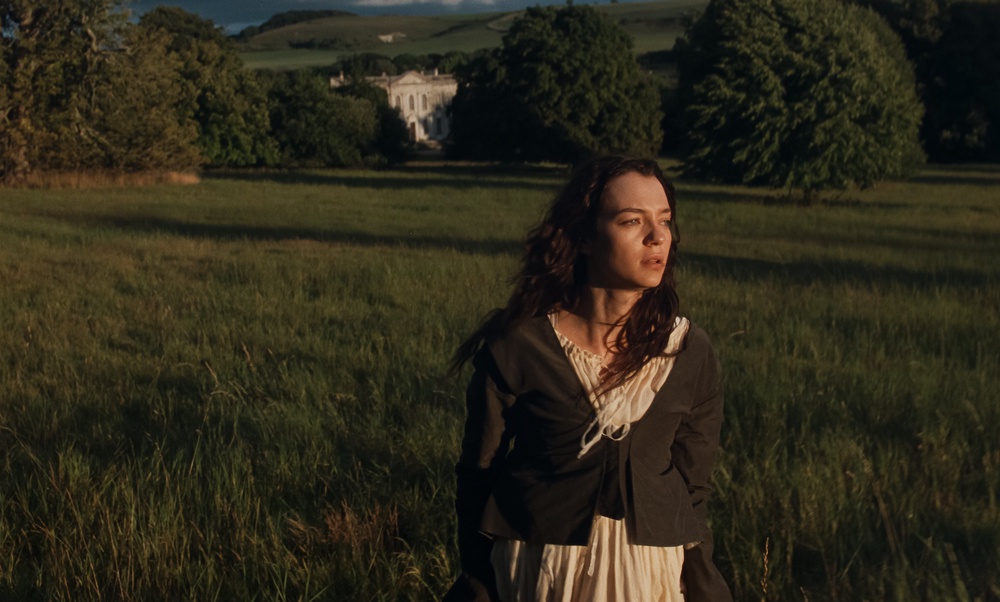
Earlier this year, my book club set up a spin-off group for those of us who wanted to (re)read some 19th- and 20th-century big hitters. We started with Wuthering Heights, timed to coincide with the film adaptation, then tackled two Harlem-set novels, Jazz by Toni Morrison and Go Tell It On The Mountain by James Baldwin, in tandem (pairing up books that might speak to each other across the decades is another interesting way to widen your reading).

Most recently, inspired once again by the movie release, we’ve met up to talk Sense and Sensibility. Written out like this, it sounds quite pretentious (am I a performative reader now?) But our conversations aren’t remotely lofty, and there’s something brilliant about the way an intimidating tome becomes just another great story when you get the chance to talk about it with others who are equally invested. Most of these books, after all, didn’t become classics purely because they were weighty or avant-garde, but because they had something to say that still feels valuable.
Plus, a little dose of social pressure doesn’t hurt when it comes to motivation. Would I be attempting to read James Joyce’s Ulysses in monthly segments if a friend hadn’t set up a read-along? The answer is a flat-out “no”. But the fact that there’s a group of us trying to find our way through this notoriously complex and intriguing text is making it far more fun than when I tried to conquer it as an undergrad.
And that gets me to another potential tactic for breaking down the classics. Task yourself with reading them in the way they were originally published – so if they were serialised in magazines, like so many 19th-century doorstoppers, try approaching them in these weekly or monthly segments (you’ll be able to find the original publication schedules online).
Most of these books didn’t become classics purely because they were weighty, or avant garde, but because they had something to say that still feels valuable
Of course, the term “classic” is a subjective one that tends to prioritise white, Western voices, so consider seeking out writing about ways to dismantle the canon, or to build an alternative version, one that’s more inclusive of a wide range of voices, reflecting different races, genders, classes and experiences.
Embarking on some kind of challenge is a sneaky way of almost gamifying the experience, and of reminding you that reading should be fun and expansive. Consider theming each month’s reads, perhaps by country (you could literally stick a pin in a map to decide), by the language they were originally published in, by format (such as graphic novels) or by going through a past decade, with a book from each year.
If you’re thinking of doubling down on literature in translation, seek out publishers that spotlight these titles, such as Fitzcarraldo, with their instantly recognisable blue and white covers, Foundry Editions, a fascinating curation of titles from the Mediterranean and beyond, and Peirene Press, which offers a subscription service too. And there are plenty of imprints that are devoted to digging out forgotten titles which deserve just as much fanfare today, from Persephone Books to Faber Editions.
I’ve come to realise that the sheer amount of books out there waiting for us to read shouldn’t be an overwhelming thought, but an inspiring one – the best thing we can do is to ditch the algorithms and follow the stories that really spark our interests, our emotions, our obsessions.
Read MoreMore than half of Americans are reading below a 6th grade level, study finds
I’ve seen the content that some kids see – it’s no wonder our children are in trouble
Meet the women breaking their ribs to get a ‘snatched’ waist
The simple and cheap diet changes that can improve your gut health
Kim Kardashian reveals number of nannies she has for her and Kanye West’s four kids
I didn’t give my kids a smartphone – and now the evidence is here to back me up