.png)

SHAH ALAM – Artificial intelligence (AI) is not the biggest threat facing aspiring writers today, self-doubt is.
As AI-generated stories become increasingly common, Universiti Teknologi MARA (UiTM) Faculty of Film, Theatre and Animation (FiTA) dean Associate Professor Ts. Dr Wan Aida Wan Yahaya said many young writers were beginning to question whether human creativity still mattered.
She said this growing lack of confidence posed a greater danger than AI itself.
"When we start saying AI generates better stories, that's when we've already given in.
"Why are we doubting ourselves? Why are we doubting our own ability to tell stories?" she said.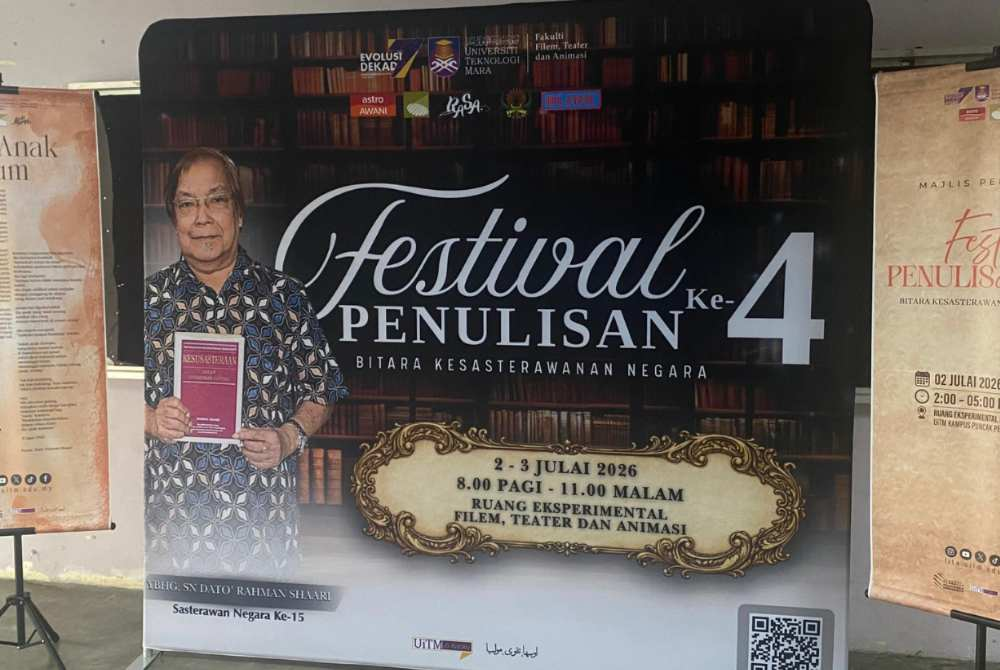
Wan Aida said AI should be viewed as a tool rather than a replacement for writers, stressing that technology could only produce content based on what humans feed into it.
"AI feeds on what we give it. It doesn't create from lived experience or emotion.
"AI-generated text does not have soul. It may be technically correct, but storytelling is about humanity," she said.
Wan Aida said in an increasingly digital world, young writers must focus on strengthening their identity instead of chasing technology.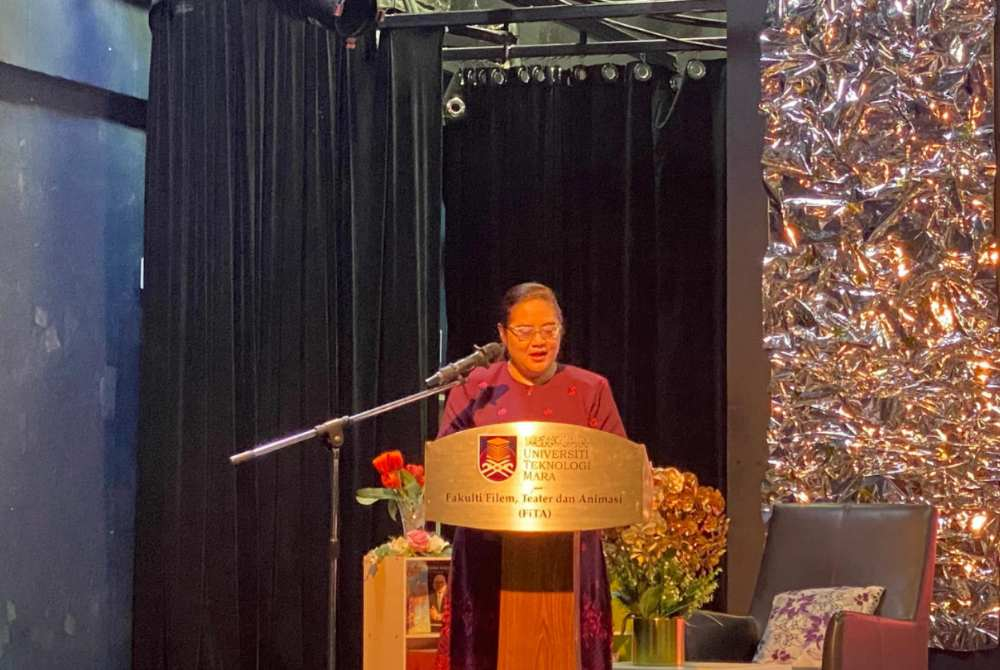
She said if their foundation was not strong, people would simply follow whatever influence came their way.
When people understood their own culture and values, no matter how advanced AI became, their voices would remain uniquely their own, she added.
She said this after officiating the "Festival Penulisan Ke-4: Bitara Kesasterawanan Negara" organised by Persatuan Retorik Aksara (Rasa), UiTM FiTA and Dewan Bahasa dan Pustaka at UiTM Puncak Perdana.
Held over two days, the festival celebrates creative writing and Malaysian literature through script readings, literary exhibitions, panel discussions, poetry performances and knowledge-sharing sessions involving students, lecturers, industry practitioners and literary figures.
In her opening address, Wan Aida described the festival as more than an academic programme, saying it provides students with practical experience beyond the classroom.
She said activities such as script readings, exhibitions, performances and sharing sessions allowed students to develop communication, leadership and teamwork skills while building confidence in presenting their creative work.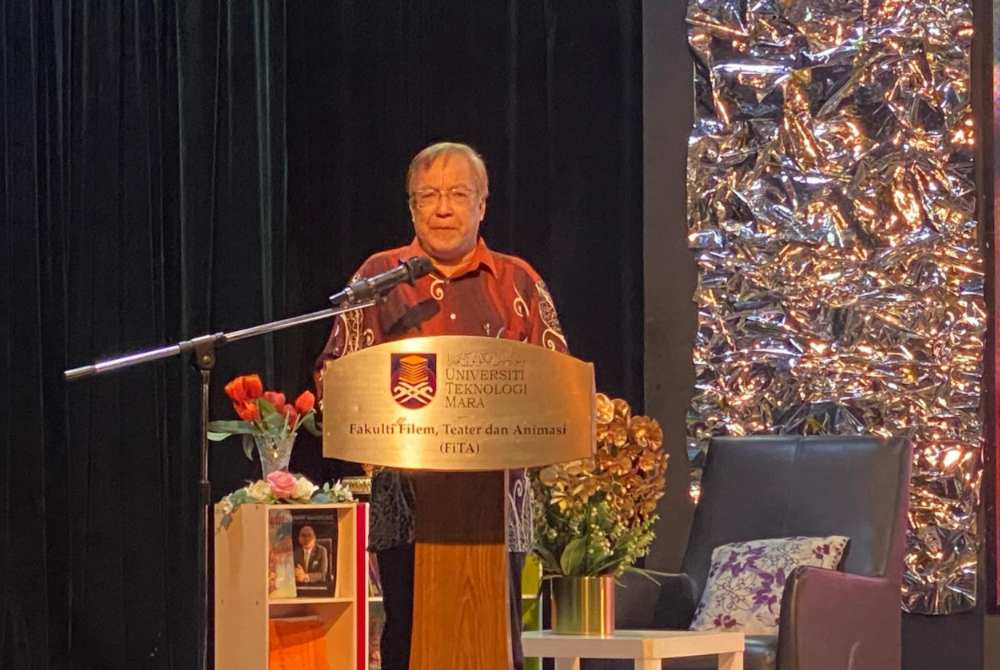
Wan Aida also said honouring National Laureate Datuk Rahman Shaari was an important reminder that Malaysia's literary heritage must continue to inspire future generations of writers.
She later stressed that festivals like this were becoming increasingly important as fewer young people were exposed to Malaysian literary figures.
"If we don't continue organising programmes that introduce young people to literature and our National Laureates, there's a real risk that future generations simply won't know them.
"This is how we preserve our literary heritage," she said.
During the festival's keynote address, Rahman reflected on his lifelong passion for literature and poetry, describing his ability to memorise hundreds of poems not as a special gift, but as something that made him different.
"Everyone has their own uniqueness. When we see someone excel in literature or the arts, perhaps it isn't because they're extraordinary, but because each person has their own strengths," he said.
The festival also gave students an opportunity to connect with publishers, media organisations and creative industry professionals while showcasing their own work.
First-year Creative Writing student Shahrul Nazim Abdul Shahid said the programme opened doors for aspiring writers by allowing them to network directly with industry players.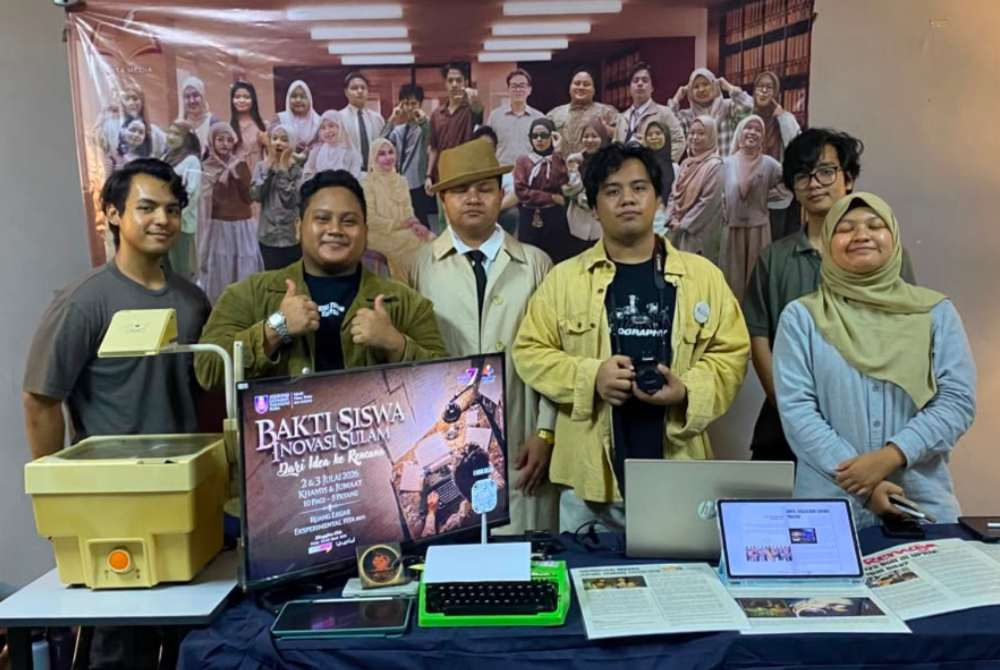
"We have publishers, media organisations and experienced writers here. Students get to ask questions, build connections and understand where they can send their work in the future.
"Programmes like these are important because creative writing deserves more exposure, not less," he said.
As technology continues reshaping the creative landscape, Wan Aida believes the answer is not resisting AI, but ensuring young writers never lose sight of who they are.
"Don't forget your identity and your culture.
"Once you know who you are, whatever you write will always carry your own voice," she said.