
Your morning coffee may be part of your routine, but what you put in your cup could matter more than you realize. Research has linked regular coffee consumption with a lower risk of several chronic conditions, including Type 2 diabetes, certain liver diseases, and Parkinson’s disease. Coffee also contains plant compounds that may help protect cells from oxidative stress and inflammation, both of which are involved in the aging process. However, not every coffee drink offers the same nutritional benefits. A plain brewed coffee and a heavily sweetened specialty drink can have very different amounts of sugar, calories, and saturated fat. The goal is not to avoid coffee as you get older, but to understand which habits may support long-term health.
Black Coffee Contains Compounds That May Support Healthy Aging
Plain black coffee provides more than caffeine. It contains polyphenols, including chlorogenic acid, that have antioxidant properties and may influence inflammation and how the body processes blood sugar. Observational studies have also associated regular coffee consumption with lower risks of certain chronic diseases and premature death. Researchers believe coffee’s combination of bioactive compounds may contribute to these associations, although the evidence does not prove that drinking coffee directly prevents disease or extends a person’s life. Black coffee also contains very few calories when nothing is added. For people who enjoy the taste, it can be a simple way to get coffee’s naturally occurring compounds without adding much sugar or saturated fat.
Sugary Coffee Drinks Can Add Up Over Time
Flavored lattes, blended coffee drinks, and beverages topped with sweet cream can contain substantial amounts of added sugar. Drinking these beverages frequently can make it easier to consume excess calories, potentially contributing to weight gain and increasing the risk of metabolic problems over time. High-sugar diets have also been studied for their possible role in glycation, a process in which sugars react with proteins and fats in the body. Glycation is one of several processes associated with changes in aging skin, but it would be inaccurate to claim that one sweet coffee directly causes wrinkles. The bigger concern is a consistent dietary pattern that includes large amounts of added sugar. Try asking for fewer syrup pumps, skipping sweetened toppings, or choosing a smaller size to reduce the sugar in your regular order.
Too Much Caffeine Can Interfere With Sleep and Recovery
Caffeine can improve alertness and concentration, but more is not necessarily better. Consuming too much may cause anxiety, restlessness, a racing heartbeat, or difficulty sleeping. Sleep matters for healthy aging because the body relies on regular, restorative sleep to support memory, mood, and normal physical functioning. If coffee keeps you awake or leaves you feeling exhausted the next day, the habit may be working against your overall well-being. The U.S. Food and Drug Administration says up to 400 milligrams of caffeine per day is not generally associated with negative effects for most adults, although individual sensitivity varies. Consider reducing your intake or switching to decaf if you notice side effects, and avoid late-day coffee if it disrupts your sleep.
Unfiltered Coffee May Affect Cholesterol Levels
Not all brewing methods produce the same drink. French press and Turkish coffee, along with other unfiltered methods, allow more natural compounds called cafestol and kahweol to remain in the cup. Cafestol can raise LDL, often called bad cholesterol, particularly when unfiltered coffee is consumed regularly in larger amounts. Paper-filtered drip coffee removes most of these compounds while retaining many of coffee’s other beneficial substances. This does not mean French press coffee is automatically unhealthy, but the brewing method may matter for people managing high cholesterol or cardiovascular risk. If cholesterol is a concern, paper-filtered coffee is a practical alternative to consider.
Coffee With Less Added Sugar Can Be a Better Everyday Choice
You do not have to drink coffee completely black to make a more balanced choice. A small amount of milk, an unsweetened milk alternative, or a modest amount of sugar can fit into an overall healthy diet. The difference often comes from how quickly additions accumulate when a drink includes flavored syrups, sweetened creamers, whipped cream, and extra toppings. If you order coffee from a café, check the nutrition information for your usual drink and compare it with a simpler version. Reducing one or two additions may lower the sugar and calories without dramatically changing the flavor. The best routine is one you enjoy enough to maintain without relying on excessive sweetness every day.
Decaf Coffee Can Still Offer Benefits
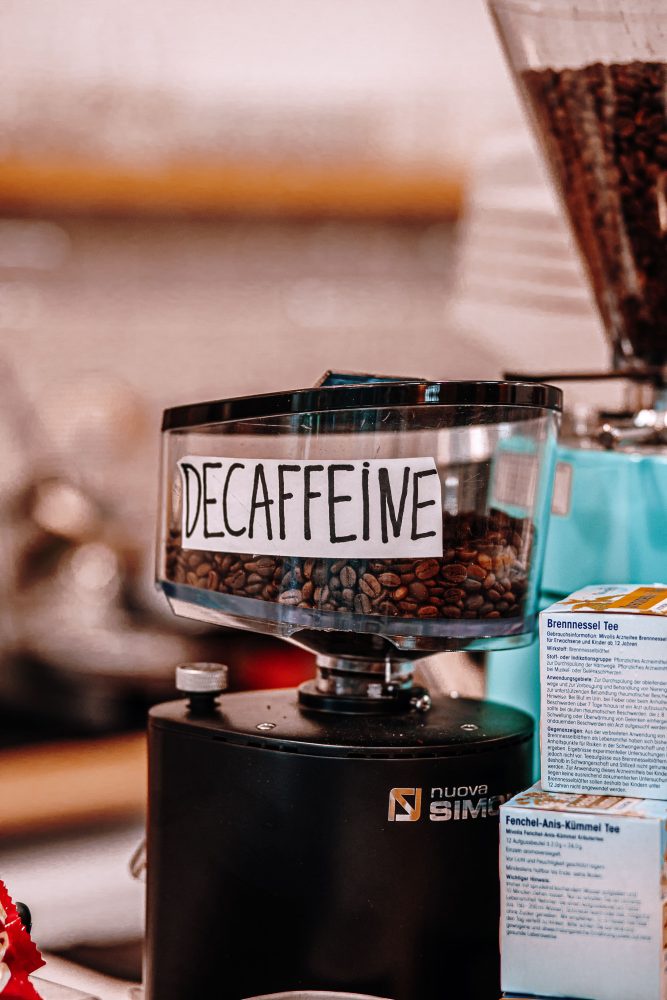
People who are sensitive to caffeine sometimes assume they must give up coffee entirely to make a healthier choice. However, decaffeinated coffee retains many of the plant compounds found in regular coffee, and research has linked both caffeinated and decaffeinated coffee with some of the same health benefits. That suggests caffeine is not responsible for every association researchers have observed. Decaf can be a useful option for people who experience jitters, anxiety, sleep disruption, or other unwanted effects from regular coffee. It also allows people to enjoy an afternoon cup without consuming as much caffeine. You do not need to drink caffeinated coffee, or increase how much you drink, to support healthy aging.
How Much Coffee You Drink Matters
For most healthy adults, moderate coffee consumption can fit comfortably into a balanced lifestyle. The FDA’s general guidance is that up to 400 milligrams of caffeine daily is not usually associated with negative effects for most adults, but the amount in a cup varies widely depending on the serving size and preparation. A large coffee or several espresso-based drinks can contribute more caffeine than expected, especially when combined with tea, energy drinks, or other caffeinated products. Pregnant people are generally advised to limit caffeine to less than 200 milligrams daily, and some medications or health conditions may require additional caution. Pay attention to your sleep, heart rate, anxiety levels, and how you feel after drinking coffee. More coffee is not a proven shortcut to living longer, so there is no reason to increase your intake just to chase potential benefits.
Coffee Works Best Alongside Other Healthy Habits
Coffee alone cannot prevent the effects of aging or compensate for an unhealthy overall routine. A balanced diet, regular physical activity, adequate sleep, and avoiding smoking have well-established roles in supporting long-term health. Coffee can fit into that picture, particularly when it is consumed in a way that suits your body and does not interfere with rest. People who enjoy sweet specialty drinks can still have them occasionally without treating every cup as a health risk. The aim is to make the everyday choice work in your favor, rather than focusing on a single ingredient as a cure-all. Think of coffee as one small part of your daily habits, not a replacement for the basics that keep you healthy.
A Smarter Coffee Routine Starts With Small Changes
Your coffee habit does not automatically age you faster. Plain and decaffeinated coffee contains beneficial plant compounds, and regular consumption has been associated with several positive health outcomes, although researchers cannot guarantee those benefits for every individual. Frequent sugary specialty drinks, excessive caffeine, and brewing methods that raise LDL cholesterol may be worth reconsidering depending on your health needs. Start by checking how much caffeine you consume, reducing added sugar where practical, and choosing a brewing method that fits your goals. Small adjustments can help you keep the coffee you enjoy while making your overall routine more supportive of healthy aging.
What To Read Next
Pour Creamer Until the Coffee Changes Color? You May Be Getting More Sugar Than You Think
Why Cheese and Coffee Are Ending Up Behind Locked Glass
Coffee Prices UpF Nearly 20% — 5 Ways to Keep Your Cup Cheap
Lower-Cost Coffee Options Shoppers Are Switching To
6 Morning Coffee Breakfast Deals That You Might Be Missing
The post Your Coffee Habit May Affect How You Age — But the Type You Drink Matters appeared first on Grocery Coupon Guide.