_1652931074_9592.jpg)
Used EV market Malaysia 2026, selling nearly new EV Malaysia, EV price wars, EV resale value Malaysia, EV battery degradation worry, CBU vs CKD EV transition
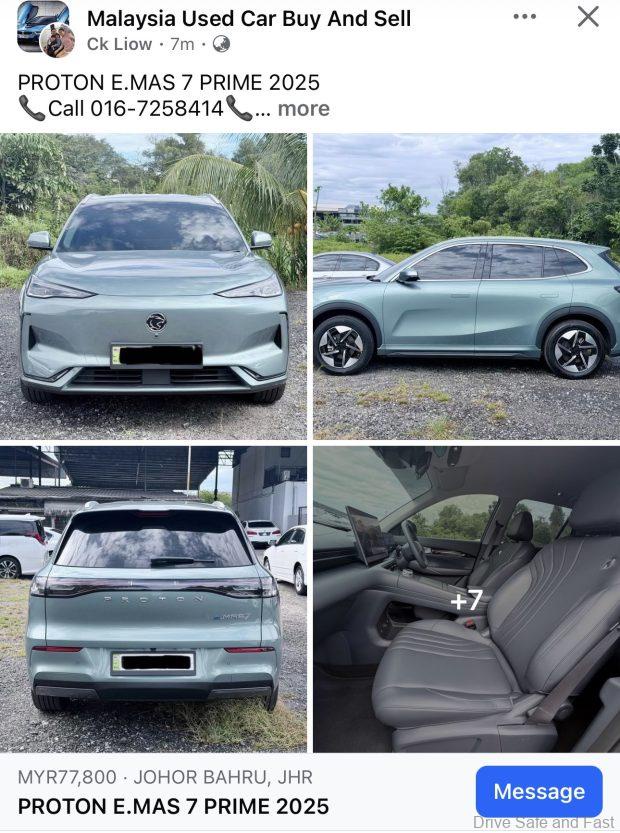
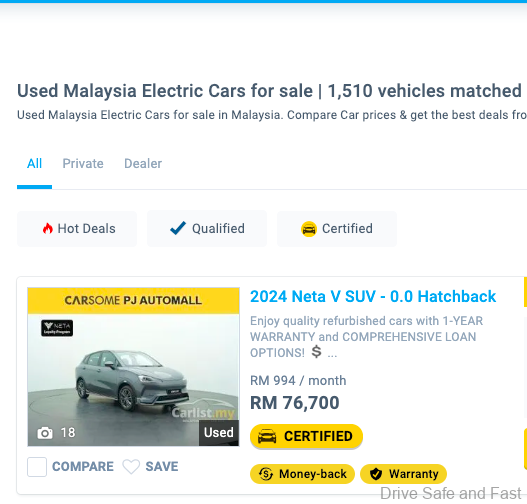
In the past few months we have seen more early electric vehicle (EV) adopters in Malaysia are listing their 1-to-3-year-old electric vehicles on used car platforms.
While new electric vehicle (EV) sales in Malaysia have surged in 2026, a parallel trend has emerged in the secondary automotive sector where there is a rising number of 1-to-3-year-old EVs surfacing on our used car online platforms.
Many of these models have under 30,000 km on the odometer and some as low as 10,000 km. Early adopters who purchased CBU (Completely Built-Up) or early-generation electric cars between 2023 and 2025 are choosing to sell or trade in early.
Here are the five primary factors driving Malaysians to list their nearly new electric cars on the used market.
1. Relentless New EV Price Wars and Feature Upgrades
The rapid pace of EV innovation mirrors the consumer electronics cycle. In 2025 and 2026, aggressive pricing by Chinese automakers coupled with localized CKD (Completely Knocked-Down) assembly significantly lowered the cost of new models being launched.
Facelifts and new platforms with faster 800V charging, longer battery range (WLTP >500 km) and updated chipsets are launching within 12 to 18 months of previous releases and at lower selling prices.
When manufacturers lower the sticker price on new models, owners of previous versions face immediate paper depreciation. Many list their vehicles early to recoup value before the next NEW feature cycle or a price rebate announced. (see the RM50k discount on a Denza MPV below)

2. Friction with Public Charging and Lack of Home AC Charging Access
While highway rest areas and urban shopping malls have seen charging infrastructure expand, daily charging logistics remain a hurdle for certain living situations.
Strata Property Restrictions: Condo and apartment residents who face delays in Joint Management Body (JMB) approvals for wallbox installations rely entirely on public networks.
DC Charging Costs: Public fast-charging pricing can erode operational savings compared to home-charging tariffs (TNB Time-of-Use rates). Owners unable to charge overnight at home often find long-term reliance on public chargers inconvenient.
3. Anticipating the End of Manufacturer Warranties
An EV’s secondary market value is tied closely to its high-voltage battery state of health (SOH) and warranty coverage.
Because out-of-warranty battery replacements can cost a substantial percentage of the vehicle’s remaining value, sellers choose to exit the vehicle while 4 to 6 years of the original 8-year factory battery warranty remain. This allows them to offer prospective buyers transferred coverage peace of mind.
4. Re-evaluating Driving Patterns Post-Purchase
First-time EV buyers often purchase based on city commute estimates, only to encounter operational friction during out-of-state travel.
Peak holiday travel (e.g., Hari Raya, Chinese New Year and long weekend breaks) along major arteries like the North-South Expressway (PLUS) can lead to queues at high-demand charger locations.
Drivers who make frequent long-distance regional trips often discover that high-speed cruising drains range faster than urban driving, prompting a return to ICE or Plug-in Hybrid (PHEV) powertrains.
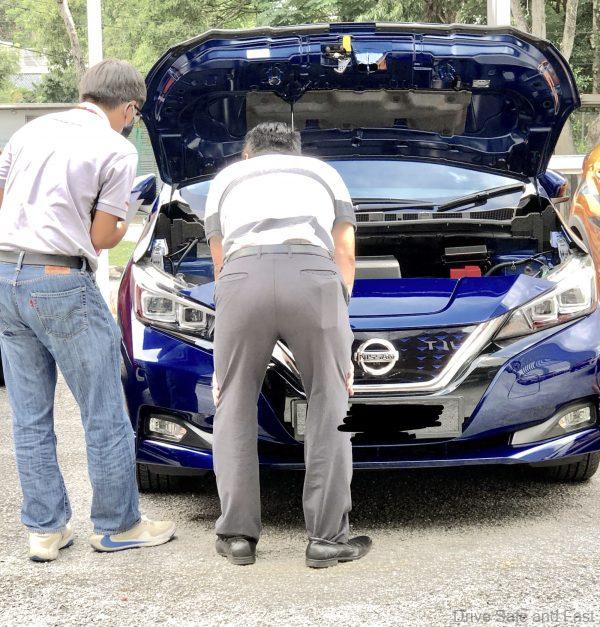
5. Exiting Ahead of Steeper Used-Market Depreciation
As traditional used car dealers adjust to evaluating EV battery health and software integration, trade-in valuations can vary significantly.
Many traditional used-car dealers apply conservative trade-in offers on 3-to-4-year-old EVs to protect against rapid technological obsolescence.
Owners tracking used-vehicle trends choose to sell early (at the 12-to-24-month mark) to lock in private-party consignment sales while market demand for lightly used, under-warranty EVs remains active.
Summary of the Malaysian used EV market
The uptick in nearly new EV listings does not reflect a failure of electric vehicle technology, but rather an evolving, fast-moving market. Rapid innovation cycles, price adjustments on new models, and home-charging dependencies are encouraging early adopters to refresh their vehicles sooner. Concurrently, this trend provides second-hand car buyers access to modern EV technology at lower price points.
The post 5 Reasons Why Malaysians Are Selling Their Nearly New EVs in the Used Car Market first appeared on DSF.my.