Putting groceries away after a shopping trip seems simple enough. Most people have a routine, placing milk in the door, eggs wherever there is room, and produce in the crisper drawers. However, where certain foods are stored can affect how long they stay fresh and whether they remain safe to eat. Refrigerator doors experience more temperature changes than interior shelves, and raw meat should be kept away from ready-to-eat foods. Some storage mistakes can also cause groceries to spoil sooner, forcing households to replace food they could have used. Here are six foods worth moving to a better spot in your refrigerator.
1. Eggs Belong on an Interior Shelf, Not the Door
The built-in egg holder in a refrigerator door may seem like the obvious place to store eggs. However, the door experiences temperature fluctuations every time someone opens and closes the refrigerator. Those changes can make it harder to maintain consistent cold storage. The FDA recommends keeping eggs in their original carton inside the refrigerator rather than placing them in the door. The carton also helps protect the shells and keeps the expiration and handling information available.
An interior shelf is a better location because it generally maintains a more consistent temperature. Keep the eggs in their original packaging and avoid transferring them into an open holder simply for convenience. The middle or lower interior shelves can work, depending on the refrigerator’s design. This small adjustment helps protect a grocery staple that households may otherwise have to replace sooner than expected. It also keeps eggs away from the temperature changes associated with door storage.
2. Milk Should Not Be Stored in the Refrigerator Door
Milk is another common item that many households automatically place in the refrigerator door. It fits neatly into the tall compartments, making it easy to grab when preparing breakfast or coffee. However, milk is perishable and benefits from consistent cold temperatures. The door is generally warmer than the main refrigerator compartment because it is exposed to room-temperature air whenever opened. Storing milk there can make it harder to keep the product consistently cold.
A better option is to place milk toward the back of an interior shelf. This area is usually less affected by temperature changes than the door compartments. Keep the container closed and return it to the refrigerator promptly after pouring. If the refrigerator is crowded, rearranging beverages and condiments may create enough room for milk in a more suitable location. This simple change can help households protect an everyday grocery purchase.
3. Raw Chicken and Meat Should Go on the Lowest Shelf
Placing raw chicken, beef, or seafood on an upper refrigerator shelf can create a serious food safety problem. Packaging can leak, allowing raw juices to drip onto foods stored below. If those juices reach fresh vegetables, leftovers, or other ready-to-eat products, they can spread harmful bacteria. Raw poultry is particularly important to handle carefully because it must be cooked thoroughly before eating. Keeping it separate from foods that will not be cooked helps reduce the risk of cross-contamination.
Store raw meat and poultry on the lowest shelf, preferably inside a sealed container or on a tray that can catch leaks. This placement helps prevent juices from reaching other groceries. If you have several types of raw meat, keep them packaged and separated so they don’t touch other foods. Never place raw meat above uncovered leftovers or produce that will be eaten without cooking. A little organization can help prevent a refrigerator spill from becoming a much bigger problem.
4. Leftovers Should Be Stored Above Raw Meat
Leftovers are often placed wherever there is an open space in the refrigerator. That might mean putting a container on a low shelf beneath raw chicken or next to an improperly sealed package of meat. This creates an avoidable risk if raw juices leak or drip onto the food. Since leftovers are usually reheated or eaten without additional cooking, keeping them protected from raw ingredients is important. Store them in covered containers on an interior shelf above raw meat and poultry.
Large pots and deep containers can also make leftover storage less effective. Food cools more slowly in large quantities, so dividing it into smaller, shallow containers is better. Refrigerate perishable leftovers within two hours and keep the refrigerator at 40°F or below. Use most cooked leftovers within three to four days or freeze them for later. Labeling containers with the date makes it easier to remember when food needs to be eaten.
5. Leafy Greens Need the Right Crisper Drawer
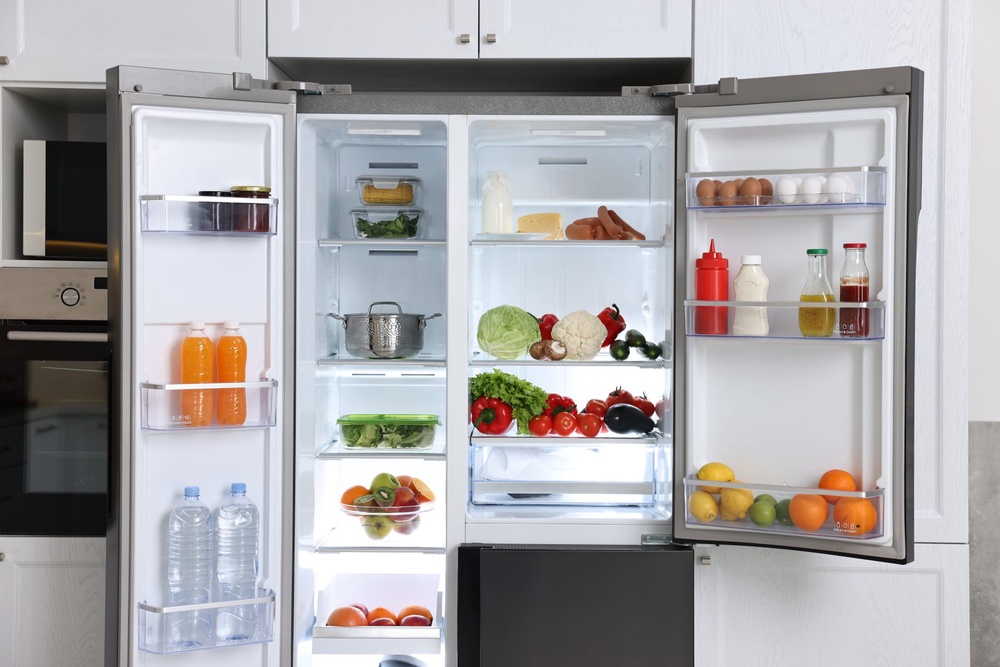
Lettuce, spinach, kale, and other leafy greens often get pushed onto refrigerator shelves wherever they fit. However, the crisper drawers are designed to help manage humidity, which can affect how long produce stays fresh. Many leafy vegetables benefit from higher-humidity storage because it helps reduce moisture loss. When greens are stored in an area that is too dry, they can wilt faster and become less appealing. That can lead to throwing away produce that was purchased only a few days earlier.
If your refrigerator has adjustable humidity controls, use the higher-humidity setting for leafy vegetables. Keep greens away from produce that releases significant amounts of ethylene gas, which can speed up deterioration in sensitive vegetables. Avoid packing the drawer so tightly that air cannot circulate. It is also important to refrigerate pre-cut or packaged greens according to their labels. These simple habits can help protect fresh produce and reduce unnecessary grocery waste.
6. Fresh Berries Should Not Be Left in Warm Door Compartments
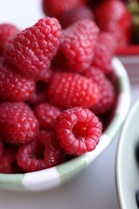
Strawberries, blueberries, raspberries, and blackberries are delicate foods that can lose quality quickly. Leaving them in the refrigerator door exposes them to temperature changes that may shorten their useful life. They are also vulnerable to excess moisture, which can encourage mold growth. Although berries may arrive in plastic containers that look convenient for storage, they still need to be kept cold. The best location is generally an interior refrigerator shelf or an appropriate produce drawer.
Keep berries refrigerated and avoid washing them until you are ready to eat them, unless the package provides different instructions. Extra moisture can encourage spoilage, especially when berries are stored for several days. Check the container for damaged or moldy fruit and remove affected berries promptly. Avoid stacking heavy groceries on top of delicate packages. These steps can help preserve berries long enough to enjoy them rather than replacing them after they spoil.
A Better Refrigerator Setup Can Help Reduce Food Waste
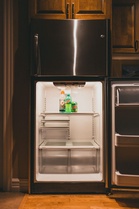
Reorganizing a refrigerator does not require buying new containers or replacing appliances. Start by moving eggs and milk out of the door, keeping raw meat on the lowest shelf, and giving leftovers a protected space above uncooked foods. Use crisper drawers for produce and pay attention to their humidity settings when available. Leave enough room for cold air to circulate instead of packing groceries tightly into every available space. Most importantly, keep the refrigerator temperature at 40°F or below and check it with an appliance thermometer.
These changes can help households get more use out of the groceries they already purchase. Food that stays properly chilled and protected from cross-contamination is less likely to become an avoidable safety concern. Better organization also makes it easier to see what is available before buying more. That can prevent duplicate purchases and reduce the amount of food that gets forgotten. A few adjustments to where groceries are stored may make a noticeable difference in both food safety and household spending.
The post 6 Foods You May Be Storing in the Wrong Part of Your Refrigerator appeared first on Grocery Coupon Guide.