A partnership between BREGO Life Sciences and Sunway Medical Centre Penang has identified 81 people for further bone health assessment since an AI-assisted risk screening tool was added to the hospital’s routine health screening process in April.
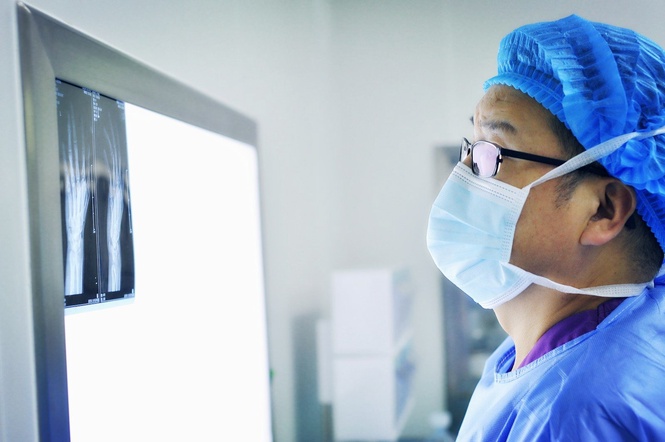
The hospital has screened 2,954 people aged 21 and above through routine chest X-rays. Following clinical review, 81 were referred for formal dual-energy X-ray absorptiometry (DEXA) scans, which remain the standard test for diagnosing osteoporosis.
The patients had attended the hospital for general health screening, rather than because they suspected a bone-related condition.
The initiative uses VeriOsteo OP, an AI-assisted bone mineral density risk assessment software developed by Acer Medical. The software analyses routine chest X-rays to provide clinicians with an additional risk indicator.
It does not diagnose osteoporosis or replace DEXA scans. Instead, clinicians consider the software’s results alongside a patient’s medical history, medication use and other risk factors before deciding whether a follow-up assessment is appropriate.
The partnership was launched in response to a reported lack of awareness about when bone health checks should begin. A Bone Health Alliance Malaysia survey of 807 respondents found that 82% did not know when they should start assessing their bone health.
Osteoporosis can progress without pain or noticeable symptoms until a fracture occurs. This means people may not seek assessment while they still feel healthy.
“We believe one of the biggest challenges in preventive healthcare is not only whether effective assessment tools exist, but whether people recognise the need to use them early enough,” said Dr Danny Wong, founder of BREGO Life Sciences.
“Instead of waiting for individuals to seek a separate assessment, we are supporting healthcare providers with technology that can help bring previously unnoticed risks to light and guide patients towards the appropriate next step.”
Dr Pradheeksha G.S., senior manager of clinical services and health screening clinician at Sunway Medical Centre Penang, said the tool was intended to strengthen, rather than replace, the hospital’s existing care pathway.
“VeriOsteo OP allows us to make additional use of routine chest X-rays by providing a risk signal for clinical consideration,” she said.
The treating clinician would then determine whether a DEXA scan was needed, ensuring referrals remained targeted and clinician-led, she added.
The approach may be particularly useful for people aged 50 and above, postmenopausal women, those receiving long-term corticosteroid treatment and individuals with a significant family history of osteoporosis. However, a higher-risk result from the software is only a prompt for further assessment and is not a diagnosis.
Dr Low Chung Min, consultant geriatrician and physician at Sunway Medical Centre Penang, said early identification could help reduce the impact of fractures among older adults.
“Osteoporosis is often only identified after a fall or fracture because patients can feel perfectly well while bone loss is progressing,” he said.
Earlier assessment could allow doctors to consider measures such as falls prevention, medication reviews, nutritional support, calcium and vitamin D supplementation, exercise and other interventions aimed at preserving mobility and independence.
The partnership forms part of BREGO Life Sciences’ wider BREGO Cares preventive-health initiative, which involves primary care clinics across Malaysia.
The company and the hospital said they hoped the programme would show how AI-assisted risk assessment could complement established diagnostic methods and encourage earlier action on bone health.
The post AI-Assisted Screening Identifies Previously Undetected Bone Health Risks in Penang first appeared on PP Health Malaysia.