Arm is building its first in-house chip, the AGI CPU, on Taiwan Semiconductor Manufacturing Co.'s (TSMC) 3-nanometer process, and it has already set up its operations and supply chain to support two more generations, AGI CPU 2 and AGI CPU 3, a senior Arm executive told Storm Media.
Eric Hayes, Arm's executive vice president of operations, said in an interview that the move from licensing designs to delivering physical chips has forced the British company to rethink how it runs, and that Taiwan's chipmaking ecosystem will remain central as the business grows.
For more than three decades, Arm has supplied the basic circuit building blocks that chip designers license and assemble into their own processors, which foundries such as TSMC then manufacture. As a result, most smartphone CPUs, whether from Qualcomm, Samsung, or MediaTek, are built on Arm's architecture.
Arm Added About 2,000 Staff In A Single Year
Designing a CPU and delivering one generation after another to customers on schedule are two different tests. Selling physical silicon makes manufacturing, quality, inventory, supply chain, and final delivery part of Arm's job for the first time.
"The biggest change is that we have to think end to end, from physical design implementation, manufacturing management, supply chain, quality management, and inventory, all the way to how we deliver products into our partners' hands," Hayes said.
He called the shift a natural direction for the company. "Arm has more than 30 years of semiconductor expertise and strong, established relationships across the industry supply chain," he said. Those resources still had to be reorganized to support making and shipping complete products.
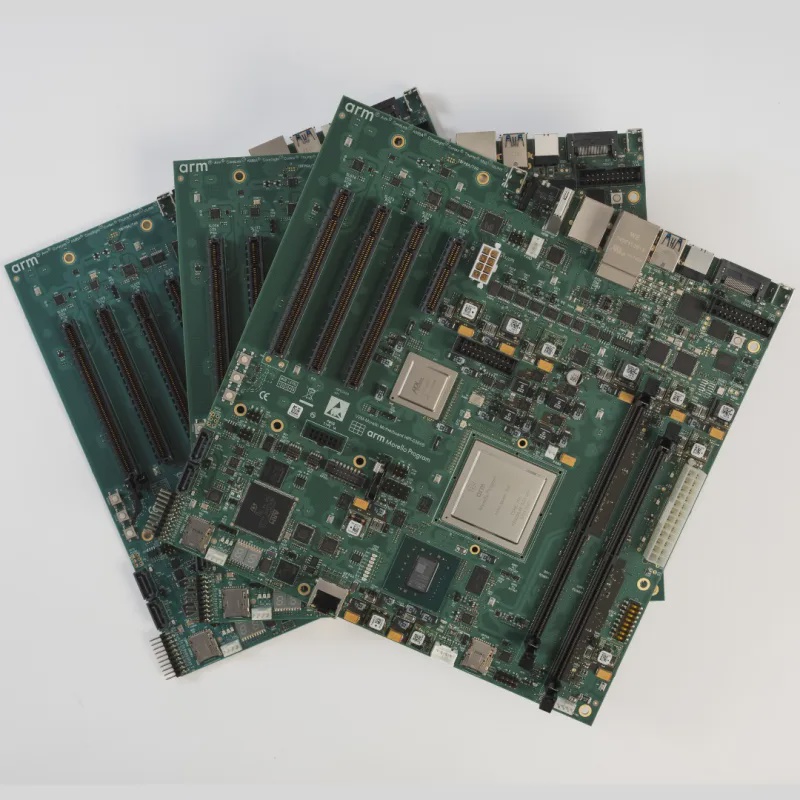
The biggest organizational change, Hayes said, was bringing together people with the right skills, adding expertise where needed, and getting engineering, product, operations, sales, and finance teams to work more closely together. Arm added about 2,000 employees over the past year, in areas including engineering and manufacturing operations.
Quality Now Covers Chips That Customers Send Back
Quality has always been at the core of Arm's culture, Hayes said, but the responsibility now extends to the chips themselves and the processes used to make them. That covers qualifying and auditing suppliers, identifying potential failure modes, analyzing defects in physical products, and handling chips that customers return.
Arm's quality team uses methods such as failure mode and effects analysis (FMEA) to spot and reduce risks before they become real problems, he said. The company has also strengthened its failure analysis and returns handling for physical products, so it can deal with issues that surface after chips have shipped.
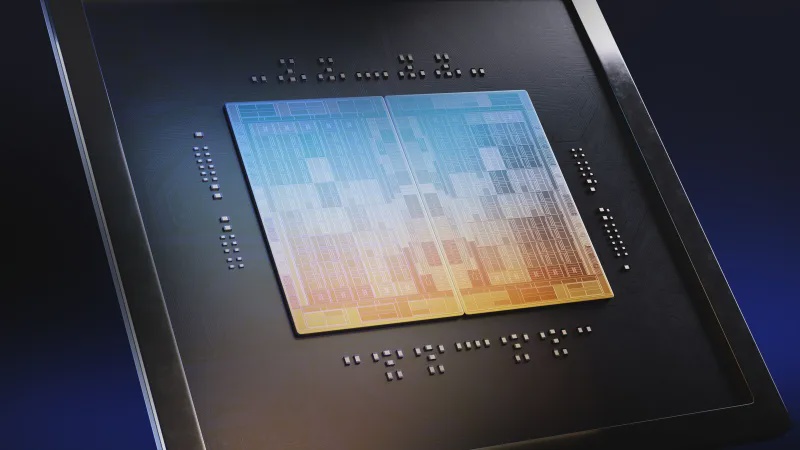
Quality is only one part of reliable supply. As the business grows, Hayes said, Arm has to read customer demand and shipment growth early, lock in capacity before demand rises, and make sure manufacturing and supply chain partners can keep pace with several future product generations.
"So the goal is not just to repeat the experience of a first successful shipment, but to build a systematic process that keeps improving," he said.
TSMC's 3nm Process Leads Arm's Manufacturing Plan
Arm has expanded its supply chain management to cover wafers, packaging, substrates, assembly, and testing, Hayes said. Many of those suppliers were already long-term partners, and the relationships have deepened as Arm's chip business has grown.
One notable change is that supply chain partners now deal directly with Arm's customers. That gives customers more confidence in Arm's ability to supply at scale, Hayes said, and opens new business channels for the manufacturers.
"My team works hard every day to keep expanding supply chain capacity," he said. The harder part of operations, he added, is planning far enough ahead that new capacity comes online in time to meet customers' growing demand.

For wafer production, Arm chose TSMC's 3-nanometer process. Hayes said TSMC is seen across the industry as the leader in the advanced process technology that complex, high-end CPUs require. The two companies have worked together successfully for decades, and Arm began talking with TSMC, including about how to secure stable supply, from the very start of drawing up its chip business strategy.
To make the supply chain more resilient, Hayes said, Arm is focused on supporting growth and on flexibility across each manufacturing step. Arm remains open to broad cooperation in substrates, packaging, assembly and testing, and other key stages, and it is just as important to plan and secure enough capacity early in response to customer demand.
Arm's engineers keep evaluating different technology platforms, and packaging technology for advanced chips is still innovating, he said. Arm weighs price, performance, and supply when it considers new technologies. Hayes did not confirm whether Arm will use any other foundry, or which process its next-generation CPUs will use.
Hayes Says Taiwan Will Stay Central For Future Generations
Arm has published a multigenerational product roadmap, and the operations organization and supply chain it is building now are designed to support several future generations, Hayes said. That means coordinating with suppliers early, arranging capacity before demand rises, and building quality, manufacturing, and supply capabilities that carry over to later products.
He singled out Taiwan's role. From the manufacturing and testing of Arm's first chip to supporting the growth of the advanced computing ecosystem, Taiwan has long been an important force behind Arm's growth, he said. As the company enters its next phase, Taiwan's technical strength and chipmaking ecosystem will continue to play a key role, with TSMC's help in bringing the first AGI CPU into volume production one example.
"Our goal is to build an operating model that can scale as the silicon business grows, rather than having to rebuild our entire operating processes every time we launch a new product," Hayes said. The capabilities Arm is building today, he added, are aimed at a chip business spanning many products and many generations.