.jpg)

By Mihar Dias October 2024
The recent flag-waving controversy at the International Guan Gong Cultural Festival in Teluk Intan has sparked a fresh round of debate on patriotism, identity, and the delicate fabric of Malaysia’s ethnic relations.
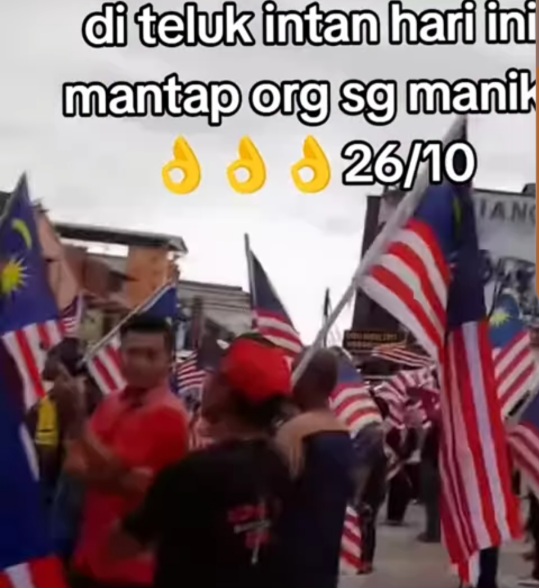
At the heart of the matter lies a viral video of participants waving China flags during a cultural festival intended to celebrate a shared heritage and unity.
The incident has drawn ire from both the public and political figures, including Dr. Akmal from UMNO’s Youth Wing, who has called for strict action. (“Enough is enough!” Dr Akmal Slams Organiser Over Waving of China Flags in Perak & Files Police Report)
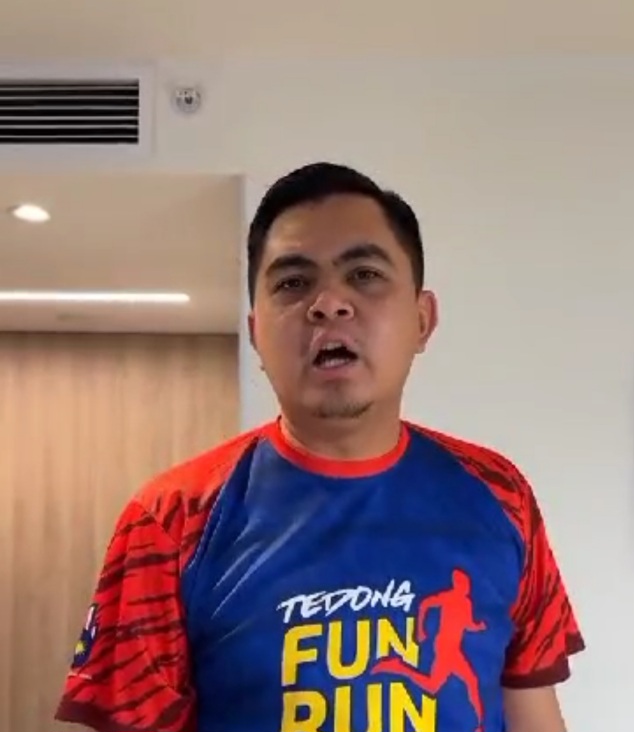
The incident points to deeper issues concerning how Malaysia negotiates its multicultural identity and the perceived tension between local allegiance and cultural celebration.
For the Guan Gong Cultural Association of Malaysia, the display of the China flag was an unfortunate oversight, not an intentional statement. The association’s chairman, Soon Boon Hua, was quick to apologise and reaffirm that the Jalur Gemilang has always been the unifying flag at these events. Nonetheless, the backlash highlights the sensitivity of ethnic identity in Malaysia, where cultural festivals walk a fine line between celebrating heritage and ensuring a sense of national loyalty. (Waving China flags: Guan Gong Cultural Association apologises to Malaysians)
The association’s apology and commitment to avoid similar missteps in the future may be enough for some, but others view it as insufficient, particularly in light of growing anxieties over foreign influence in Malaysian affairs.
This incident also reveals the intricate dance of ethnic representation in Malaysian politics. For instance, Dr. Akmal’s stern call for punitive measures taps into a nationalistic sentiment that appeals to a certain political base, which may perceive Chinese-Malaysian cultural events as symbols of China’s rising influence. (“Enough is enough!” Dr Akmal Slams Organiser Over Waving of China Flags in Perak & Files Police Report)
This narrative, while not new, resonates particularly with younger Malaysians navigating the complexities of identity, patriotism, and economic pressures. By calling for “severe punishment,” Dr. Akmal risks further polarizing an already sensitive issue, potentially alienating communities that feel their cultural practices are scrutinised or politicised. https://m.malaysiakini.com/news/724057
What makes this incident even more significant is its location—Teluk Intan, a culturally diverse area in Perak.
Here, ethnic Chinese, Malays, and Indians have historically coexisted, with shared festivals and communal events reinforcing social bonds.
However, the controversy over foreign flags at a local festival raises concerns about whether Malaysia can continue to balance its multiethnic reality with its political need for national unity. Cultural festivals like the Guan Gong celebration are vital for preserving heritage and instilling pride among Chinese Malaysians, yet they must be managed carefully to prevent unnecessary political strife.
In the age of social media, isolated missteps like the waving of a foreign flag at a local festival can quickly spiral, becoming flashpoints for political agitation.
This incident is a reminder that cultural associations and organizers must anticipate potential sensitivities and, where possible, reinforce Malaysia’s national symbols. In doing so, they not only prevent unintended controversies but also remind participants that cultural pride and national loyalty are not mutually exclusive.
For political leaders, this incident is an opportunity to act with nuance, understanding, and restraint. Calls for harsh punishment may resonate with some voters, but ultimately, these measures risk stoking division in a country that needs unity more than ever.
Instead of punitive actions, a thoughtful dialogue between cultural associations and policymakers could foster a better understanding of Malaysia’s multicultural fabric. Emphasising respect for the Jalur Gemilang while celebrating the richness of diverse cultural practices can help guide Malaysia toward a future where cultural festivals unite rather than divide.
The Guan Gong Cultural Festival, like other such events, should be a celebration of Malaysia’s ethnic diversity—a testament to the richness of heritage that does not undermine patriotism. As Malaysia moves forward, embracing both the Jalur Gemilang and the richness of its cultural tapestry is not only a possibility but a necessity for its long-term unity.
Mihar Dias is a content creator under the Newswav Creator programme, where you get to express yourself, be a citizen journalist, and at the same time monetize your content & reach millions of users on Newswav. Log in to creator.newswav.com and become a Newswav Creator now!
The User Content (as defined on Newswav Terms of Use) above including the views expressed and media (pictures, videos, citations etc) were submitted & posted by the author. Newswav is solely an aggregation platform that hosts the User Content. If you have any questions about the content, copyright or other issues of the work, please contact Newswav.

