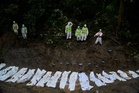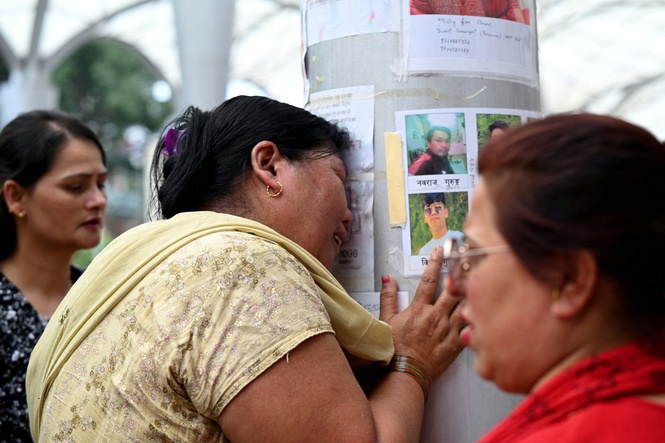
KATHMANDU, Sept 3 - The death toll from last week’s devastating flash floods and mudslides on the China-Nepal border has climbed to 1,220, while nearly 4,762 people, including 844 foreigners, remained missing.
Anadolu Ajansı reported that Nepal’s National Disaster Risk Reduction and Management Authority said 1,204 bodies have been recovered in Nepal since massive flash floods hit the Himalayan country on Wednesday (August 26), while 301 people were injured and around 4,216 remained missing.
Around 900 personnel deployed at several hydropower stations in the country remain missing.
Approximately 11,993 people have been rescued from the flood-hit areas, while 21,314 security personnel, including army and police, have been mobilised to assist the ongoing search and rescue operations.
An estimated 1.6 million people in Nepal have been affected by the flash floods.
Meanwhile, Xinhua reported that at least 16 people have been killed on the Chinese side of the border, with 546 missing, including 261 foreigners.
Road access to the core area of the mudslide-hit Gyirong Port in Tibet, which China designates as the Xizang Autonomous Region, was restored yesterday after days of “round-the-clock” repair work on the damaged highway.
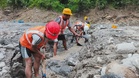
Rescue teams, relief supplies, and some rescue equipment have entered the core rescue area via the repaired road.
A 44-member Korea Disaster Relief Team from South Korea reached Nepal yesterday to help find the missing people. At least nine South Koreans are among the missing.
China has also sent experts, along with drones, DNA testing devices and reagents, water-purification equipment, and lighting gear.
India has also sent DNA analysis experts.
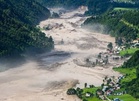
The disaster struck on August 26 when a glacier on Nepal’s Mount Langtang Lirung fractured at about 5,200m, triggering an ice-rock avalanche that developed into a massive debris flow and swept through valleys along the border.
The huge surge of water, along with mudslides, devastated Rasuwa, Nuwakot, Dhading, Kavre, and the Kathmandu Valley in Nepal, while also burying the Gyirong border crossing with Nepal in southwestern Tibet, also known as the Xizang Autonomous Region, on the Chinese side.