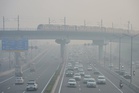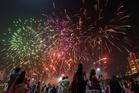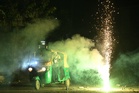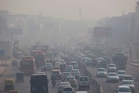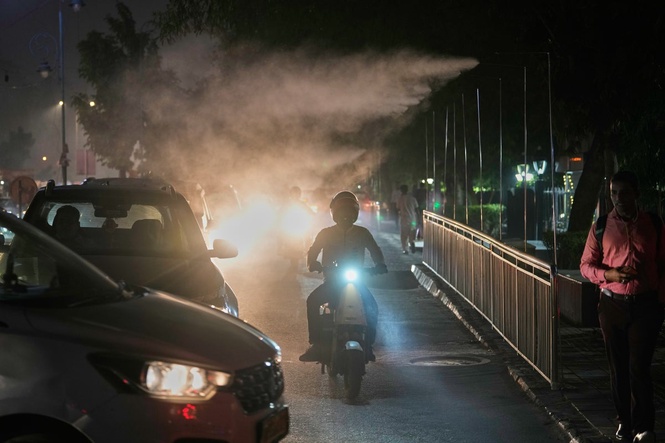
Delhi’s air quality on the eve of Diwali plummeted to its worst level for a decade and forecasters expected it to turn “severe” as people celebrating the Hindu festival burned fireworks on Sunday.
The Central Pollution Control Board recorded an air quality index of 369 at 4pm local time on Saturday, putting it in the “very poor” band of its 0 to 500 scale. It was the Indian capital’s highest AQI reading for the day before the festival of lights since 2016, when it reached 404 on 29 October.
The Swiss monitor IQAir ranked Delhi the most polluted major city in the world on Saturday.
The Indian Institute of Tropical Meteorology forecasts the city’s AQI to rise to 406 by 4am on Monday, taking it into the “severe” category, the worst on the scale. In 2020, AQI reached 414 on Diwali day and 435 the day after.
Diwali’s main day of celebration is Sunday and light winds of 3kmph are forecast in the afternoon, with the US National Weather Service’s global forecast model showing no rain through 14 November.
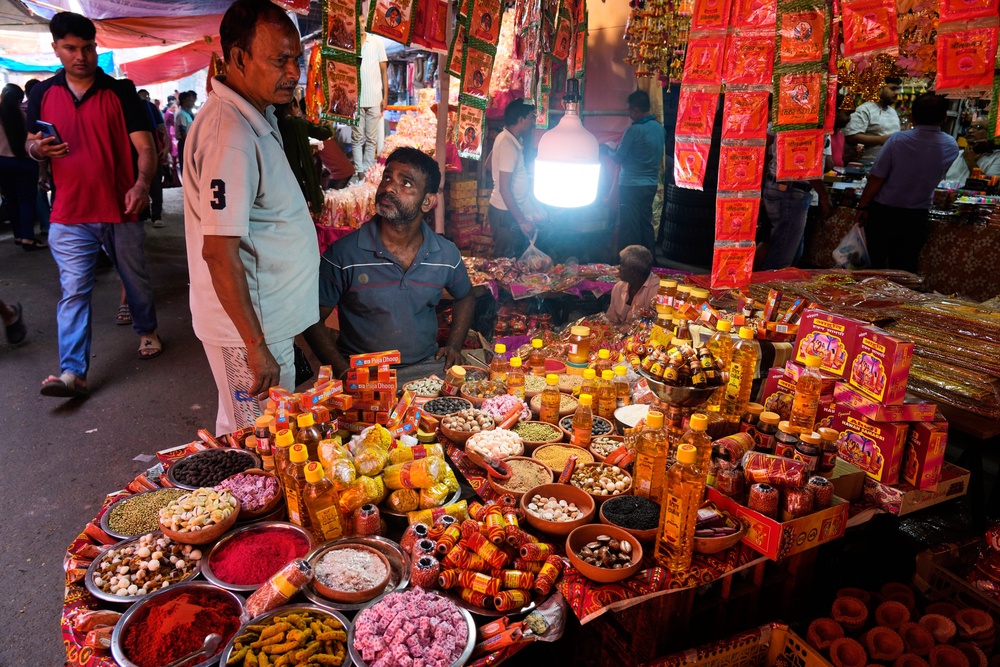
Air pollution in the city rose sharply once the official evening window for fireworks opened at 8pm local time. Levels of PM2.5, fine particles small enough to lodge deep in the lungs, rose from 177 micrograms per cubic metre of air at 7.45pm to 289 at 10pm across 55 monitoring stations, according to an analysis by the pollution board.
In Punjabi Bagh, a residential neighbourhood in the city, the reading almost tripled in an hour, from 208 at 7pm to 593 at 8pm, while the RK Puram area reached 621 at 9pm and Mundka 718. India’s limit for a 24-hour average is 60.
The surge came inside the fireworks hours permitted by the Supreme Court, which allowed the use of certified green fireworks for one hour in the morning and two in the evening on Saturday and Sunday.
In its ruling, the court said it was “short of adequate data to decide whether or not a complete ban would be the best solution to solve the problem of environmental pollution” caused by fireworks.
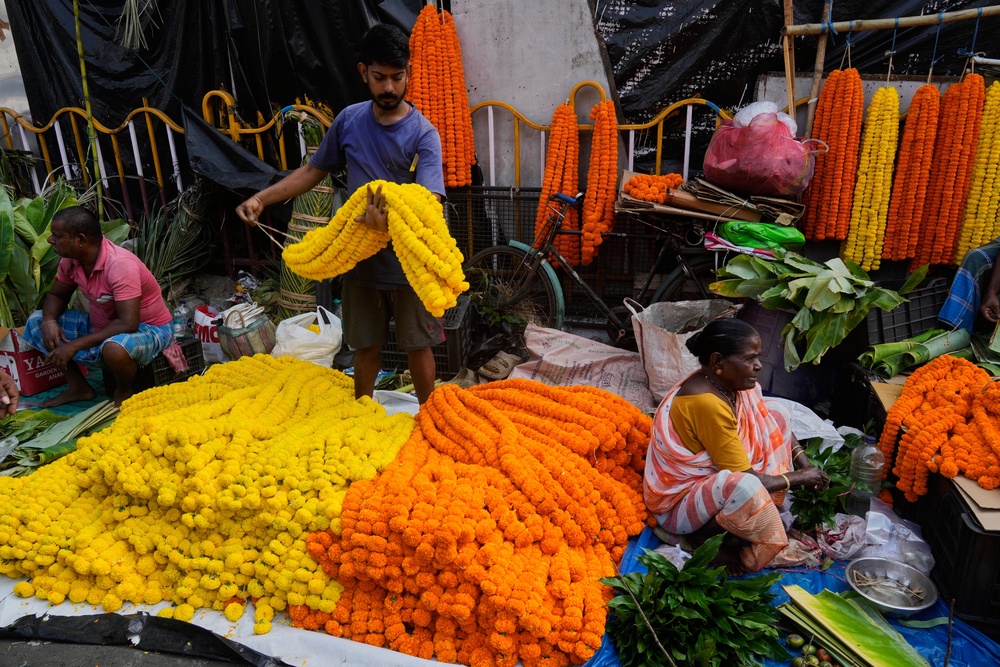
The Delhi police have set up more than 250 special enforcement teams, but officers have conceded full compliance may not be possible.
“It is nearly impossible to determine whether a firecracker that a person burst was green or not,” an officer told the Hindustan Times on Saturday. The newspaper found conventional fireworks on sale in Chandni Chowk and Sadar Bazaar, two of the city’s largest markets, and boxes without the QR codes the court made mandatory.
Farm fires in the neighbouring states of Punjab and Haryana, where farmers burn crop stubble to clear fields for the next sowing, have added to the pollution in Delhi. An Indian space agency satellite recorded 415 fire detections in the two states on Saturday, 5.5 times its count on 1 November.
The government has ordered schools in and around Delhi to hold online classes and encouraged people to work from home.
Read MoreDelhi air pollution tracker: Why is winter haze so bad in India’s capital?
Can ‘green’ fireworks really prevent Diwali air pollution bomb in Delhi?
Bollywood star calling for fireworks-free Diwali sparks political row in India
Bus driver fatally pushed from moving vehicle
Abdul El-Sayed’s Indian in-laws celebrates historic US midterms win
Elon Musk’s X says takedown notices targeting Indian free-speech groups were fake