EL Niño has started this month and is expected to peak between October and December, and is predicted to go on till April. El Niño is basically a natural climate change pattern that occurs every two to seven years.
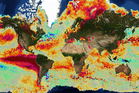
The cause is sea surface temperatures rising from the central Pacific Ocean, bringing about changes in waves (warmer, higher), causing a scarcity of rainfall that eventually produces drought and higher temperatures.
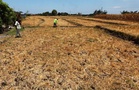
Already, parts of the Philippines are feeling the effects of this El Niño — Quirino, Albay, Camarines Norte and Sur, Catanduanes, Eastern and Western Samar, and Leyte. Their rainfall is below normal and temperatures for this time of year are higher than usual. These high temperatures can actually enhance the monsoon, which they seemed to have done along with the “habagat” wind this year, particularly in Western Luzon. Actually, despite dry conditions, the El Niño can cause typhoons that may bring wind, rain and even floods, if briefly. But the rains will not last enough to mitigate the drought conditions that characterize El Niño.
Changes in the seas will happen because of the higher temperatures. Phyto-plankton, which is the food in the oceans that feed the fish and other sea creatures, will diminish markedly depriving them of needed sustenance. This means there will be less fish to catch for food.
Most affected by El Niño are the farmers and fishermen, because in the case of farmers, there will be less water to irrigate and higher temperatures to contend with for the crops that they grow. Dry conditions in the countryside may bring on wildfires that could be engulfing and difficult to put out given the scarcity of water. Firefighters, therefore, will have to be on alert to cope with them. Fishermen already contending with massive ocean pollution that affects their catch will experience even less fish to catch from the high temperatures that affect the size of the fish population.
In general, the higher temperatures will be felt by all. If not defended against by careful management of one’s exposure to them, the appearance of heatstroke and heat exhaustion may occur. Here, farmers and fishermen as well as laborers are especially vulnerable. They must time their work in their work areas to the early morning hours, quit near noon and resume in the late afternoon.
Since agriculture and fishing will be affected, mitigating measures must be undertaken. Those lands with irrigation must manage their water practically and effectively. Government has to manage water and its distribution as well as advise what crops are best to plant in the presence of El Niño. Rice may be affected because of its need for water and the limited night temperatures which is when it grows. Fishermen must be protected by not allowing commercial fishing in the municipal waters where they fish as well as minimize pollution. This is necessary in times of ordinary weather but more so with the presence of El Niño.
All in all, there must be a collaboration between communities and their people, government and communities by sharing the use of general scientific knowledge or technology to meet El Niño and survive its oppressive effects.
The government agencies have been raising the alarm with the public about the El Niño phenomenon, but aside from telling the public to conserve water, no other practical advice is being given.
What needs to be said is that we not only have to conserve water but also to conserve energy as hydropower will not be able to keep up its level of contribution to energy. We have already seen shortages of power in the Visayas this year.
For health, there must be emergency response on the part of the health authorities to heat illnesses that may arise from the high temperatures. Plus some information on cautionary actions that will prevent heat diseases.
With the pressure on agriculture and fishery, there may be a drop in production that will bring on higher food prices which can fuel inflation. Good agricultural management may suggest using a different rice variety that can thrive in high temperatures or plant drought-resistant crops, treat the soil to combat the effects of drought, and in general, use modern technology to mitigate a negative natural phenomenon. As for the fishers, their fishing grounds must be protected from the intrusion of commercial fishing.
So, all of us need to know what to expect, prepare for it and triumph over adversity.