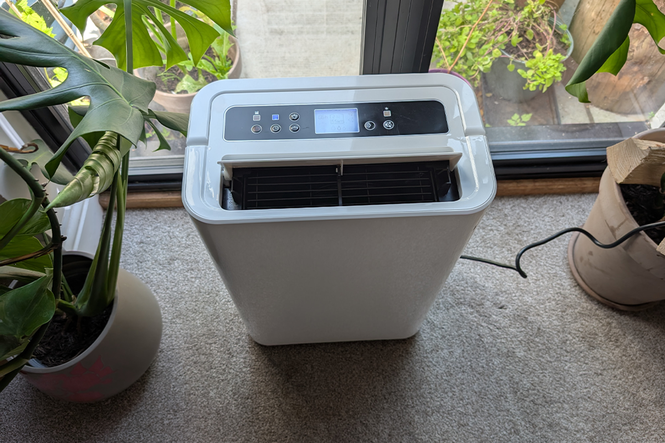
With energy prices set to rise this month, reducing electricity use wherever possible remains a priority. Cutting back on how often you use certain household appliances or replacing older models with more energy-efficient alternatives can help bring costs down over time. However, there’s one appliance that could actually have a role to play in keeping your home energy efficient: a dehumidifier.
A dehumidifier may seem like another drain on your energy bill, but it can be useful during the colder months, when condensation, damp and mould are more common. By removing excess moisture from the air, using one can help reduce musty smells and make drying laundry indoors easier, potentially using less energy than a tumble dryer.
Dehumidifiers still come with an upfront price and ongoing electricity costs, so it’s worth considering both before buying one. But could the benefits of reducing damp and mould, while helping to dry laundry, outweigh the cost of running the appliance?
I’ve crunched the numbers and spoken to experts to reveal what it really costs to run a dehumidifier, plus how to keep energy use down.
Read more: Best dehumidifiers for tackling damp at home
How much does it cost to run a dehumidifier?
Natalie Mathie, energy expert at Uswitch.com says “a typical dehumidifier using 185W costs 4.83p to run for one hour, based on current electricity prices. Left running non-stop, that works out at roughly £1.16 a day.”
However, she adds that “The energy price cap is forecast to rise in October, meaning the cost of electricity is likely to increase for customers on their supplier’s standard variable rate. Some of that increase will be offset by the government's cut to VAT on electricity, which also comes in on 1 October and should take around £45 a year off the average bill. If prices rose by current predictions, it could cost about 4.92p to run a dehumidifier for an hour, working out at £1.18 a day – still slightly more expensive despite the VAT cut.”
According to Ofgem, a typical modern 12-20 litre domestic compressor dehumidifier uses around 200-300W once running, so you can expect to pay roughly, 5-8p per hour, 40-65p for an 8-hour overnight run, which adds up to £12-£20 per month if run for 8 hours every day. However, these are still only a rough guideline.
What affects costs?
“The cost of running a dehumidifier will vary depending on the power of your unit,” Mathie explains. “Larger units could use as much as 500 watts of electricity, which would currently cost around 13.06p an hour to run. As with any electrical device, the more you use it, the more it will cost to run. Some units come with a humidistat so that the appliance will turn off when not needed, which could help households save money.”
The best dehumidifier to buy
Ebac 4650e 18l dehumidifier: £329, Argos.co.uk
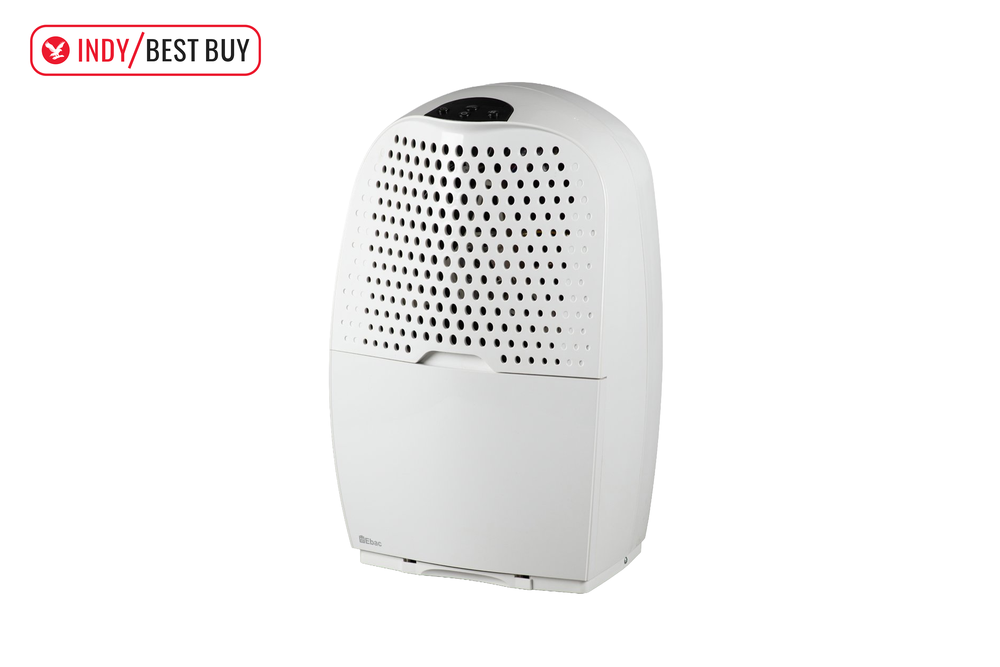
Our expert guide to the best tried and tested dehumidifiers has lots of recommendations, but the Ebac 4650e 18l dehumidifier took top spot. Tester and air quality expert Joanne Lewsley said it received this position mostly due to its “clever smart mode.” She explained: “Ebac’s Smart Control system spends the first few days building a rolling profile of your home’s actual moisture patterns, including the spikes that come from showering, cooking or drying laundry. It then adjusts its runtime automatically based on that learned behaviour, rather than a fixed number you've dialled in yourself.”
Duux bora smart 30l dehumidifier: Was £349.99, now £249.99, Amazon.co.uk
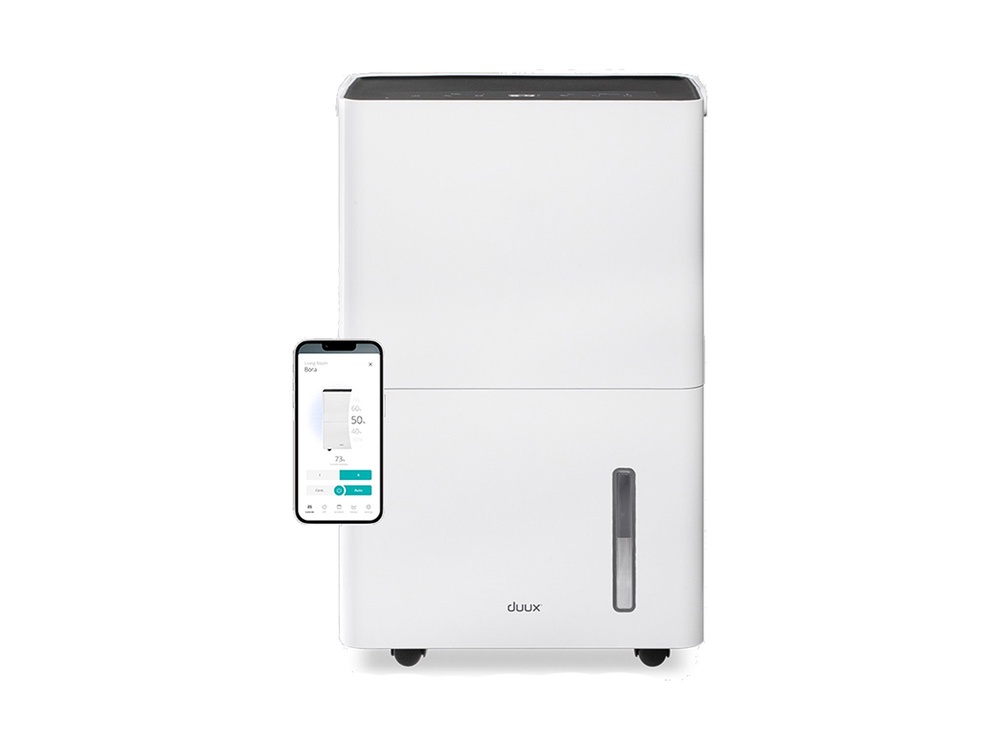
Another recommendation is Duux’s bora smart 30l dehumidifier, which secured the award for best dehumidifier for large spaces. Lewsley found that “It’s a high-performance model that’s as stylish as it is functional. It might be large, but it features a premium, minimalist design, which is ideal if you’re after a dehumidifier that won’t ruin your home aesthetic.”
With a 30l per day extraction rate and a generous 4l water tank, it’s great for larger rooms or open-plan spaces. Joanne says, “What really sets it apart is its smart functionality. The Duux app is intuitive, responsive, and packed with helpful features. It provides real-time air quality readings and enables you to control everything from fan speed to humidity settings, whether you’re on the sofa or away from home.”
Tips for saving money
“To save money while using a dehumidifier, make sure it is running as efficiently as possible by checking if the filter needs cleaning and keeping the air vents clear,” Mathie suggests. “A build-up of dust can cause the device to work harder and use more energy. Ensure you are also emptying the water tank regularly.”
“To reduce costs, try to keep the windows and doors closed whilst the dehumidifier is in use,” adds Katie Lilywhite, an air treatment expert at AO.
Location is just as important. “One of the biggest mistakes many people make when using a dehumidifier is putting them in the wrong location,” Lilywhite says. “Most people tend to put them in a corner, when instead you should be positioning the dehumidifier in the centre of the room to remove moisture. This ensures that there is enough space around the dehumidifier for the air to circulate.”
Michaels also suggests choosing an energy-efficient model with a humidistat. “This allows the dehumidifier to maintain a set humidity level, switching off automatically when that level is reached and only turning back on if humidity rises,” he says. “It means the unit only runs when needed, saving electricity.”
He adds that it’s also worth looking for models with a long warranty, “as this often reflects better build quality and means you’re less likely to need a replacement every couple of years.”
Dehumidifiers have also become a popular way to dry laundry. Martin Lewis suggested this method as a money-saving technique as dehumidifiers are far cheaper to run than tumble dryers. It’s also much faster than many other drying methods.
“When drying washing indoors, place the dehumidifier next to the clothes rack and keep the door closed. To reduce drying time, position a cooling fan opposite the dehumidifier,” Michaels suggests. “Fans are energy efficient and help create airflow that pushes moisture out of the clothes and into the air for the dehumidifier to capture.”
Meet the experts
- Katie Lilywhite: Air treatment expert at AO
- Natalie Mathie: Energy expert at Uswitch.com
- Joanne Lewsley: Home appliance journalist
Experts explain what a dehumidifier does and the benefits of using the device