.png)
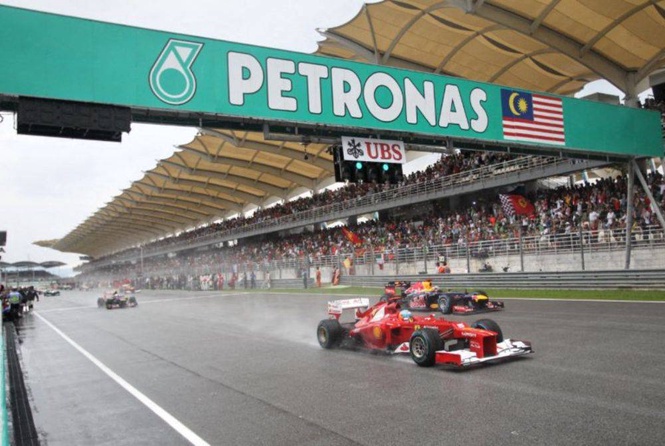
SHAH ALAM - The International Automobile Federation (FIA) has officially declared a heat hazard for the Formula 1 (F1) Bahrain Grand Prix at the Sepang International Circuit this weekend, triggering requirements for teams to prepare Driver Cooling Systems for the race.
The decision comes as temperatures are forecast to reach the low 30s, accompanied by high humidity and a possibility of rain throughout the race weekend. Under the heat-hazard regulations, teams are required to fit components of the Driver Cooling System to their cars.
Drivers can choose to wear a specialised cooling vest during the race to help manage their body temperature. Those who opt not to wear the vest will instead be required to carry additional ballast to account for the weight of the cooling equipment.
The system is intended to reduce the physical strain caused by high temperatures and humidity during races, although some drivers have questioned its effectiveness over an entire race distance.
Max Verstappen and Lewis Hamilton have previously described the optional cooling vest as unnecessary and ineffective over a full race distance.
The heat-hazard declaration is particularly significant at Sepang, which is regarded as a physically demanding circuit for drivers.
The track features long straights, high-speed corners and heavy braking zones, requiring drivers to maintain high levels of physical exertion throughout the race.
Those demands are compounded by Malaysia’s hot and humid climate, increasing the potential impact of heat stress on drivers during the race.
The FIA’s regulations provide for a heat hazard to be declared when temperatures are expected to exceed 31C at any point during a race.
The Bahrain Grand Prix at Sepang will be the third F1 race in 2026 to have a heat hazard declared, following similar decisions at the Austrian and Italian Grands Prix earlier this season.
The declaration means teams must account for the additional requirements of the Driver Cooling System as they prepare their cars for the weekend.
Drivers, meanwhile, will have to decide whether to use the cooling vest during the race or accept the additional ballast required if they choose not to use it.
The combination of high temperatures, humidity and Sepang’s demanding layout is expected to make thermal management an important consideration throughout the race weekend.