Behind Formula 1’s glamour lies a massive logistics operation and economic boost, with DHL and thousands of workers keeping the global racing circus moving.
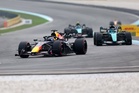
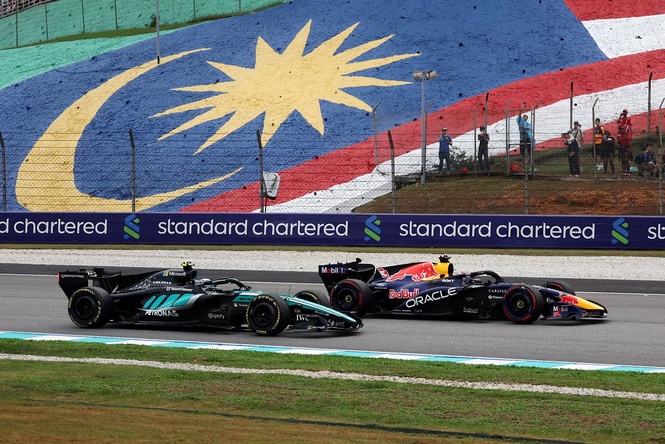
BY the time you read this, Formula 1 will be well underway in Malaysia. Hopefully the wind blows the haze away and the rain follow suite, but where is the fun of racing around the Sepang International Circuit without the elements that make it challenging – heat and rain.
But while we Malaysians are hyped about Formula 1 returning to the country, let us take a moment to remember the unsung heroes of Formula 1, the men and women that make it possible for all of us to enjoy the spectacle. Whether from the comforts of our homes or track side.
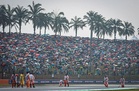
I was recently invited to tour the paddock DHL on the Wednesday before race weekend. This is a rarely seen day where there is utter chaos behind the scenes. There are no big names, no mega stars, no celebrities, just hardworking people with their hammers, hard hats, high visibility jackets and dozens of forklifts zipping around.
This is the lesser-known world of Formula 1, and at the centre of it all is DHL, the longest-standing global partner of the biggest race series in the world.
This year is another exceptional year because it marks the third consecutive year with a record breaking 22 races around the world spanning five continents and 19 countries.
DHL has been working with Formula 1 for over 40 years and has been the “Official Logistics Partner” since 2004. The logistics giant is responsible for moving 1,300 tonnes of freight per race weekend.
Over an entire race season, DHL covers 133,000km in air distance, moving Formula 1 goods like race cars, engines, fuel, tyres, spare parts as well as broadcast equipment over a distance that can circumnavigate the globe approximately 10 times.
Despite allocating eight of its aircraft including latest generation Boeing 777’s to Formula 1, DHL also uses multi-modal transport solutions that includes air, road and ocean freight where possible.
The ultimate goal for the company is to reduce its environmental impact and to help Formula 1 reach its ‘carbon neutral by 2030’ goal, and hence why everything needs proper planning.
For example, DHL deployed biofuel powered trucks for European races this year. With 52 biofuel powered trucks replacing their diesel-powered counterparts, DHL was able to reduce carbon emissions by an average of 83% per truck.
Each truck is also monitored by GPS to ensure optimal fuel consumption, route and of course, carbon emissions monitoring. So, it’s not just a matter of replacing diesel with biofuel.
The new Boeing 777s mentioned earlier have also been optimised and now use certified sustainable aviation fuel (SAF) for air-freight operations. By using these new SAF powered planes, DHL helped Formula 1 reduce its emissions by an amazing 20,000tco2e (tonnes of carbon dioxide equivalent).
Such scale and complexity need a lot of brainpower, and DHL staffs a team of 100 motorsports logistics specialists to manage Formula 1. Of this, 50 are always on-site, working together with the 3,000 people who make a race weekend happen.
But this race weekend is not only about DHL, though there is no doubt that it is impossible for this to happen without the company. This weekend also creates a micro-economy of sorts.
During our tour with DHL, we were hosted by Christian Pollhammer, Operations Manager of Formula 1, Simon Price, Motorsport Event Manager of DHL and members of the DHL marketing and communications team.
And in our hour-long chat, I was fascinated to hear that the race in Malaysia is a lot more complex than we imagine because it was added to the calendar at the last minute because of events in the middle east.
Because of this, the Formula 1 circus needed to rent about 800 cars to move everyone around. Imagine the sheer scale of that and the amount of money that is going to be generated over a single weekend because Formula 1 came to town.
So, we might enjoy the race spectacle today but remember the brilliant minds of DHL and the people working behind the scenes. And then imagine the money that Formula 1 makes for people in logistics and hospitality when it comes to town.
Remind me again, why shouldn’t we have Malaysia as a permanent fixture in the Formula 1 calendar? If its cost then maybe bring the race to town every two or three years, I am sure the management will be willing to listen if there’s someone willing to talk.