Melting ice could trigger floods before causing long-term shortages, warn experts
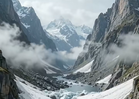
PETALING JAYA: Glaciers may be thousands of kilometres from Malaysia, but their disappearance could have consequences far beyond the mountains, from devastating floods and severe water shortages to the destruction of ecosystems.
Experts warn that irreversible glacier loss could threaten freshwater supplies and endanger lives, leaving countries downstream caught in a dangerous cycle of too much water followed by too little.
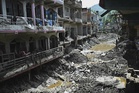
National University of Singapore lecturer in Southeast Asian studies Dr Serina Rahman said glacier loss could trigger avalanches, landslides, debris flows and powerful river surges, placing mountain communities at serious risk.
“Once a glacier melts, it’s gone; unless we have another ice age.”
Serina said glaciers breaking apart around Greenland could also endanger boats and kayaks by generating large waves and powerful water movements.
Glaciers served as vital freshwater reserves and she warned that their disappearance would remove an important safeguard against water shortages.
“Without glaciers, we have no backup for water,” she said.
Melting ancient ice could also release viruses and other contaminants that had remained frozen for centuries, she added.
Serina said the effects were already being seen in India, Nepal and China, while Greenland, Iceland, Russia and Antarctica were also vulnerable.
She noted that Indonesia’s Carstensz glaciers had similarly receded because of rising temperatures, adding that mining and other development near glaciers could further undermine their stability.
Serina stressed that the consequences would extend across borders because rivers and seas connected countries.
“There is one connected planet and no real boundaries between anyone,” she said.
She cited the 19th-century eruption of Krakatau as an example of how an environmental event in one region could have global repercussions, including temporarily cooling the climate.
Serina said the ecological cost of glacier collapse was often overlooked because attention tended to focus on human casualties.
Floods and debris flows could severely damage river ecosystems and potentially wipe out endemic plants and animals, with the full extent of such losses rarely documented.
“The loss is horrific and irreversible.”
Meanwhile, Universiti Malaysia Kelantan Faculty of Earth Sciences lecturer Prof Dr Aweng Eh Rak said disappearing glaciers could create a “too much water, then too little water” crisis for countries dependent on glacier-fed rivers.
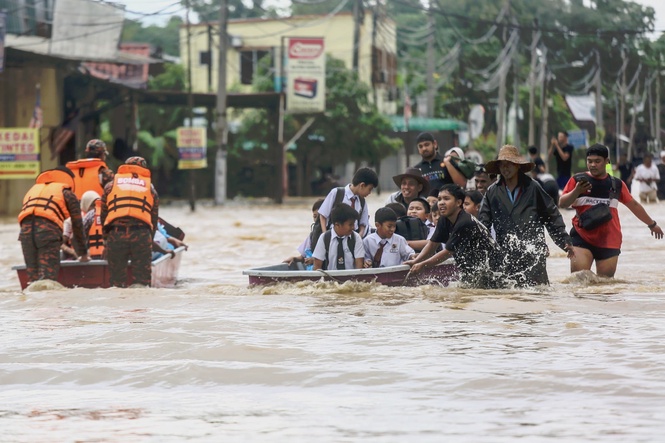
Rapid melting could initially push river volumes beyond capacity and cause flooding.
However, once glaciers had shrunk substantially, there would be insufficient ice to replenish rivers, leading to water shortages.
“An excess of water results from rapid glacial melting, leading to flooding as rivers are unable to handle the sudden surge in volume.
“Conversely, a water deficit occurs when glaciers have melted to the point where the remaining ice is insufficient to feed nearby rivers, resulting in a shortage of water resources.”
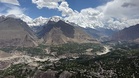
Aweng said mountainous regions in Nepal, Tibet and several Central Asian countries relied on glaciers for water but would increasingly have to depend on rainfall, groundwater and wetlands as the ice diminished.
Agriculture and hydropower would likely be affected first, followed by drinking water supplies and industry.
He warned that dwindling glacier-fed water supplies could also heighten tensions among countries sharing major river systems, particularly in South and Central Asia.
To prepare, Aweng urged governments to adopt circular water systems, revise agricultural policies to prioritise less water-intensive crops and expand precision farming.
He also called for greater rainwater harvesting, exploration of groundwater resources and improved storage systems to maintain supplies during shortages.
He added that governments should also diversify their energy sources instead of relying heavily on hydropower.
Serina said decades of climate warnings had failed to produce sufficient cuts in carbon emissions because economic growth and profit continued to take priority.
Measures such as carbon credits and offsets had often failed to make a meaningful impact, while grassroots initiatives such as forest restoration had achieved more tangible results.
“The work that mattered was the random efforts of people who planted forests,” she said.
She warned that continued production and consumption, even under the banner of technological and “green” advancement, had failed to address the scale of the climate crisis.
“Business has gone on as usual and we have ignored the warnings all these years.”