.png)
SHAH ALAM – Hunting for a rental home or room can quickly turn into a nightmare when a seemingly genuine property listing is actually a scam.
With scammers becoming more sophisticated, consumers are now being targeted through real property listings, furnished units, QR-code payments and rental deals that appear too good to be true.
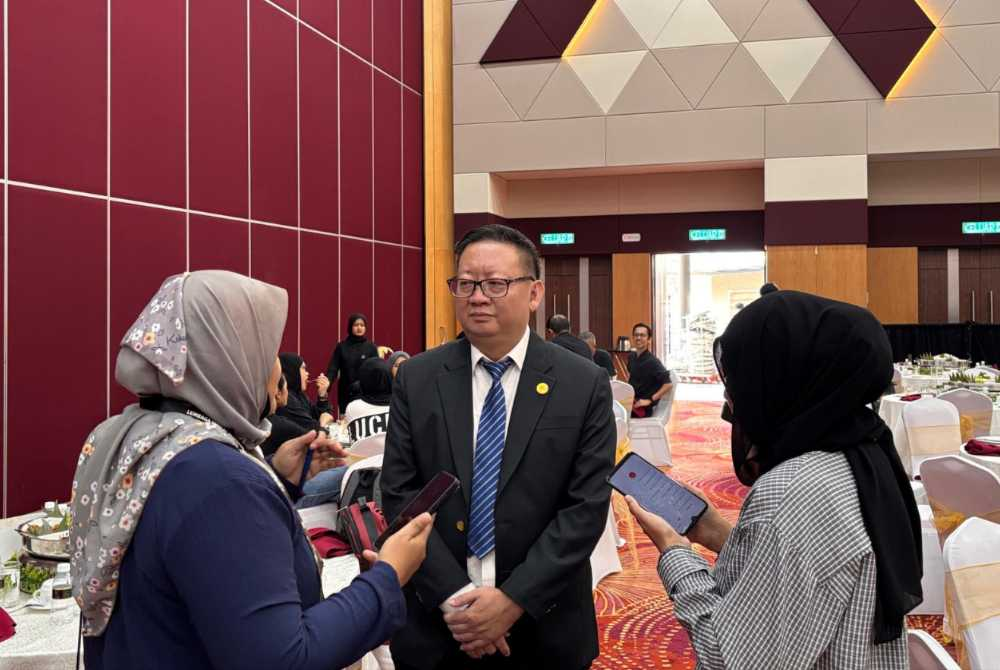
Board of Valuers, Appraisers, Estate Agents and Property Managers (BOVAEP) Estate Agency Practice Committee chairman Lim Boon Ping and Property Managers Committee chairman Ishak Ismail shared several warning signs consumers should look out for before handing over their money.
Here are seven ways to avoid getting caught in a property rental scam:
1. Ask for the Ren tag
If you are dealing with someone claiming to be a property agent, ask to see their Real Estate Negotiator (Ren) tag.
Lim said the tag contains a QR code which consumers can scan to verify the Ren number through the official system.
"If you ask for the Ren tag and the person cannot provide one, that should be a red flag," he said.
A person who claims to be an agent but does not know what a Ren tag is should also raise concerns.
2. Check who you are actually dealing with
Do not assume that a property listing is legitimate simply because the photographs or address look genuine.
Lim said scammers could take real property listings and use them to advertise rental units, including properties that were fully furnished or made available through Airbnb arrangements.
This could make a fraudulent listing appear convincing to someone viewing it online.
For consumers dealing directly with an owner, Lim advised them to consider having a lawyer prepare the tenancy agreement and verify the property's ownership.
This is particularly important where a property has multiple owners, as the person offering the unit may not have the authority or consent of the other owners.
3. Never rush into a deposit payment
One of the biggest red flags is being pressured to transfer money before properly verifying the property and the person offering it.
Ishak said scammers were increasingly using attractive rental schemes to persuade victims to pay several months of rent upfront.
For example, a scammer might offer a 12-month tenancy for the price of 10 months, but require the entire 10-month payment upfront.
Once the money is transferred, the scammer disappears.
If a deal sounds unusually attractive, take a step back and verify it first.
4. Be careful with personal bank accounts and QR codes
A registered property agent should not ask a tenant to transfer a deposit into the agent's personal bank account.
Ishak said payments involving agents should instead be made through the proper agency or client account, which is protected under relevant trust regulations.
Lim also warned consumers about QR-code payments, saying scammers had started using them to collect money.
Even when an agency provides a QR code, consumers should check the payment details carefully before making any transfer.
5. Check with the building's JMB or MC
Want to make sure the rental unit actually exists?
For strata properties, Ishak suggested checking with the building's Joint Management Body (JMB) or Management Corporation (MC).
The JMB or MC is responsible for the common property and management of the building, and should have records of owners and tenants.
If the building has outsourced its management, consumers can also check with the registered property manager handling the property.
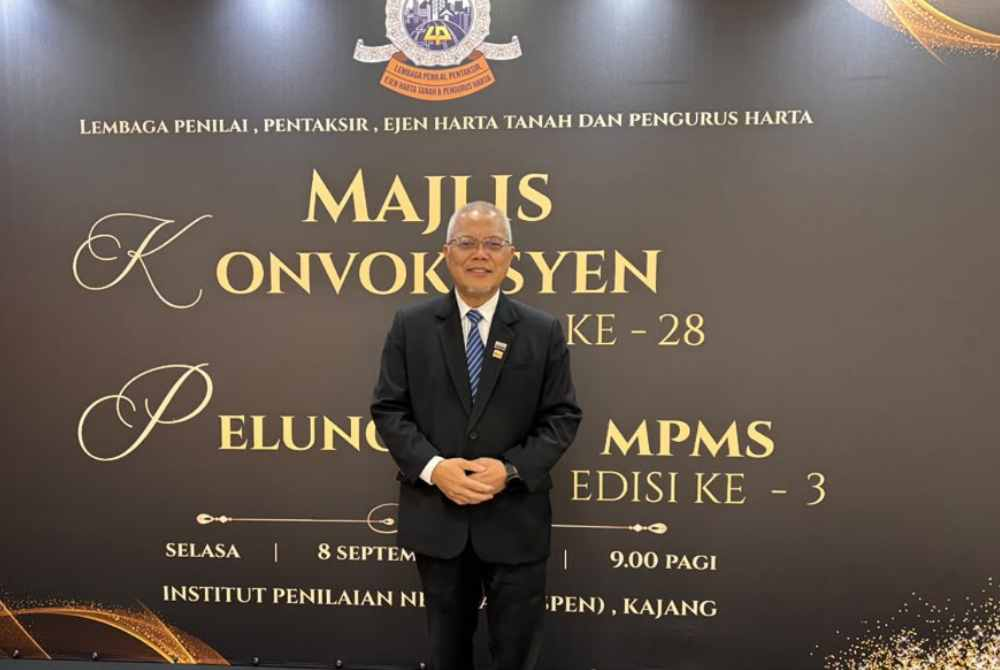
Ishak said this creates an additional layer of verification before a tenant commits to a rental.
6. Don't ignore unsafe or suspicious accommodation
Not every rental scam involves a property that does not exist.
Ishak said consumers also needed to be cautious about accommodation that was real but unsafe or unsuitable, including spaces converted into extremely small rooms or cubicles.
He said room rentals were allowed but had to comply with relevant guidelines under the Town and Country Planning Act and local authority requirements.
Estate agents and professional property managers also have responsibilities to ensure that accommodation is suitable for occupation.
7. Remember the ACE rule: Ask, check, enforce
Lim said BOVAEP's public awareness campaign this year was built around a simple ACE formula:
A — Ask for the agent's Ren tag.
C — Check the Ren details using the QR code and verify who you are dealing with.
E — Enforce by reporting suspicious or illegal activity to the relevant authorities.
Lim said consumers who fell victim to scams should make a police report, while BOVAEP also has mechanisms to receive reports involving its regulated practitioners.
He said the number of scams could be difficult to determine because many victims did not report their cases.
Why students need to be especially careful
Ishak said students were particularly vulnerable because many had to find accommodation outside university campuses due to limited on-campus housing.
Ishak said some students, particularly those from rural areas or less wealthy families, could struggle to recover financially after losing thousands of ringgit in rental deposits.
"They may even have to borrow money just to register at university," he said.
He urged universities, government agencies, local authorities, estate agents and industry bodies to work together to improve access to safe accommodation.
Ultimately, the safest approach is simple: verify first, pay later.