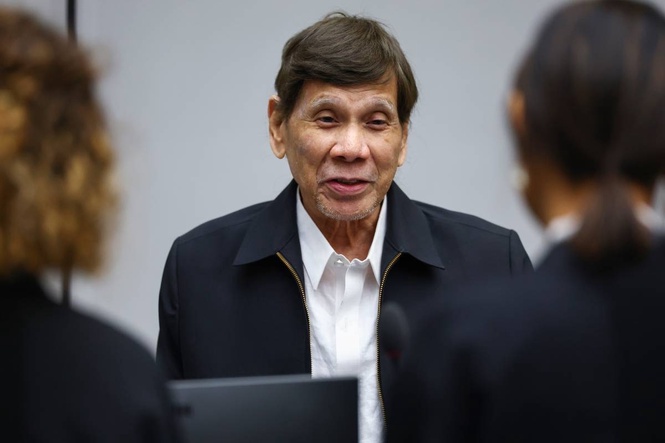
THE International Criminal Court (ICC) has ruled that former president Rodrigo Duterte is fit to stand trial, rejecting defense claims that his memory and cognitive impairment prevent him from effectively participating in proceedings over alleged crimes against humanity.
In a decision dated Sept. 28 and made public on Oct. 8, Trial Chamber III concluded that Duterte could understand the charges against him, follow the proceedings, comprehend evidence and instruct his lawyers in his defense.
The three-judge panel also rejected the defense’s requests for additional medical examinations and an opportunity to question the court-appointed medical experts.
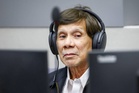
What the ruling allowed are special measures to accommodate Duterte’s age and health needs during hearings, including hourly breaks, hearing aids or over-ear headphones, access to nursing staff and assistance with medication.
The court also ordered continued monitoring of his medical condition, with the possibility of reassessing his fitness if changes in his health warrant a new evaluation.
The chamber appointed a panel of experts in June to determine if Duterte was fit to stand trial. In its report submitted in August, the panel unanimously found that he retained the mental capacity needed to participate effectively in the proceedings.
Although they noted physical and mental slowing consistent with his age and frailty, the experts found no reliable evidence of significant cognitive decline based on formal testing.
They also reported an apparent improvement in his health since an earlier assessment, attributing it to the high standard of medical and nursing care provided at the ICC detention center, including diagnostic monitoring and adjustments to his medication.
The panel noted inconsistencies in Duterte’s test performances and concluded that indicators of cognitive deficiency could be explained by underperformance.
Any cognitive impairment was characterized as mild, incipient or preclinical and insufficient to render him unfit for trial.
The defense had insisted that Duterte suffered from significant memory and cognitive issues that prevented him from retaining recent information and reliably recalling memories.
It asked the chamber to direct the neurologist on the panel to conduct additional examinations or, alternatively, allow the parties to question the experts about their findings.
The judges rejected both requests.
The chamber stressed that fitness to stand trial does not depend on whether an accused has particular medical conditions, but on whether those conditions affect the person’s ability to exercise fair trial rights.
The judges also found the expert reports clear in their substance and findings, and said the defense had not presented evidence contradicting the panel’s conclusions.
The judges declined to require hearings to begin at a fixed time of 11 a.m. Instead, they accepted the ICC Registry’s proposal to assess sitting hours on a case-by-case basis, taking into account the need to accommodate witnesses testifying by video link from the Philippines and the time difference between the Philippines and The Hague.
The chamber also ordered the medical officer at the ICC detention center to continuously monitor Duterte’s health.
The panel had recommended reassessing Duterte’s mental capacity every six months in the absence of adverse health events. It reported no deterioration since the previous assessment, which had taken place more than six months earlier.