A NEW trend in Philippine real estate integrates universities and health care services into mixed-use developments that combine residential and commercial spaces. This “eds and meds” model follows global best practices and meets local needs; it refers to the strategic placement of universities, colleges, and schools with hospitals, medical centers, and clinics near residential and commercial developments.
This model is important in real estate for various reasons. First, “eds and meds” are anchors of stability because they are stable, long-term establishments that rarely relocate. They generate consistent demand for nearby housing, services and businesses. Second, as economic drivers, these institutions attract thousands of students, faculty, staff, patients and visitors, supporting local businesses, increasing property values, and driving further development. Third, mixed-use developments foster vibrant, walkable communities because “eds and meds” include student and staff housing, retail, restaurants, offices and recreational spaces.
Fourth, the proximity of universities and hospitals promotes research collaboration, technology transfer, and startup incubation, establishing these areas as centers of innovation. Fifth, redeveloping neighborhoods around universities and medical centers has revitalized districts and attracted new investment and residents.
Examples of this real estate model include university towns where student dormitories, staff housing, and commercial centers are developed alongside university campuses; medical cities that cluster hospitals, clinics, research centers, and residential projects; and innovation districts combining educational, health care, business and lifestyle components.
This approach enhances urban convenience and attractiveness while supporting the long-term viability of real estate developments. As economic drivers, universities and medical centers attract residents, professionals and businesses, sustaining demand for retail and residential spaces, even during economic downturns.
Developers are building integrated communities with condominiums, student dormitories, clinics, hospitals, retail outlets, and office spaces near major universities and medical centers in Metro Manila and regional cities. With high demand for student housing near leading universities and a growing need for accessible health care, these developments serve both students and health professionals. They provide residents and tenants with convenient access to educational and health care institutions, reducing commute times and supporting a live-learn-work-play environment.
Examples include Metro Manila university belts featuring new condominiums, dormitories and commercial establishments designed for students and faculty; projects like Ayala Land’s Vertis North and Filinvest’s City di Mare integrating hospitals, educational institutions and commercial centers; and medical cities and university towns outside Metro Manila like Nuvali in Laguna.
NU and SM
Leading this model are the National University (NU) campuses and SM-owned colleges, which anchor mixed-use developments that combine residential, commercial, educational and health care facilities. They are typically located within or near SM malls, business centers and residential communities. As a result, students, faculty, staff, professionals and residents have convenient access to essential services like health care as well as housing, shopping, dining and leisure, fostering a vibrant, self-sustaining environment.
As stable, long-term establishments, NU campuses and SM-owned colleges attract a consistent population of students, educators and professionals, supporting demand for nearby residential and commercial properties. These institutions increase foot traffic, stimulate local economies, and encourage additional investment. This revitalizes urban neighborhoods and supports the development of new, modern communities. In cities like Manila and Baguio, and other emerging urban centers, NU campuses and SM-affiliated schools are located near hospitals, shopping centers and residential projects, exemplifying the “eds and meds” principle in practice.
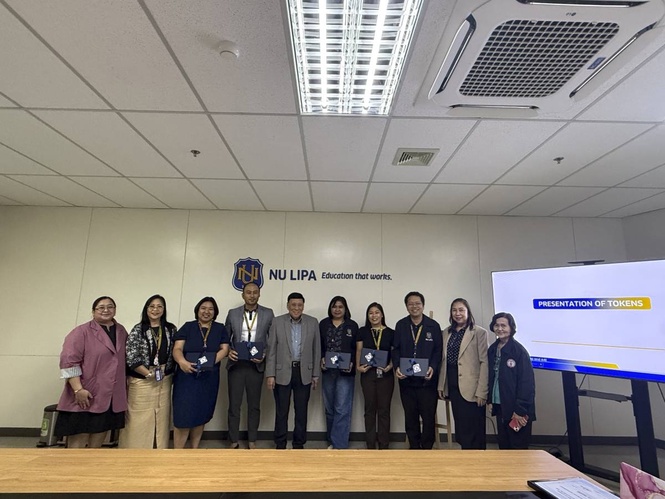
On Oct. 8, 2026, I visited NU Batangas with key officers of the Asian Association of Academic Administrators and Educators to sign a memorandum of agreement. This partnership reflects a shared commitment to research collaboration and advanced studies. The event featured the conferment of Honorary Membership to Executive Director Avelino D. Palupit, Academic Director Bernie S. Fabito, and AILPO Assistant Director Tiffany Gail M. Nova, as well as Honorary Institutional Membership to NU Lipa as part of the partnership.
This “eds and meds” trend is reshaping urban neighborhoods, increasing property values, and making Philippine cities more competitive and attractive for students, families and professionals.
Dr. Eduardo Ong is the first chairman of the PRC First Regulatory Board of Real Estate Service. He is a licensed and experienced real estate broker, appraiser, consultant and educator.