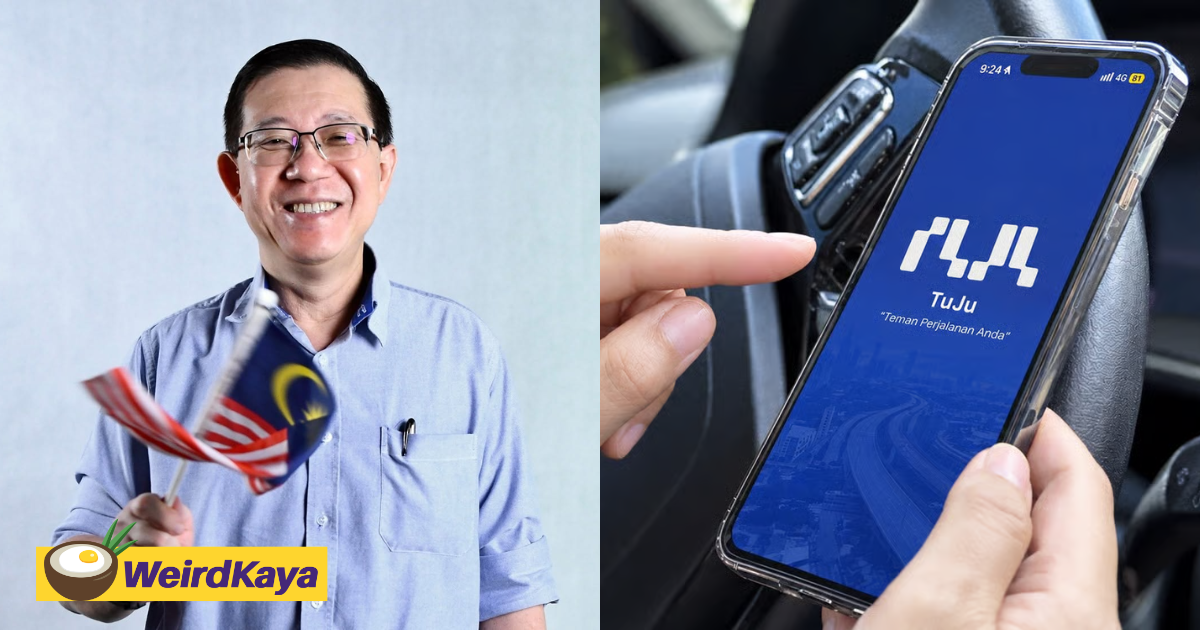
Yesterday, thousands of Malaysians scrambled to download the locally-made navigation app TuJu after the government urged the public to ditch Waze over security concerns and its ties to Israeli laws.
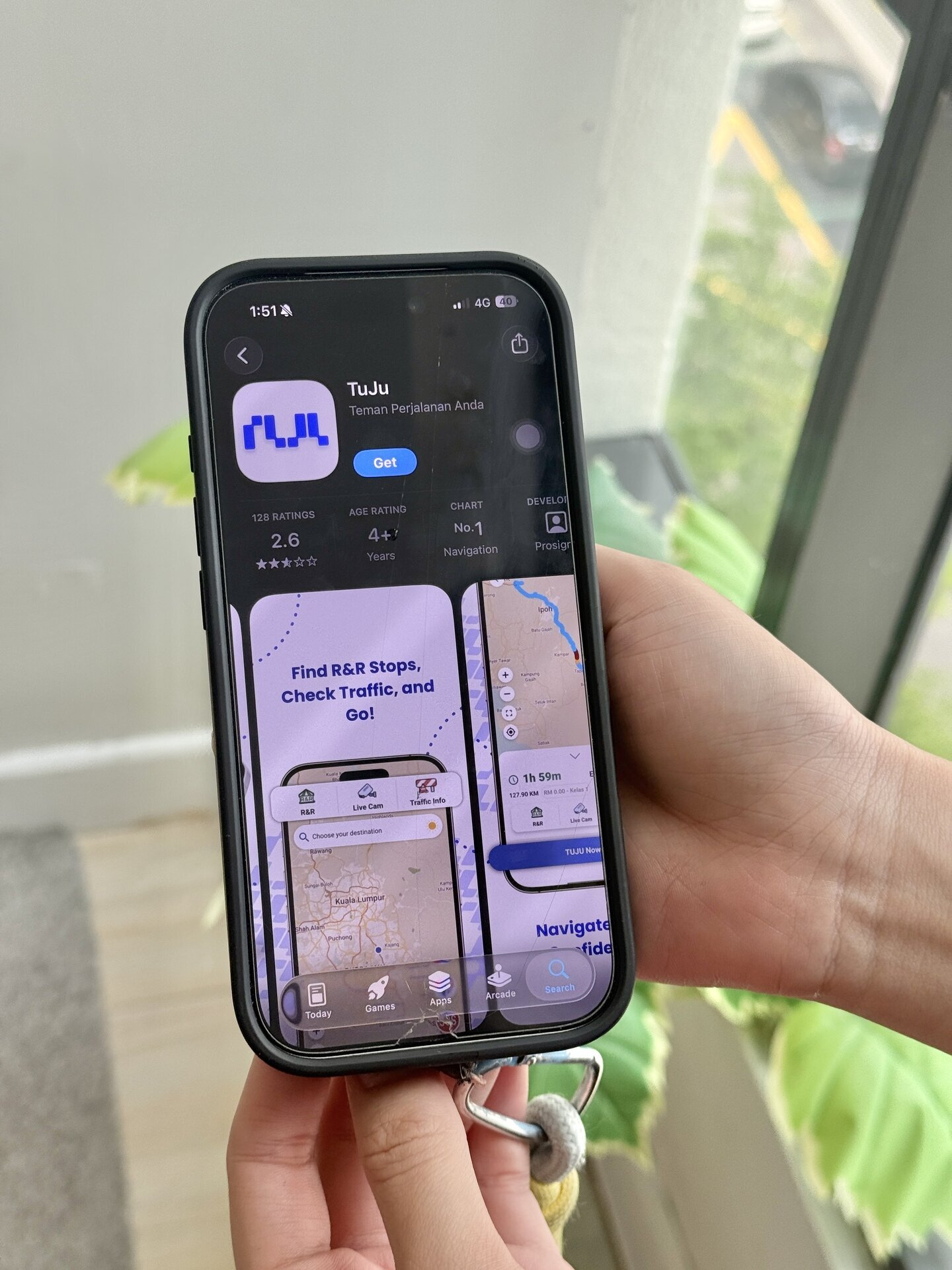
But in typical Malaysian fashion, the app was plagued with technical issues and an extremely confusing user interface (UI) which have left many frustrated.
‘National embarrassment’
In a strongly-worded statement by DAP leader Lim Guan Eng, he slammed the rushed and haphazard rollout of TuJu a “national embarrassment”.
While Lim acknowledged the government’s efforts in protecting citizens from security interests posed by foreign entities, he said there should be “proper due diligence and stringent testing” carried out to ensure TuJu functions equally as well as Waze.
“The user feedback so far is that relying on this TuJu device will make the user worse off. I have received complaints of Tuju’s ineffectiveness and that the government should not make it a compulsory replacement to Waze.
“Malaysians support replacing Waze applications that endanger security risks concerning information and data on citizens’ movements, when it is subject to the laws of the Israeli government, but not an application that is defective at best and a failure at worst.”
Called for accountability
Lim said it was abundantly clear that prime minister Anwar Ibrahim was poorly advised on the matter and urged the latter to reveal to the public how much money was spent to develop TuJu.
He added those who convinced Anwar that TuJu was capable of replacing Waze “should be punished”. He also questioned whether expert advice from professionals from US, Europe, China or Japan was sought.
“The Prime Minister should go back to the drawing board by asking the National Cyber Security Committee (NSC) to come up with a much improved TuJu version which can perform as an adequate replacement to Waze.

“How can the NSC be expected to do its job to ward off evolving cyber threats, strengthen the nation’s preparedness and digital sovereignty when it cannot even fulfil users’ road navigation needs?”
Earlier, it was reported that hundreds of users complained of encountering technical issues while using TuJu, prompting the Malaysian Highway Authority (LLM) to apologise and promise to make the necessary updates.
Waze has since responded to allegations of the app posing security risks, with a Waze Mobile Ltd spokesperson telling NST it was untrue.

Claims that Waze collects sensitive government information or allows any entity to exploit personal user data are completely false.
“Waze operates under strict privacy policies that protect user data and comply with global legal data protection standards.”
Read our (extremely) honest review on TuJu here:
TuJu Was Supposed To Be The New Waze. But I Ended Up Feeling More Lost Than Ever