SHAH ALAM - Losing a partner after decades together is not only a source of grief, but can also reshape the routines, emotions and direction of the life left behind.
Universiti Sains Islam Malaysia Counselling Programme senior lecturer in the Dr Nurhafizah Mohd Sukor said this happens when a partner who has been part of a person’s life for many years is suddenly no longer there, requiring time for the individual to adjust to a new reality.
She said individuals who lose their partners after decades together commonly experience feelings of loss, confusion and longing as their thoughts remain focused on the person who has passed away.
“Depending on a person’s age, the thoughts of someone who has just lost a loved one can also become easily disrupted, making it difficult to focus on certain matters as their mind remains preoccupied with looking for the person who is no longer there.
“This can create a sense of emptiness and leave the person feeling lost. Memory and attention can also decline when a person remains emotionally burdened by the loss of a beloved partner,” she told Sinar.
She said this when commenting on the recent passing of Tun Dr Hasmah Mohamad Ali.
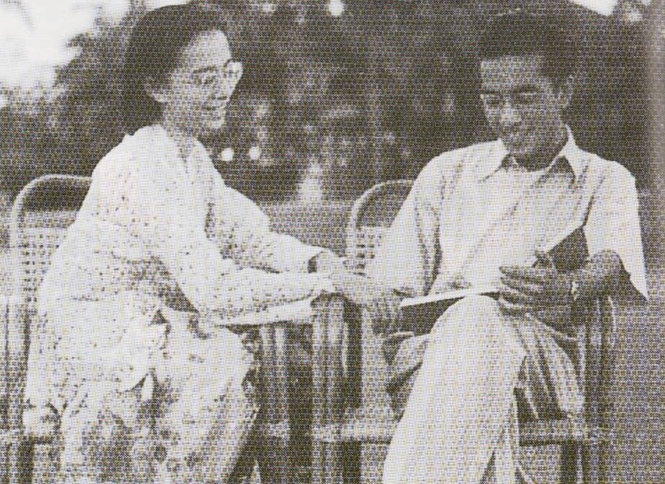
The late Dr Hasmah had been married to former prime minister Tun Dr Mahathir Mohamad for 70 years after their relationship began when they met at King Edward VII College of Medicine in Singapore in 1947.
Elaborating, Nurhafizah said physical health should also be given attention as deep sadness and longing can lead to loss of appetite, low energy and fatigue.
She said negative emotions could also disrupt sleep patterns and subsequently affect a person’s physical health.
“Taking care of one’s physical health is important to avoid the risk of developing other physical illnesses such as heart disease or high blood pressure.
“Emotional and social support from other family members is important, as the lack of such support can lead to feelings of depression and deep sadness. Feelings of loneliness and isolation may also develop due to changes in daily routines,” said Nurhafizah.
Meanwhile, she said individuals who lose their partners after decades together can still preserve the meaning of the relationship in their lives without becoming trapped in the sadness of the past.
She said an active coping process could be practised by accepting the loss of a loved one as part of life, a process that everyone will eventually go through.
“A person needs to express their feelings more openly rather than suppressing or denying them.
“In Tun’s case, close family members and those around her can play a role in creating an adaptive and meaningful environment by continuing to talk openly about the person who has passed away and accepting their absence.
“There can still be interaction and conversations about the person who has passed away as part of the process of understanding, accepting and adapting to the loss,” said Nurhafizah.
She said the active coping process was not intended to deny the absence of a loved one, but rather to help bring memories and cherished moments with that person into one’s life in a more meaningful way without becoming trapped in deep grief.
“Prayers, support from family and friends, continuing therapy, as well as writing, reading and creative activities that Tun M has been involved in can help in the process of coping with the loss,” she said.