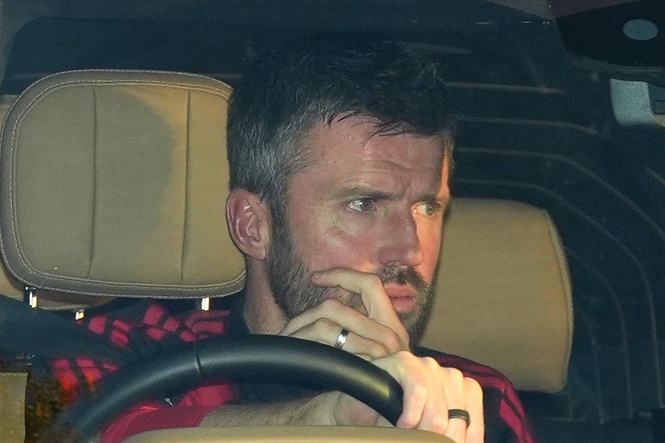
Manchester United’s decision-makers took the decision not to make a decision. Perhaps that was typical. If some of their failings in recent years have stemmed from the choices they have made, some have been the result of the times when they did not act.
And so, just when it felt inevitable they would sack Michael Carrick, they did not. Carrick was at Carrington on Monday along with chief executive Omar Berrada and sporting director Jason Wilcox. He took training on Tuesday. He will be in charge against Chelsea on Saturday and given the chance to turn an increasingly wretched situation around. It is all the more remarkable as Carrick appeared to have gone beyond the point of no return: on a run of eight games without a win, in consecutive defeats to Como and Bournemouth that were embarrassing surrenders, in a falling-out with Bruno Fernandes that saw the captain criticise the tactics and the manager respond by benching the reigning Footballer of the Year.
Perhaps it says something for Carrick’s character that he is still in his post. His calmness and essential decency are reasons why few – with Fernandes seemingly a notable exception – can take offence to him. Whereas Ruben Amorim was seen inside the club as erratic and emotional, the likeable Carrick, with his willingness to assume responsibility, is scarcely a toxic presence. On Friday, he said he was happy to serve as an “umbrella”. He could not shield Wilcox, Sir Jim Ratcliffe and the Glazer family from derogatory chants on Sunday; but the scrutiny on them would be still greater with a sacking and the confirmation another managerial appointment was a failure.
But maybe they took the wrong lessons from the scenes after the final whistle, the choruses of Carrick’s name and the Stretford End’s backing of him, which stood in stark contrast to the boos directed at his feckless players when the manager disappeared from sight. It seemed to come – from the fans anyway – with the implicit understanding it was a goodbye; they appeared to be thanking Carrick, the Geordie who became a United season-ticket holder, the man who made 464 appearances, won five Premier Leagues and played in three Champions League finals, who is a reminder of better times. But when United supporters do not turn on their managers, it does actually rely on the board to dismiss them.
And keeping Carrick in situ for a little longer could be giving him a thankless task. If there is little in the performance levels, or the apparent effort of his players, to indicate he will turn this around, the fixture list offers little optimism either. United go to Chelsea next; with a quick turnaround in a Champions League week, there may not be time to act after that. Then they face Roma, then Aston Villa, who are both in form. The cynical interpretation might be that they are sacrificing Carrick in the next three games, not giving him a chance for salvation. After that, United may be winless in 11, with perhaps four or even five defeats in the last five.
The international break can be a logical point to move on; thereafter, United have Liverpool and Sporting CP. The schedule still looks forbidding. The powerbrokers have put Carrick in an awkward position in other respects. He now faces a decision: whether to recall Fernandes, whether to try and repair relations. On Sunday night, that felt an issue for someone else.
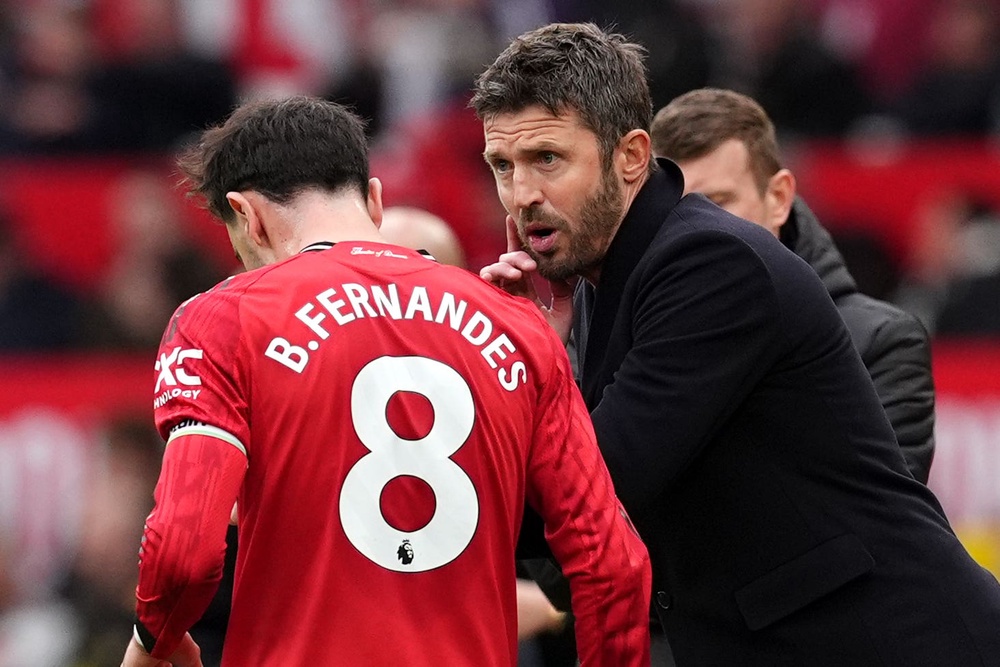
The United hierarchy may have frozen when they had to make a decision. If so, it would not be first time, perhaps because they always appear unprepared for what comes next. An oft-heard criticism is that they sack too many managers. It is true, yet truer that most should have been sacked sooner. The last two seasons have featured false starts because they ducked decisions.
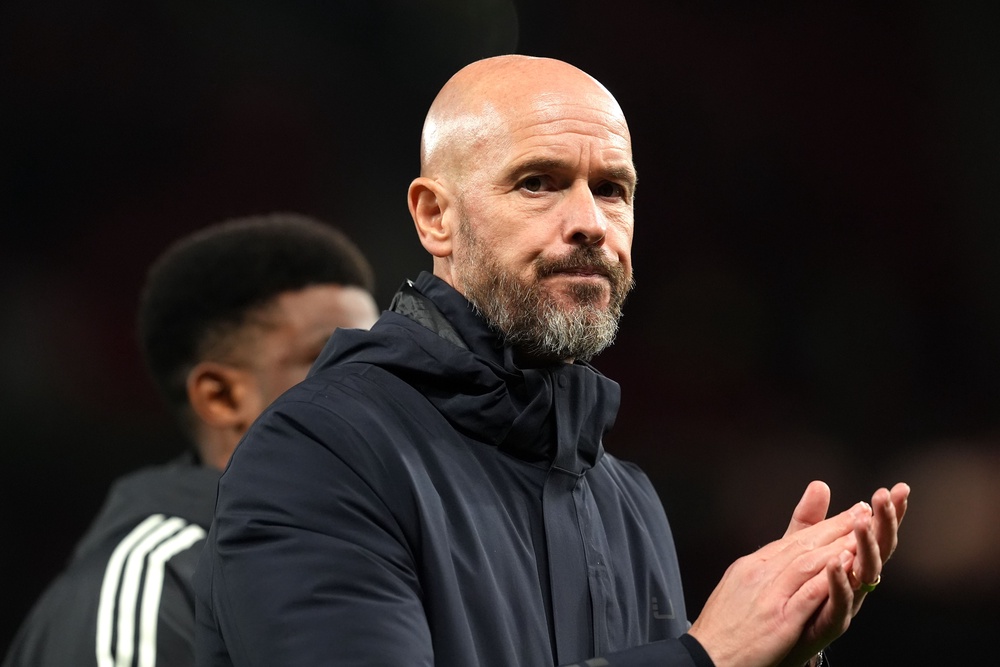
In the summer of 2024, they spoke to a host of other managers but, after winning the FA Cup, stuck with Erik ten Hag, giving him a new contract and new players. Somewhat predictably, they ended up sacking him in October.
In the summer of 2025, despite ample evidence from the final six months of the previous season and a 15th-place finish that was United’s lowest in more than three decades, they persevered with Amorim. He was gone in January, and if Carrick executed a fine rescue act then, there is no guarantee of a repeat.
Examine the Ineos era and, given the dismissals of Ten Hag and Amorim became obvious, when it is glaringly apparent the Portuguese was a mismatch – as Dan Ashworth thought, before they fired him – and there is a lone managerial decision they have got right: choosing Carrick for the final four months of last season. It was understandable, and meritocratic, that he was given a new contract in the summer, but it now looks a mistake.
Keeping Carrick a little longer may give the decision-makers longer to try and get the next appointment right, with Eddie Howe and Julian Nagelsmann both having their admirers inside Old Trafford and Antonio Conte interested. But little in their track record suggests they will get the decision right, or the timing of it.
Read MoreFurious Wayne Rooney rips into Man United players over vital missing quality
Why sacking Michael Carrick won’t fix Man United
Man United’s problems are much bigger than Michael Carrick – and much harder to fix