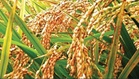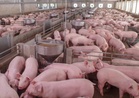
THE Department of Agriculture (DA) is considering millet as an alternative to corn for animal feed to lower livestock production costs and reduce exposure to weather-driven disruptions in feed supplies.
Agriculture Secretary Francisco Tiu Laurel Jr. said Tuesday that during his recent trip to India this month, he found out that millet, a group of small-seeded cereal grasses belonging to the Poaceae grass family, may be used as an alternative feedstock.
"I saw a possible solution to lower the food cost of our livestock. They (Indians) promote it, they use it in their livestock. Even if it is dry it can grow [even in] drought. It's [called] millet," Tiu Laurel said.
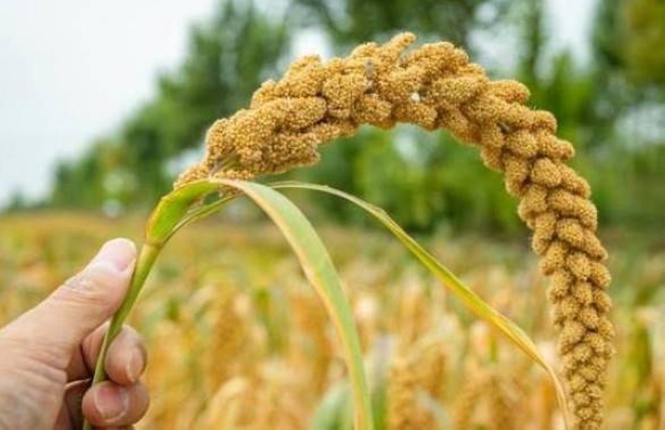
Millet is grown worldwide as a staple crop and for animal feed. It can grow in relatively dry conditions, generally requiring less water than corn. Different types include pearl millet (Pennisetum glaucum), proso millet (Panicum miliaceum), foxtail millet (Setaria italica), finger millet (Eleusine coracana), and tef (Eragrostis tef).
The Philippines also sources a significant volume of water buffalo meat from India, giving the DA chief’s visit a broader livestock and dairy dimension.
Developing other feed sources could give farmers and feed manufacturers more flexibility, although commercial adoption would still depend on yield, nutritional value, processing requirements, and cost, according to the DA.
The feed initiative also dovetails with the agency's efforts to expand the domestic carabao and dairy industries. Recently, the Philippine Carabao Center (PCC) launched a P237.9-million facility located in Muñoz, Nueva Ecija, dedicated exclusively to sex-sorting buffalo semen.
The initiative comes amid a significant domestic supply gap in milk output. Philippine milk production currently meets less than 5 percent of national demand, leaving the country heavily reliant on imported dairy products and breeding stock. Local production of sex-sorted semen could lower procurement costs, reduce exposure to livestock disease risks associated with foreign sourcing and provide breeding material better adapted to Philippine conditions.
Tiu Laurel said building domestic capacity for feed production and processing is key to strengthening the livestock industry.
“When communities can grow, process, and mill their own feed, we lower costs, raise productivity, and make our food system more resilient,” he said.
The combination of millet adoption and buffalo breeding initiative reflects the DA’s broader strategy of addressing livestock production costs from both ends by enhancing feedstock supply and expanding the domestic herd that produces milk and meat.