.jpg)
By Mihar Dias (C) Copyright October 2024
The recent announcement of a twinning initiative between Putrajaya and Shanghai has raised eyebrows and questions.
On the surface, such a pairing suggests a diplomatic gesture – a partnership that aligns Malaysia’s administrative capital with one of the world’s most powerful cities. Yet, we must consider whether this twinning offers substantive benefits for Malaysia, or if it is largely a symbolic act designed to bolster our image on the global stage.
A Tale of Two Cities
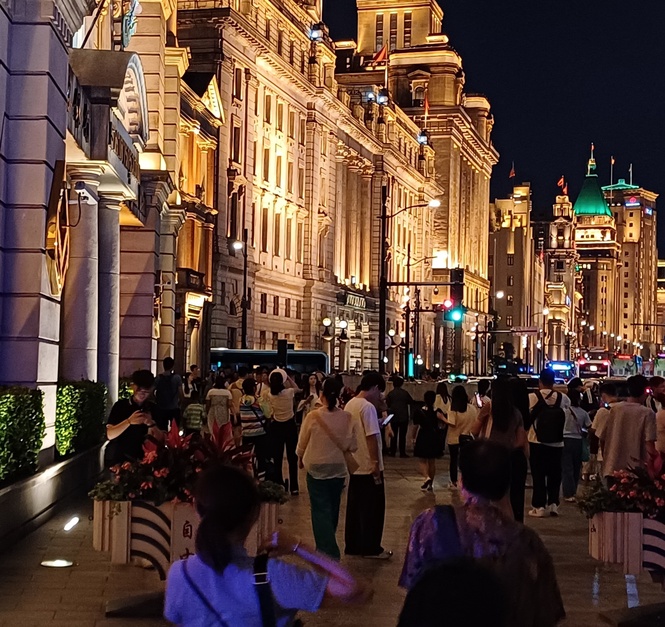
Shanghai, China’s glittering metropolis, is a global financial hub, boasting towering skyscrapers and a pulsating economy. It is a city that has transformed itself into a modern marvel, with international corporations and a thriving tech sector. Putrajaya, in contrast, is a carefully planned administrative capital. Designed for governance rather than commerce, it is far from Malaysia’s financial heart, Kuala Lumpur, and lacks the vibrancy and business ecosystem that characterizes Shanghai.
On paper, the twinning of these cities could represent Malaysia’s ambition to grow Putrajaya beyond its governmental role, potentially as a center of innovation or regional diplomacy. However, the question remains: is Putrajaya ready to match Shanghai in terms of economic dynamism, infrastructure, or international appeal?
Potential Benefits or Empty Promises?
Supporters of the initiative may point to potential collaborations in areas such as smart city technology, sustainable urban planning, or digital governance, given that both cities have prioritized these sectors. Shanghai’s expertise in these fields could provide valuable insights for Malaysia, especially if Putrajaya aims to modernize and improve its administrative efficiency.
However, the glaring disparity between the two cities' economic clout cannot be ignored. Shanghai's GDP dwarfs that of Putrajaya, and its industries are deeply interconnected with global supply chains. What, realistically, can Putrajaya offer in return? The worry here is that the twinning may be a lopsided relationship, where Malaysia ends up a passive recipient of Chinese influence without clear benefits flowing back.
Moreover, with China's assertive presence in Southeast Asia, twinning could be interpreted as part of a broader geopolitical strategy. Beijing has long sought to extend its influence through initiatives like the Belt and Road Initiative (BRI), and Malaysia, though eager to maintain cordial ties, must tread carefully. If the twinning of Shanghai and Putrajaya signals deeper alignment with China, what does that mean for Malaysia's balancing act between major powers?
The Shadow of Sovereignty
The twinning of cities often carries diplomatic undertones. By partnering with Shanghai, Malaysia could be signaling a deeper commitment to China’s orbit, which may alarm other regional players and trading partners. There’s already sensitivity around Malaysia’s involvement in Chinese-backed projects, from infrastructure developments to investments in critical sectors. While the twinning may be positioned as a benign cultural exchange, the implications of deepening ties with China at a time when global tensions are rising should not be ignored.
The most pressing question is whether Malaysia’s leadership has carefully weighed the potential risks of becoming too reliant on China, economically or politically. With Malaysia recently making diplomatic overtures to other major powers and defending its claims in the South China Sea, closer ties with Shanghai might raise suspicions that Malaysia is drifting closer to China’s sphere of influence.
Moving Forward or Stuck in Symbolism?
Ultimately, the success of this twinning initiative hinges on whether it translates into tangible benefits for Putrajaya and, by extension, Malaysia. Will it open doors to new investments, technological cooperation, and enhanced governance? Or is this simply a vanity project to show that Putrajaya can sit at the table with the likes of Shanghai?
It is crucial that this twinning does not become just another hollow gesture, lacking strategic depth. If done right, it could elevate Putrajaya’s profile on the international stage and offer valuable opportunities for growth. But if the focus remains on superficial exchanges, the only thing Malaysia may gain is a fancy title for its capital – one that lacks the substance to back it up.
As Malaysia contemplates this new chapter, our leaders must ensure that the twinning serves national interests, rather than becoming a mere nod to diplomatic etiquette. After all, a twin should be an equal, not a subordinate.

Mihar Dias is a content creator under the Newswav Creator programme, where you get to express yourself, be a citizen journalist, and at the same time monetize your content & reach millions of users on Newswav. Log in to creator.newswav.com and become a Newswav Creator now!
The User Content (as defined on Newswav Terms of Use) above including the views expressed and media (pictures, videos, citations etc) were submitted & posted by the author. Newswav is solely an aggregation platform that hosts the User Content. If you have any questions about the content, copyright or other issues of the work, please contact Newswav.


