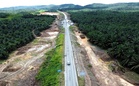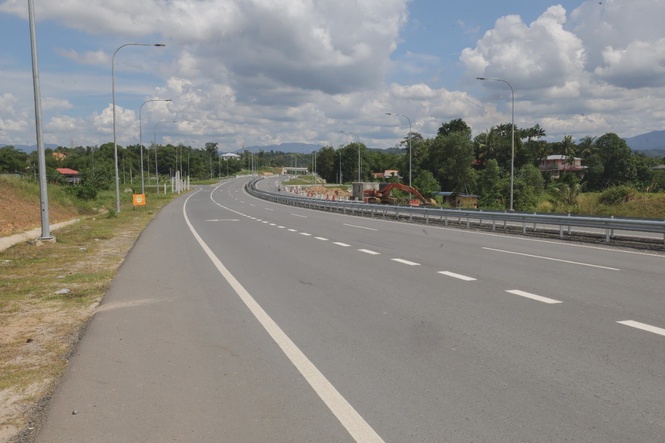
KUALA LUMPUR: Delays to the Pan Borneo Highway Sabah Phase 1 project were caused by a combination of changes to its implementation model, the Covid-19 pandemic, land acquisition issues, utility relocation and poor contractor performance, the Works Ministry said today.
Works Minister Datuk Seri Alexander Nanta Linggi said the project was initially implemented under the Project Delivery Partner (PDP) model before the government decided to terminate the agreement in 2018 in the national interest and subsequently switch to conventional implementation.
READ MORE: Only four of 35 Sabah Pan Borneo work packages completed – AG Report
He said the change resulted in delays as new procurement processes had to be undertaken, with contracts for all 15 work package contractors (WPCs) under Phase 1A only being awarded in 2021.
“The termination resulted in delays in project implementation involving other procurement processes that had to be complied with,” he said during the winding-up debate on the Auditor-General’s Report 2026 in the Dewan Rakyat.
Nanta said the Covid-19 pandemic further disrupted construction activities, resulting in delays as well as labour and raw material shortages and supply chain and logistics disruptions.
However, he said land acquisition remained another major challenge, particularly due to the limited capacity of the Sabah Land and Survey Department (JTU), which had only seven valuation officers handling assessments across the state.
Utility relocation also contributed to delays, with the readiness of utility companies to carry out relocation and installation works affecting construction progress.
He added that some utilities could not be relocated as the related land acquisition issues had yet to be resolved.
Nanta also acknowledged that underperforming contractors had been identified as one of the causes of the delays.
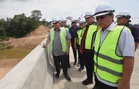
He said Sabah Public Works Department (JKR) officers had been instructed to conduct regular site inspections, scrutinise daily work diaries, coordinate with relevant parties and ensure contractors complied with agreed recovery plans.
“The ministry takes this issue seriously and will continue to closely monitor the implementation of the project,” he said.
As of Aug 25, four of the 35 work packages under Phase 1 had been completed, while the remaining packages recorded varying levels of physical progress.