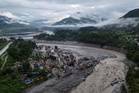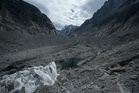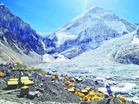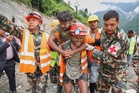
THE dramatic consequences of climate change are in focus lately, as evidenced by the massive glacial flood that tore through communities in Nepal and Tibet. Indeed, the rapid melting of the high glaciers in the Himalayas is warming at a much faster pace than in most of the rest of the world.
In a completely different way, the Philippines experienced extreme climate-induced volatile weather affected by the combined southeast monsoon and tropical storms/typhoons stretching across Luzon, Visayas and Mindanao.
Bulacan, Pampanga, Zambales, Tarlac, Pangasinan and other low-lying areas of Central Luzon were repeatedly inundated as rivers rose and dams released water. In Metro Manila, major roads in Parañaque, Las Piñas, Quezon City, Caloocan, Pasig, Valenzuela, Marikina and Mandaluyong were flooded with chest-high water and submerged highways. Even concrete houses of strong materials along river banks were washed away by strong currents of floodwaters which exposed knee-high mud strewn with household wastes, mostly plastics, when floodwaters subside.
Indeed, the increasing number and severity of natural disasters is in the news in many countries around the world. Floods drove people from their homes seeking shelter somewhere. No wonder climate refugees are on the rise.
By the way, wading or walking unprotected in filthy floodwaters have reportedly given rise to numerous cases of the dreaded leptospirosis that led to hospitalizations and confirmed deaths.
In the midst of warnings about waterborne diseases brought by incessant and heavy rains and floods came the health-related media advice to Metro Manila residents to wear double face masks to counter the respiratory system effects of transboundary haze from the burning forests in Kalimantan, Indonesia.
Quite a number are also victims of drought. Flooded rice fields are turning into deserts or becoming permanent lakes. Add to the scenario the wildfires and pandemics plus the psychological, behavioral and social crises that ensue.
Global warming is a slow-motion emergency, and the crisis is upon us now. In that connection, the UN Climate Secretariat is calling for a “Race to Zero” reduction of emissions of climate-changing greenhouse gases by 2050. The race is not only against emissions but also against time.
According to the International Energy Agency, one reason is that by 2050, around 9.7 billion people will be populating the Earth. They will need space to live, work and play, causing a disproportionate growth in demand for buildings which ultimately means a rise in energy use or consumption and emissions.
This leads to focus on activities, i.e., energy efficiency planning which include, but is not limited to, urban planning, building management, sustainable building materials, climate resilience and clean energy.
Some countries provide grants for construction measures that reduce energy demand by 40 percent compared to conventional technologies. The grant ensures economic visibility of energy saving measures and provides incentives for widespread implementation. In that regard, Mexico went a step further. Real estate developers are given financial incentives so they can increase energy efficiency in new buildings, thus reducing greenhouse gas emissions.
Conclusion
From heat waves to typhoons to floods to fires to massive glacial melts, global climate change seems to be crashing around us.
Scientists have been calling for this shot for decades — the consequence of continued pumping of greenhouse gases into the atmosphere, trapping the heat that flows from the sun and raising global temperature.
Former United States vice president Al Gore and his climate change work “An Inconvenient Truth” is generating a lot of buzz after a lull of some years. His filmed climate change study and forecasts compensates by conveying both the hard science of global warming and his particular passion for the topic of how to adapt to a changing world.