Nearly 40% of the waste Malaysians send to landfills could have been recycled, according to SWCorp figures reported by The Star via Asia News Network. The good news is that recycling in Malaysia is on the rise, with the national rate climbing from 35.38% in 2023 to 37.9% in 2024, and every household that sorts its rubbish helps push it higher.
In many parts of the country, separating waste at home is not just a good habit but a legal requirement. Here is what you need to know, as of November 2026.
Where Is Separation at Source Required?
Separation at source is enforced under the Solid Waste and Public Cleansing Management Act 2007 (Act 672). The Act applies in the Federal Territories of Kuala Lumpur and Putrajaya, and in Pahang, Johor, Melaka, Negeri Sembilan, Perlis and Kedah, where SWCorp oversees waste collection. Other states run their own systems through local councils, but the same sorting habits apply everywhere.
6 Simple Rules for Recycling at Home
1. Keep Paper Clean and Dry
Paper is its own category. That includes newspapers, magazines, cardboard boxes, receipts and drink cartons. The key is that paper must be clean and dry, because wet or greasy paper, such as a used pizza box, contaminates the rest and usually ends up in landfill.
2. Rinse Plastics Before Sorting
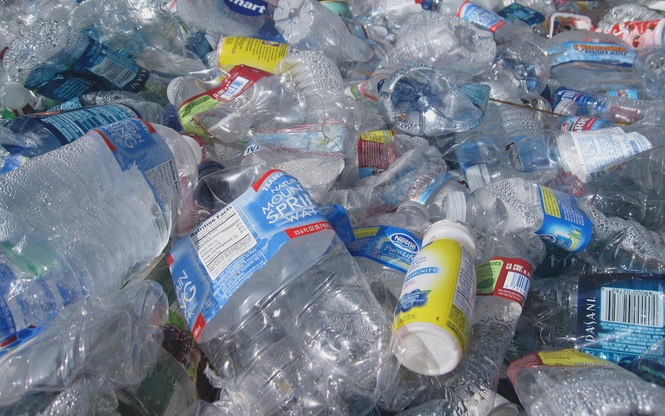
Plastic bottles, bags, food containers and old toys go into the plastic category. Give food containers a quick rinse first. Plastics make up 20.55% of landfill waste and are the biggest recyclable share of any material, so this is where households can make the most difference to recycling in Malaysia.
3. Sort “Others” Into Groups
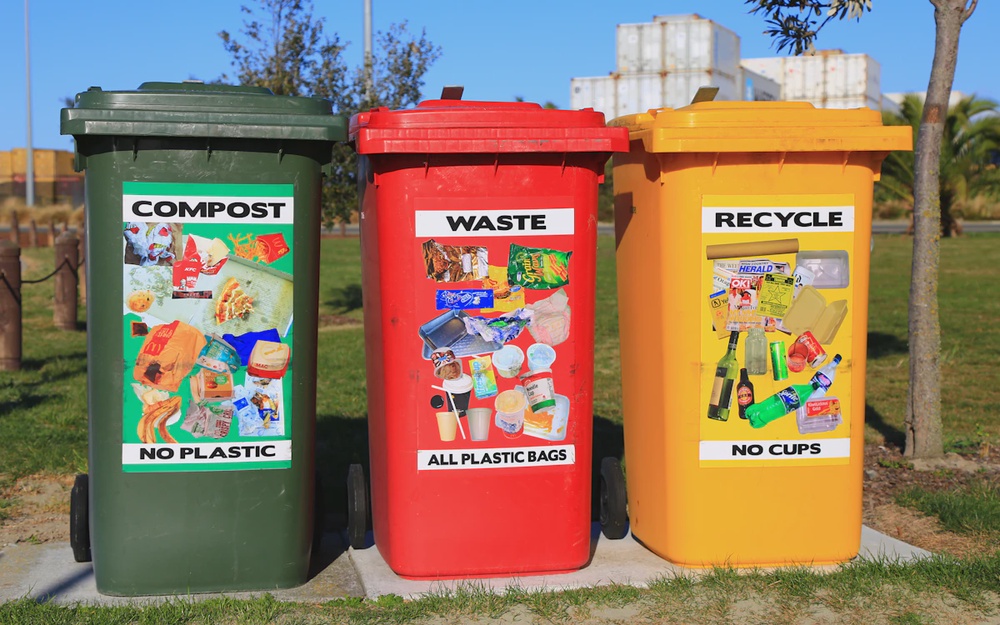
The third category covers other recyclables and special items, packed separately by type: glass and ceramics; aluminium and metal; electronics such as batteries, cables and bulbs; fabric, shoes, rubber and leather; and hazardous items such as aerosol cans and paint tins. Bulky items like furniture and large appliances, and garden waste, are handled on their own.
4. Only Residual Waste Goes in the Bin
Residual waste is everything that cannot be recycled, such as food scraps, tissues and nappies. Tie it in a plastic bag and place it inside your rubbish bin. This is the only category meant for landfill. From 2026, food waste is also being counted in the national recycling rate calculation, so composting at home is another way to help.
5. Put Recyclables Out on the Right Day
Recyclables are placed outside the bin, in a bag or container, on collection day. A Time Out Kuala Lumpur guide notes that recyclables are collected once a week and residual waste twice a week, with days varying by area. Check your local schedule with SWCorp or your concessionaire.
6. Know the Compounds
In Kuala Lumpur and Putrajaya, enforcement began in 2024, The Star reported. Owners of landed homes face compounds of RM50, RM100 and RM500 for first, second and third offences. For apartments and condominiums, the joint management body or management committee faces RM100, RM200 and RM500. Unpaid compounds can lead to prosecution and fines of up to RM10,000.
More Places for Recycling in Malaysia
Recycling in Malaysia does not have to rely on kerbside collection alone. The number of recycling centres registered under Act 672 rose from 5,589 in 2024 to 6,152 in 2025, according to SWCorp. Ask your residents’ association or local council where the nearest one is.
To boost recycling in Malaysia further, SWCorp has also said it plans to expand reverse vending machines, food waste programmes and stronger household separation efforts in 2026, alongside promoting Extended Producer Responsibility, where brands take more responsibility for their packaging.
Small Habits, Big Impact
Start simple: keep two or three boxes or bags in your kitchen or store room, label them, and make sorting part of your routine. Teach children which item goes where. Within a few weeks, it becomes second nature, and your household sends far less to landfill. If you want to go further, our Solar ATAP homeowners guide covers another way to make your home greener.
For official guidelines on separation at source and collection schedules, visit SWCorp’s official website.
The post Recycling in Malaysia: 6 Simple Rules for Separating Your Waste appeared first on RISEMALAYSIA.my.