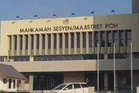
Kota Kinabalu: The Sabah Police Gallery officially opened its doors to the public on Thursday, showcasing hundreds of historical police artefacts at the Sabah Police Contingent headquarters dating back to the colonial era.
“Today marks the beginning of this gallery being opened to the public for visits to view the history of policing in Sabah,” said Sabah Police Commissioner Datuk Jauteh Dikun after the ribbon-cutting ceremony with his wife, Sabah Police Perkep Chairperson Datin Nurhayatie Farhana Abdullah.
“We welcome the public to come and see for themselves the development of policing history in Sabah,” he added.
The gallery is located within the Sabah State Police Contingent Headquarters in Kota Kinabalu.
Pupils from SK Kepayan were among the first members of the public to visit the gallery on opening day, accompanied by their teachers.
The gallery is one of three major police galleries in Malaysia, the others are the Galeri Darurat Bukit Kepong in Johor and the Inspector General of Police Gallery in Kuala Lumpur.
For the record, the Sabah Police Gallery was officially launched on March 25, 2026, in conjunction with the 219th Police Day celebration and was developed through the Sabah State Government funding by converting an old administrative building into a police history exhibition centre.
It is understood the gallery building used to be the State Criminal Investigation Department office.
The gallery houses hundreds of items and exhibits, with the history of the police force traced back to the North Borneo Armed Constabulary in 1881 through to the present day.
“Among the items on display are typewriters, communication devices and weapons, along with the history of major events that took place in Sabah from the colonial era until now,” Jauteh said.
He said the gallery also features depictions of how significant events unfolded in Sabah, including weapons used during bloody incidents, particularly the 2013 Ops Daulat incursion in Tanduo, Lahad Datu.
Other exhibits is the original Cobbold Report document, an official record that examined administration, security and social development during the colonial era.
The document serves as an important source for understanding the policies and decisions that shaped the early landscape of Sabah.
Jauteh said individuals and groups wishing to visit must first contact officers in charge to arrange an appointment or set a visit date, as the premises is within a restricted area requiring documentation under security procedures.
He said a decision on whether to impose an admission fee would be made later, based on the impact of visits to the gallery.
The gallery is open Tuesdays to Fridays, from 8 am to 5 pm, with admission currently free. Visitors are required to register at the main gate before entering.