.png)
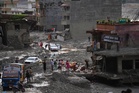
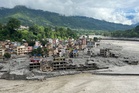
MORE than 1,000 people have been killed in devastating floods and mudslides across Nepal and Tibet, while hundreds remain missing as rescue teams continue searching remote and badly damaged areas.
China reported 16 deaths and 546 people missing in Tibet after floods swept through parts of the region on Aug 26, destroying villages and damaging roads and other infrastructure.
In Nepal, Prime Minister Balendra Shah said at least 939 people had died, putting the combined reported death toll across the two countries at more than 1,000.
The disaster has left rescue teams facing damaged roads, disrupted communications, unstable terrain and the threat of further rainfall.
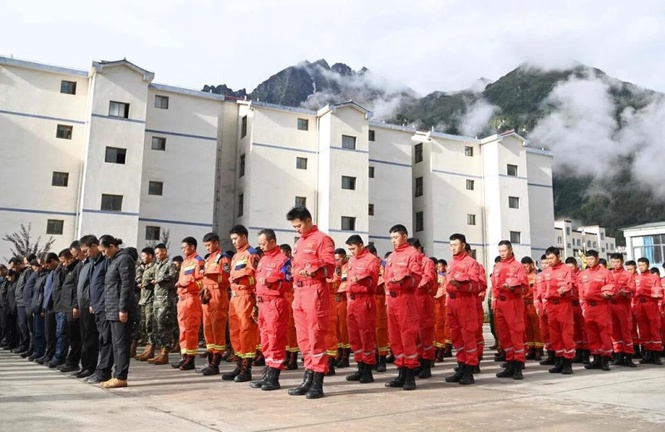
In Tibet, emergency workers, officials and residents held memorial services on Sept 1 for those killed in the disaster.
Gyirong county, the worst-affected area, held several services, including at rescue sites, China's official Xinhua news agency reported.
“Rescuers, local officials and residents stood in silence to mourn the victims,” it said.
Images released by state broadcaster CCTV showed soldiers, doctors and rescue workers observing a moment of silence near excavators and a swollen, muddy river.
Tibet remains largely inaccessible to foreign journalists, making independent assessment of the scale of the destruction difficult.
Chinese rescuers were working around the clock to reopen a major highway leading to the Gyirong Port border crossing, which has been cut off by the disaster.
The mudslide disrupted power supplies and damaged sections of the highway, hampering the movement of emergency personnel and supplies.
Experts have warned that significant rainfall could hit the Gyirong area in the coming days, potentially complicating rescue efforts.
China is also sending a second batch of relief supplies to Nepal, including drones, DNA testing equipment, water purification systems and lighting equipment.
“China will firmly stand with Nepal, working hand-in-hand to overcome these trying times, showing neighbourly friendship through concrete actions,” Chinese Foreign Ministry spokesman Guo Jiakun said.
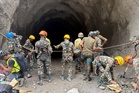
In Nepal, rescuers are concentrating on remote hydropower stations where hundreds of workers remain trapped nearly a week after the disaster.
Shah said more than 11,000 people had been rescued across affected areas, while electricity and communications had been restored in some locations.
About 600 people remain stranded at several devastated hydropower stations, which have become a major focus of the rescue operation.
Shah added 279 workers had been rescued from hydropower projects where authorities estimated that close to 1,000 people had been trapped.
Rescuers have built temporary bridges and restored roads to reach isolated communities, while teams have been digging through mud and debris at damaged hydropower facilities.
Police official Bipin Regmi said a search team recovered 24 bodies from a house in Betrabati village in Nuwakot district.
“We are reaching new areas and recovering bodies,” Regmi told Reuters.
Road access to Nuwakot, one of the worst-hit districts, has also been restored, allowing rescue teams to expand operations and relief supplies to reach affected communities.
Shah said more than US$42 million in aid had been provided or pledged following the disaster, with further contributions expected. India and China are assisting Nepal's rescue efforts, including by building Bailey bridges to reconnect remote areas.
The disaster has also highlighted the risks facing Nepal's rapidly expanding hydropower industry, much of which is located in mountainous areas vulnerable to landslides, flooding and other extreme weather.
Shah said the catastrophe demonstrated the growing risks facing the Himalayan region and called for greater international attention to climate-related disasters. “The region must therefore remain vigilant. The time has come for us to strongly raise before the international community the disasters we are experiencing as a consequence of climate change.”.
China's state broadcaster said the Aug 26 disaster was caused by glacier instability linked to the long-term effects of global warming. With hundreds still unaccounted for and rescue teams continuing to reach previously inaccessible areas, the final human and economic toll of the disaster is expected to rise. - September 1, 2026