.png)
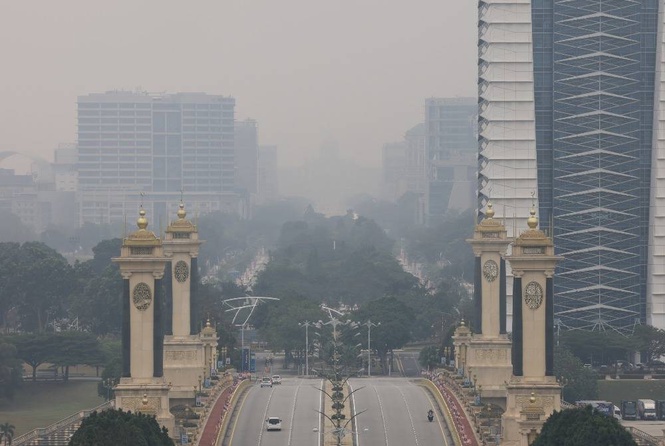
SHAH ALAM – Malaysia’s air quality crisis shows no signs of abating as dense smog continues to blanket major regions, with the Environment Department's MyEQMS portal recording 17 monitoring stations nationwide in the unhealthy tier as of Aug 26.
The prolonged haze episode has hit Sarawak and the Klang Valley exceptionally hard, with Sri Aman logging the highest Air Pollutant Index reading in the country at 167, closely followed by Serian at 166, Samarahan at 162, and Nilai matching at 162.
Densely populated areas across Selangor, Kuala Lumpur, and Putrajaya remain smothered under persistent pollution, with Cheras and Putrajaya both posting unhealthy readings of 159, alongside elevated levels in Shah Alam, Johan Setia, Batu Muda, and Klang.
Environmental authorities attribute this widespread deterioration to prolonged dry spells linked to the El Nino phenomenon, suppressed rainfall, and regional transboundary smoke combined with domestic peat and forest fires.
As health authorities urge the public to exercise caution amid rising respiratory complaints, taking immediate, practical lifestyle measures can significantly reduce particle inhalation and safeguard your well-being.
Here are seven steps to protect yourself and your family during this period of severe air pollution.
Track Real-Time Pollution Levels Before Stepping Outdoors
Before stepping outside or planning any daily activities, checking your official local air pollution index via MyEQMS portal or local APIMS is a vital first step. Health authorities strongly recommend monitoring live readings to understand particle concentration levels in your immediate vicinity.
Staying informed allows you to adjust your routine dynamically throughout the day as environmental conditions shift.
Keep Doors Closed And Recirculate Indoor Air
Maintaining a clean indoor sanctuary requires keeping all windows and exterior doors tightly closed while pollution levels remain elevated outside. If you are operating air-conditioning units, configure the system strictly to recirculation mode rather than drawing in unrefined outside air.
This simple measure prevents fine outdoor dust and transboundary particulate matter from permeating living rooms and workspaces.
Deploy High-Efficiency Air Purifiers Indoors
Running portable indoor air purifiers equipped with authentic High-Efficiency Particulate Air filters provides an extra layer of active defense.
These specialised filtration systems capture fine airborne dust particles, smoke, and particulate pollutants that manage to seep indoors. Placing purifiers in frequently occupied spaces like bedrooms ensures cleaner breathing zones overnight.
Wear High-Filtration Respirators Outdoors
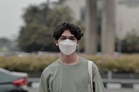
Standard cloth masks and basic surgical masks are completely inadequate because they lack the necessary tight fit and dense filtration to block microscopic fine particles. When spending extended periods outdoors is unavoidable during high API spikes, wearing a properly fitted N95, KN95, or KF94 respirator offers essential protection.
Ensuring an airtight seal against the face ensures fine particulates are successfully intercepted before reaching the respiratory tract.
Suspend Outdoor Physical Workouts
Engaging in strenuous outdoor exertion such as running, cycling, or heavy sports forces your lungs to intake significantly larger volumes of air per minute. Deep breathing during intense physical activity effectively pulls fine pollutants deeper into lower lung tissues.
Shifting exercise routines to indoor spaces or opting for gentle home workouts reduces total respiratory exposure.
Increase Daily Fluid Intake And Antioxidants
Drinking generous amounts of water throughout the day assists your body in naturally clearing physical irritants from your throat and nasal passages. Concurrently, incorporating a diet rich in antioxidant nutrients helps counter cellular inflammation caused by airborne toxins.
Consuming fresh citrus fruits, berries, and leafy green vegetables boosts natural systemic resilience during prolonged pollution periods.
Practise Targeted Precautions For Specific Vulnerable Groups
Individuals living with pre-existing respiratory conditions like asthma or chronic obstructive pulmonary disease should keep their prescribed relief inhalers readily accessible at all times. Parents should note that standard adult respirators do not seal properly on small faces, making remaining indoors the safest defense for young children.
Healthy adults experiencing minor eye irritation can soothe discomfort by washing their eyes with sterile saline solution.