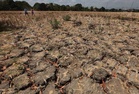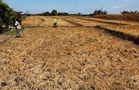
PAGASA has warned of an intensifying Super El Niño, which could persist from October 2026 and peak toward the first quarter of 2027. It is described as an exceptional warming of sea surface temperatures to almost 2 degrees Celsius in the central and eastern Pacific Ocean. Such record high temperatures in the oceans are attributed to global warming borne by the release of greenhouse gas emissions (GHG) in the planet’s atmosphere. A huge pool of warm ocean water evaporates into the clouds and unleashes heavy downpours, resulting in severe storms, flooding, and rising sea levels. This is followed by prolonged dry spells and droughts that could adversely affect water supply, agricultural production and public health. Super El Niño could unravel the country’s political stability with people’s dissatisfaction rising due to food shortages and inadequate power and water supply.
Such a climate change impact has alarmed President Ferdinand Marcos Jr.’s administration as he called upon all agencies to prepare and anticipate the effects of Super El Niño. These measures could include geographical mapping of vulnerable irrigation systems, planting drought-resistant crops, providing earlier farm inputs and machineries, identifying ground water sources, promoting rainwater harvesting and even preparing for forest and wildfires. In fairness, the Marcos administration has front-loaded agricultural and climate change mitigation programs across agencies in the proposed 2027 national budget. Yet, the central issue is how consciously aware and prepared the whole-of-government is, particularly local governments, of the catastrophic effects of Super El Niño in coming months.
The troubling questions remain — are the plans and programs to address Super El Niño set in place? Are local governments which are most vulnerable to climate change being mobilized? Have we bridged the gap between data and information on water inventories, drought maps, and available irrigation facilities and Super El Niño contingency and implementation capacities? Furthermore, are military, police and security agencies prepared for any destabilization scenario of potential unrest, popular uprising or coup because of inflationary pressures brought by food insecurity and widespread drought?
Super El Niño would likely influence the 2028 national and local elections, which are scheduled almost 18 months later. Despite it being a non-controllable climate phenomenon, we can’t blame the Filipino voters for blaming the Marcos administration for the high prices of rice, vegetable, meat, poultry and other staple products. Water supply would be another visible political issue, since water shortage is expected to happen across millions of households in Metro Manila, Luzon, Visayas and Mindanao. Farmers and fisherfolk will be hard-hit by prolonged drought, costly farm inputs and higher diesel prices. And the inflationary pressure on electricity, kerosene and gas would affect us all.
Super El Niño is also consequential toward the 2028 elections.
Opposition candidates would have a field day shifting the accountability of Super El Niño to the current administration’s laggardness, ineptness and short-sightedness. They will personally blame President Marcos’ lack of anticipatory moves to mitigate Super El Niño when he had the clear advice and adequate runway to ease the pain of the Filipino people.
In the March 2026 WR Numero survey, Vice President Sara Duterte continued to lead the race at 36 percent, followed by other prospective candidates like Sen. Raffy Tulfo at 19 percent and Naga City Mayor Leni Robredo at 16 percent. The June-to-July 2026 Pulse Asia survey reported that Duterte still has the upper hand at 49 percent, followed by Robredo at 26 percent and Tulfo at 14 percent. These are mere snapshots of voter preferences, but they show how Super El Niño could drive the political trajectory of specific candidates in the 2028 elections.
However, there could still be a chance for the Marcos administration to reverse the Dutertes’ rise to power if they effectively respond and manage the Super El Niño crisis and its potential ruptures to Philippine society. With this administration’s track record for anticipation, however, Duterte's comeback is becoming a sad reality for her opponents. And the impeachment proceedings must be concluded before the end of October 2026 to avert the wrath of the Filipino people who are fed up with partisan politics that divert the nation from its real problems. This fury can further be inflamed by enemies of the State if the adverse effects of Super El Niño whiplash on the lives of ordinary people.
Super El Niño is now a political, economic and environmental gamechanger in the next 2028 elections. It is a wait-and-see attitude as to how President Marcos deals with both intersecting national crises. But one thing seems apparent — the president has survived many crises in his life, despite the claims of naysayers.
And I think he will.