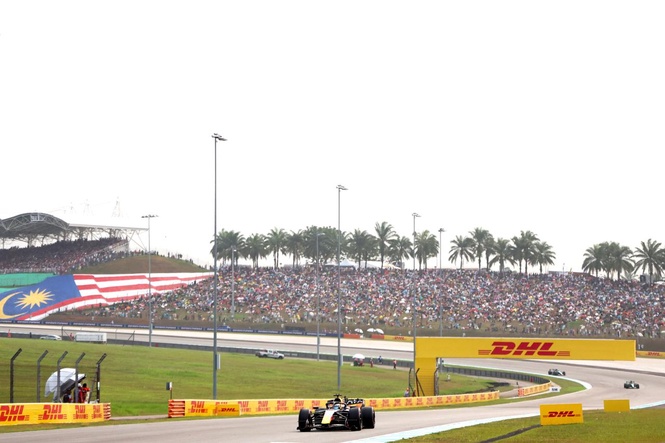
‘Epic’.
I’m not allowed to use expletives, even in a positive context so I will use this word the folks running the F1 app chose to describe the race at Sepang.
Alongside more than a hundred thousand fans, I heard the piercing engines, smelt the burning rubber and witnessed drama unfold.
The start was delayed when the heavens opened. Torrential rain delayed the start by 90 minutes, not unusual for the Malaysians who are used to plans going awry with a downpour. When the race finally got going, it was worth every minute of the wait. By the end of it, the fans were chanting ‘Bring Sepang back’.
That any of us were there is remarkable. Formula One confirmed only on 26 July that the Bahrain Grand Prix, cancelled in April after war broke out in West Asia, would move to Sepang, and the circuit closed for refurbishment only on 7 September. Malaysia delivered, and that deserves saying before the post-mortems harden into a narrative.
Malaysian fans did their part, and then some. Sepang sold about 105,000 three-day tickets, the most in its history. Many bought them while haze still blanketed the Klang Valley and the weekend itself looked uncertain. The haze cleared in time, and Max Verstappen, who had called Sepang a great track, won from pole, nine years after his first victory here.
Nine years is a long wait for the fans too
Plenty in the stands could not name half the grid, and came for the atmosphere, or because their friends were going and the FOMO was real. That is perfectly fine. A modern Grand Prix is built as much for a new generation of fans, many of them drawn in by social media and Netflix, as it is for the purists who remember the time when Schumacher was in red and Hamilton wasn’t.
The country also received exposure that no tourism budget could buy. After Baku, George Russell, Alex Albon, Carlos Sainz, Oscar Piastri, Oliver Bearman and Gabriel Bortoleto turned a stopover in Langkawi into an impromptu training camp, and their karting, hiking and island trips spread across social media.
Ferrari, McLaren, Audi, Haas and Aston Martin filled their channels with Kuala Lumpur. Netflix's Drive to Survive cameras were in the paddock, so the weekend will reach a fresh global audience when the next season airs.
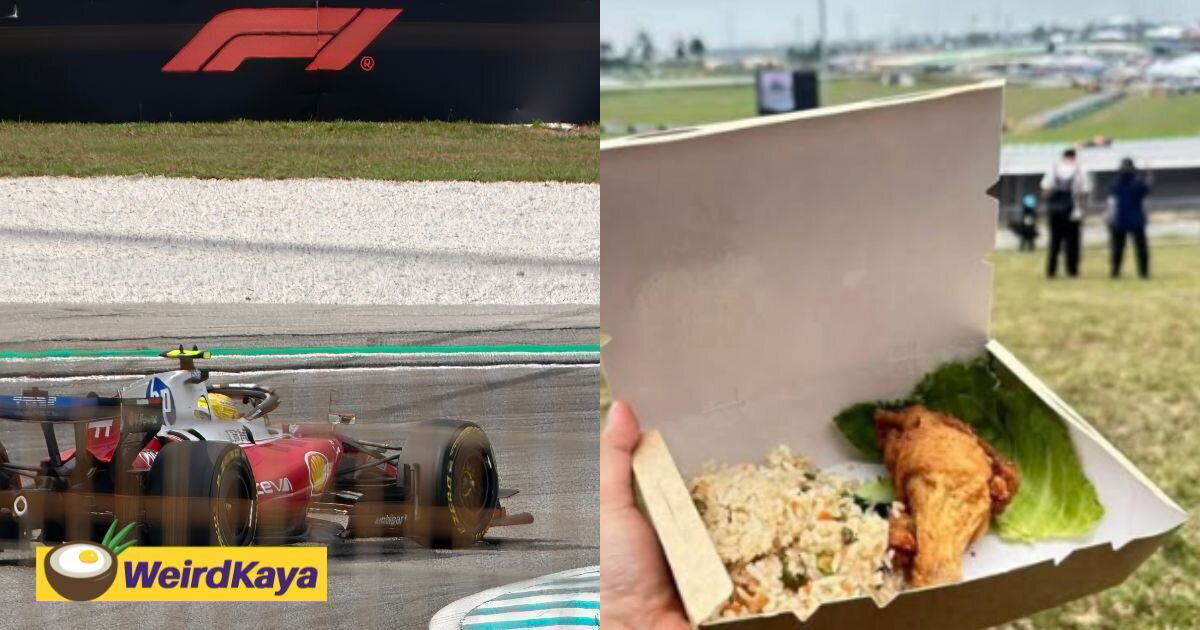
Things did not start well on Friday. Fans waited for hours for shuttles after practice. Many walked along the expressway's emergency lane rather than keep waiting. Drinking water was hard to find, and food and drink options inside the circuit were too limited for crowds of this size. Parking passes had to be collected in advance from a Bahrain counter at Mitsui Outlet Park, which confused many.
Much of this traces back to the structure of the deal. This is Bahrain's race on Malaysian soil.
The Bahrain International Circuit (BIC), the promoter of record, held ticketing and the transport plan, and Rapid KL said its buses ran exactly as agreed with the organiser. The Sepang International Circuit (SIC), which runs MotoGP every year, had little authority over what fans were complaining about.
By Saturday morning there were dedicated shuttle lanes, more staff, marshals and police on the ground, and KLIA Ekspres running until 1am. Officers from Bukit Aman's Traffic Investigation and Enforcement Department (JSPT) deserve credit. They stood for hours in the heat, clearing the exits and keeping the shuttle lanes moving so that tens of thousands got home safely.
SIC chief executive Azhan Shafriman Hanif was out in the queues handing bottled water to waiting fans. Youth and Sports Minister Dr Mohammed Taufiq Johari spent the second day at the circuit and sat down with BIC and SIC to clear the bottlenecks. The improvement was marked, and it came largely from agencies working together beyond their formal remit.
The economics were unusually kind. Bahrain absorbed the Formula One rights fee of US$70 million to US$80 million and kept the ticket revenue. The SIC put Malaysia's cost at about RM40 million. Hong Leong Investment Bank projected RM1.1 billion to RM1.3 billion in economic output. Even discounted, that bears no resemblance to 1999 to 2012, when F1 and MotoGP together cost about RM2.5 billion, 74 per cent of it in government grants.
On Sunday, Prime Minister Datuk Seri Anwar Ibrahim confirmed talks on a return, so the harder question is now live. SIC estimates that a permanent slot would cost at least RM300 million a year, and past contracts escalated by 5 to 10 per cent annually.
This weekend does not settle whether it is worth paying. Demand was lifted by the novelty of a one-off race, and much of the global coverage carried Bahrain's name and Gulf Air's branding. A permanent Malaysian race would compete with Singapore, and Thailand's cabinet has approved a US$1.2 billion bid for a Bangkok street race from 2028. A fee drawn from the Treasury during a cost-of-living squeeze would be very hard to defend. One underwritten largely by Petronas and private sponsors, with capped escalation and a clean exit clause, is a different conversation.
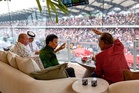
The geopolitical return is clearer. When war closed the Gulf, Bahrain, Formula One and the FIA looked for a partner they trusted to be stable and ready at short notice, and chose Malaysia. The arrangement grew out of discussions between His Majesty Sultan Ibrahim and Bahrain's King Hamad, and on Sunday the King watched the race alongside the leaders of Malaysia, Bahrain and Brunei.
There is a sensitivity, though. Hosting a Gulf monarchy's flagship event during a regional war will draw scrutiny at home, and the government should keep explaining why it was the right call.
Before Cabinet commits a single ringgit to those talks, it should commission an independent audit of what this weekend actually returned. If the numbers hold up, any future agreement must give Malaysia full control of transport and crowd management, and keep public money to a minority share of the fee.
Sepang has shown it can still host the world. Whether we pay to do so every year is a question for the spreadsheet, and it should be answered there first. Until then, we will look upon with fond memories at Verstappen’s victory and Hamilton’s extraordinary charge back to the podium, whilst shedding a tear for poor George Russell whose engine gave out when the podium finish was a few laps away. - October 5, 2026
Dr Helmy Haja Mydin is Chairman of Social & Economic Research Initiative and Perbadanan Stadium Malaysia. His views are his own.
The post The Formula for F1’s return to Sepang – Dr Helmy Haja Mydin appeared first on Scoop.