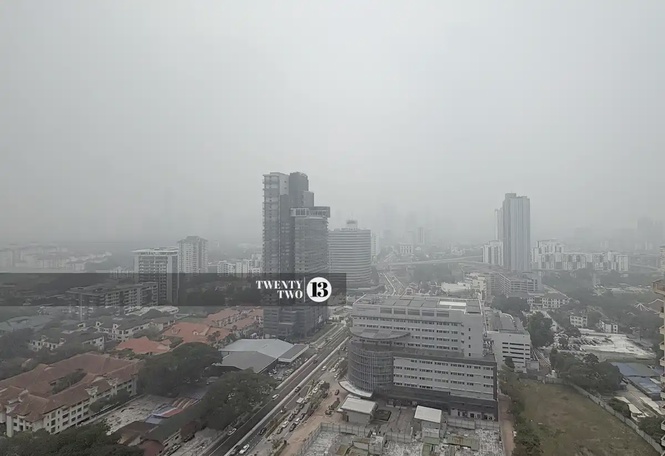
For more than a month, smoke has hung over us. Kuala Lumpur’s skyline has disappeared behind a grey wall, the Petronas Twin Towers half-erased on a Wednesday afternoon. On Oct 7, Putrajaya recorded an Air Pollutant Index (API) reading of 187, well into the unhealthy range.
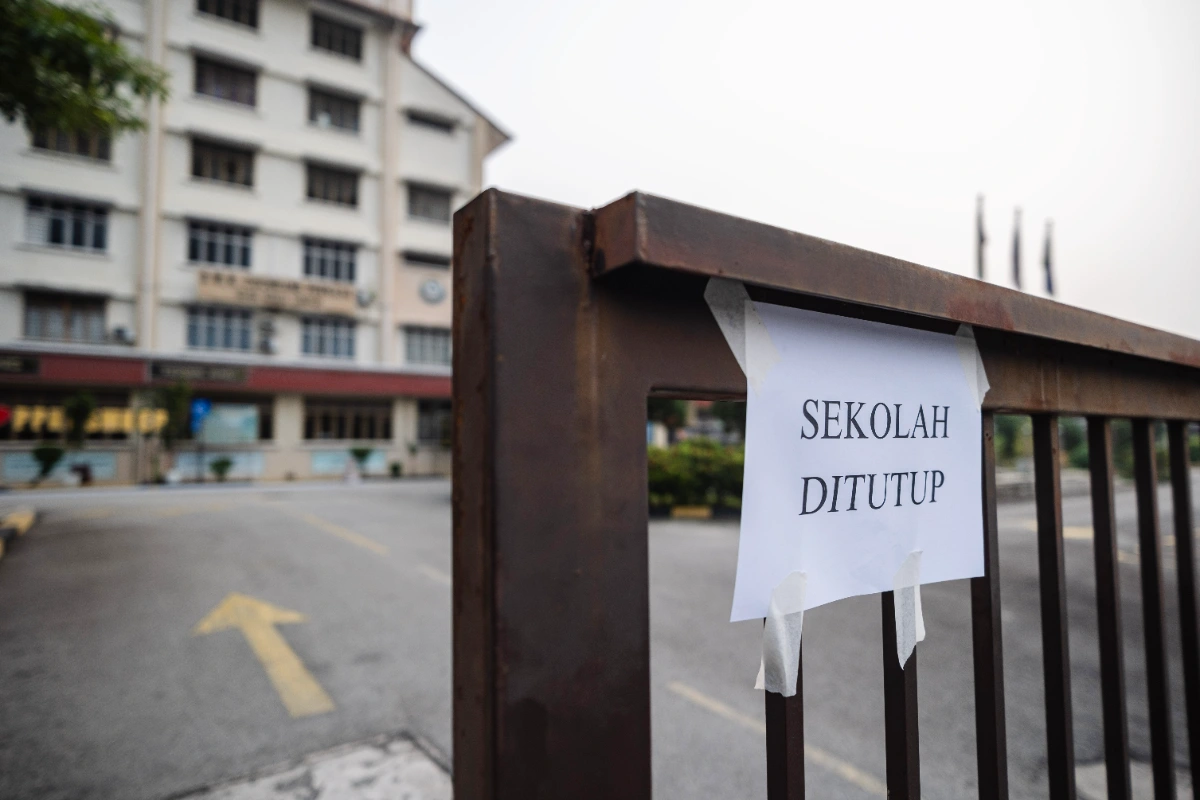
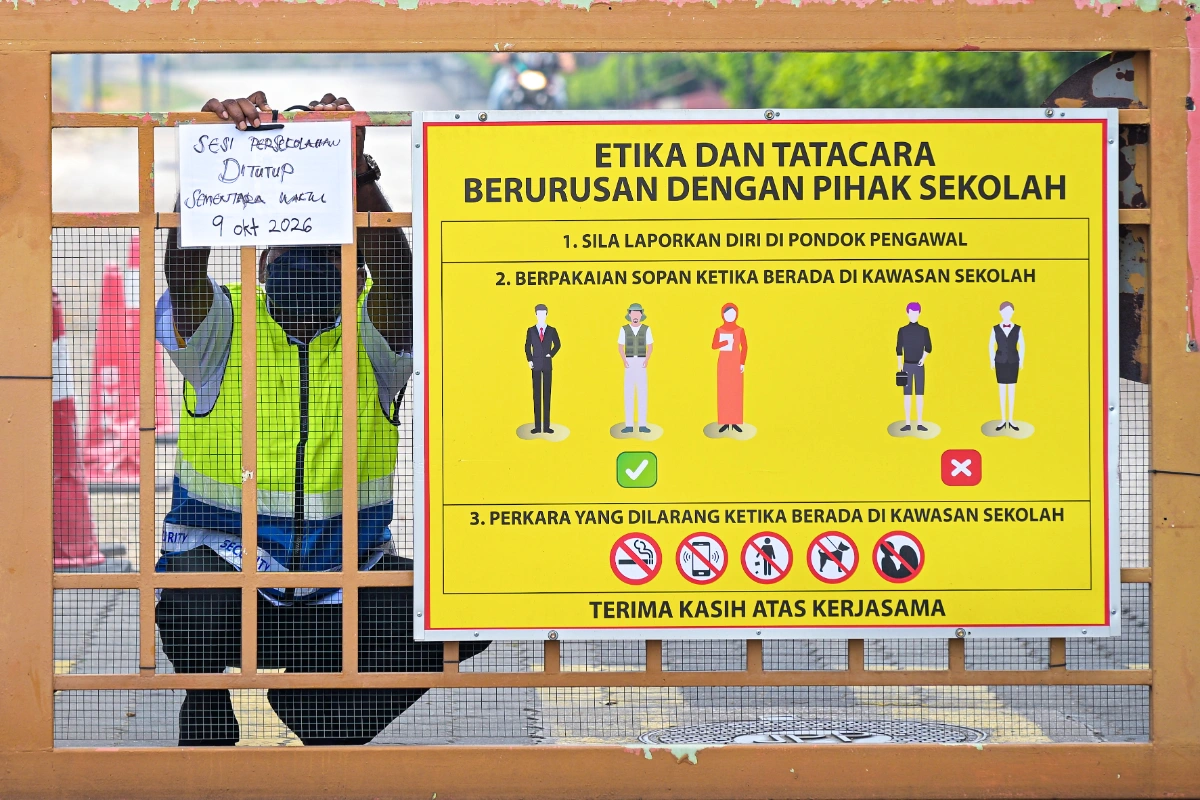
On Oct 9, around 37 areas across the country recorded unhealthy API readings. Schools in Kuala Lumpur, Putrajaya, Johor, Selangor, Melaka, Negeri Sembilan and parts of Pahang were ordered to close, keeping roughly two million children at home.
So we did what we always do. We bought masks, checked the API on our phones and complained in group chats. We waited for the wind to shift.
Here is the uncomfortable truth: we have been here before, far too many times.
This is not a freak event. It is a season. Fires burn across the region during the dry months, smoke drifts across borders, and the same cycle repeats year after year.
The 2015 haze forced schools to close, as have subsequent episodes. Each year, outrage flares, bright and genuine. Each year, when the sky turns blue again, that outrage evaporates.
It is not really about the fires. It is about us.
The haze exposes a fundamental weakness in human nature: we respond to what is in front of us and forget what is not.
When the air is polluted, children are coughing and families are stuck at home, we care enormously. We demand action. But our attention spans are short, and relief is a powerful drug.
When the API drops below 100, the problem begins to feel less urgent. It recedes from our minds, and with it, the pressure to act. A problem nobody is thinking about is a problem nobody fixes.
So the cycle sustains itself. We care when we are choking, but by then, all we can do is wait for the wind to change. The time to push for lasting change is during the clear-sky months, precisely when we have forgotten there was ever a problem.
To be fair, the haze is a genuinely difficult problem to solve. The fires occur largely across borders, driven by economic pressures and weather conditions beyond Malaysia’s control. Regional cooperation is slow and delicate. There is no simple switch that can end the problem overnight.
But difficult does not mean hopeless. Our forgetfulness is not caused by the fires. It is a choice, even if it does not feel like one. We treat each year’s haze as a fresh shock, a stroke of bad luck, rather than the predictable return of a problem we have witnessed for decades.
Imagine treating the haze for what it is: not an emergency, but a season as predictable as the monsoon. We do not act surprised by the monsoon. We build drains, keep umbrellas by the door and prepare for what we know is coming.
A country that accepted the haze as an annual visitor would use the clear months to prepare, press for action, cooperate with its neighbours and strengthen regional mechanisms. These are tasks that crisis-driven panic cannot accomplish. The work that matters is often unglamorous, carried out when the skies are clear and public anger has subsided.
So here is the question, and it is not really about pollution.
When the wind shifts this year, as it will, the sky turns blue and children return to school, watch what happens to your sense of urgency. Notice how quickly today’s anger fades, how swiftly “something must be done” becomes “well, at least it is over”.
That fading anger, multiplied across society, allows the haze to return year after year. The smoke is not the only thing that clears when the wind changes. So does our resolve to do anything about it.
The fires will return next dry season. That much we can predict. The real question is whether we will demand action before the air turns grey, rather than only after.
We have become adept at enduring the haze. We have had plenty of practice. What we have yet to learn is how to sustain the pressure for change when the skies are clear, so our children do not have to endure the same suffering year after year.
That, not the wind, is what we have the power to change.
The views expressed here are the personal opinion of the writer and do not represent those of Twentytwo13.