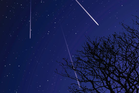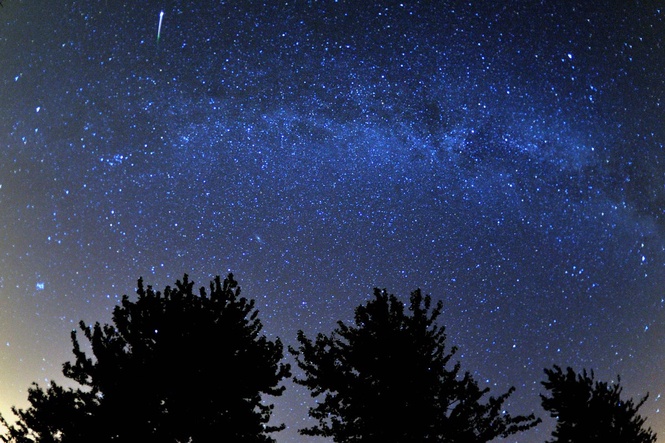
- The Orionid meteor shower is visible in the night sky from 2 October until 7 November, reaching its peak on 21 October.
- The meteors are debris left behind by Halley's Comet, which vapourise upon entering Earth's atmosphere to create visible streaks of light.
- Stargazers can view the shower by looking up in dark areas, though a waxing gibbous Moon may make dimmer meteors harder to spot this year.
- Named after the constellation Orion from where they appear to originate, the meteors can be seen across the entire night sky.
- Halley's Comet, officially known as 1P/Halley, is also responsible for the Eta Aquariids meteor shower that occurs every May.
IN FULL