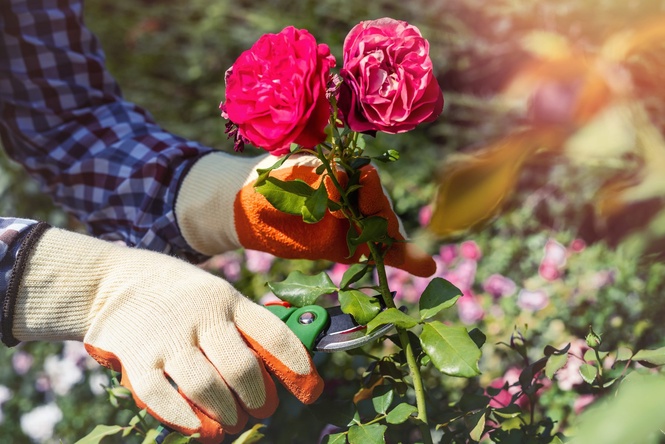
There’s something satisfying about putting a garden to bed before winter. You remove tired foliage, tidy crowded flower beds, and cut back plants that have finished blooming. Unfortunately, applying that same approach to every rose bush in your yard could leave you wondering where all the flowers went next spring.
The biggest rose pruning mistake isn’t necessarily using the wrong tool or cutting at an imperfect angle. It’s pruning at the wrong time for the particular type of rose you’re growing, and that mistake can undo an entire season of preparation.
Some Roses Have Already Grown Next Year’s Flowering Wood
Not every rose produces flowers on stems that emerge during the current growing season. Many traditional garden roses flower on wood developed during previous seasons. Removing those healthy stems in November could eliminate the growth responsible for next spring’s display. The plant may survive winter and produce plenty of fresh leaves without delivering the flowers you anticipated. Understanding where your rose develops its blooms is more important than following a universal pruning calendar.
Once-Blooming Roses Need Different Treatment
Old garden roses such as Gallicas, Damasks, Albas, and Centifolias often produce one major flowering display each year. These varieties generally depend on older growth to deliver their seasonal flowers. University of Illinois Extension’s rose pruning guidance places their routine pruning after flowering rather than before it. That timing allows gardeners to manage plant size while preserving the following year’s flowering potential. If your rose blooms spectacularly once each spring and then stops, investigate its variety before cutting it back this fall.
Repeat-Blooming Roses Follow Another Schedule
Hybrid tea roses, floribundas, and many modern landscape roses can flower repeatedly throughout the growing season. Their pruning requirements differ from those of traditional once-blooming varieties. For many repeat-flowering bushes, substantial annual pruning is best performed near the end of dormancy, before vigorous spring growth begins. North Carolina Cooperative Extension distinguishes this dormant-season pruning schedule from the after-flowering approach used for spring-only roses. Climate, cultivar, and winter damage will influence the precise timing.
Climbing Roses Are Particularly Easy to Prune Incorrectly
Long rose canes can look messy when they extend beyond a fence, trellis, or garden arch. Cutting them all to the same height may make the garden appear tidier, but it can sacrifice an established flowering framework. Some climbing roses produce flowers once annually, while others repeat their display throughout the season. Rambling roses that flower once generally benefit from pruning after their bloom period ends. Identify your plant’s flowering habits before removing substantial amounts of healthy climbing growth.
Training Can Be More Useful Than Cutting
A long, flexible rose cane doesn’t always need to be shortened simply because it’s growing in an inconvenient direction. Training appropriate climbing rose canes more horizontally can encourage flowering side shoots along their length. Secure suitable canes gently to a sturdy trellis or supporting structure using plant ties that won’t constrict growth. The University of Missouri Extension’s pruning guide discusses this technique for rambling roses. Repositioning healthy growth can preserve flowers while providing a more attractive arrangement without purchasing another plant.
Heavy Fall Pruning Can Create Additional Problems
Gardeners in cold climates sometimes remove substantial rose growth before winter because they assume shorter plants will be easier to protect. However, winter conditions may damage additional portions of the remaining canes. Waiting until late winter or early spring allows you to assess the actual damage before making major decisions about many repeat-blooming varieties. Selectively shortening exceptionally tall canes on appropriate bush roses can help reduce damage from strong winter winds. That limited preparation shouldn’t be confused with the plant’s primary annual pruning.
What You Can Safely Address This Fall
Broken, clearly dead, or diseased rose stems may need attention regardless of the plant’s ordinary flowering schedule. Removing damaged material can reduce physical hazards and help manage certain disease problems. Fallen leaves affected by rose diseases may also warrant cleanup rather than being left directly beneath the plant. Use sharp pruning tools and follow appropriate sanitation practices, especially when working around affected plants. Leave healthy flowering wood intact whenever there isn’t a compelling reason to remove it.
Stop Treating Every Rose Like a Hybrid Tea
Hybrid tea roses frequently appear in instructional photographs because their upright structure makes traditional pruning techniques easy to demonstrate. Those same techniques can be inappropriate for sprawling heirloom roses, established ramblers, and certain landscape varieties. Cutting every plant down to a handful of short stems disregards important differences in their growth habits. Check the original plant tag, old garden photographs, or nursery purchase records if you’re uncertain which rose you own. Your local cooperative extension office may also help narrow down its classification.
When Your Roses Bloom Can Offer an Important Clue
You don’t necessarily need to know the exact cultivar name to make a more informed pruning decision. Think back to whether the plant produced one concentrated spring display or continued flowering intermittently through summer. A single annual flush suggests that the rose may need its main pruning after flowering. Repeat blooms point toward other possibilities, although climbing varieties and particular cultivars can complicate the distinction. If you remain uncertain, avoid aggressive pruning until you’ve observed another flowering cycle.
Incorrect Pruning Can Become an Expensive Gardening Habit
Replacing a mature rose because it no longer produces an impressive flower display may be unnecessary. Suppose you replace three established bushes with new plants costing $35 each after repeatedly removing the wrong growth. That’s $105 spent without addressing the gardening practice that contributed to the disappointing flowers. Established plants may also have root systems and structures that take years for replacements to develop. Correcting your pruning schedule could restore the garden’s appearance without a single trip to the nursery.
Put Down the Pruners Before You Sacrifice Next Spring’s Flowers
The most effective rose pruning strategy starts with identifying when and where your particular plant flowers. Once-blooming roses generally need their healthy flowering wood preserved until their annual display has finished. Many repeat-blooming bushes benefit from major pruning closer to the end of winter instead. Taking a more selective approach now could reward you with healthier plants, more flowers, and fewer unnecessary garden purchases.
Have you ever pruned a rose bush only to discover that it barely flowered the following spring?
The post The Rose Pruning Mistake That Can Cost You Spring Flowers appeared first on Frugal Gardening.