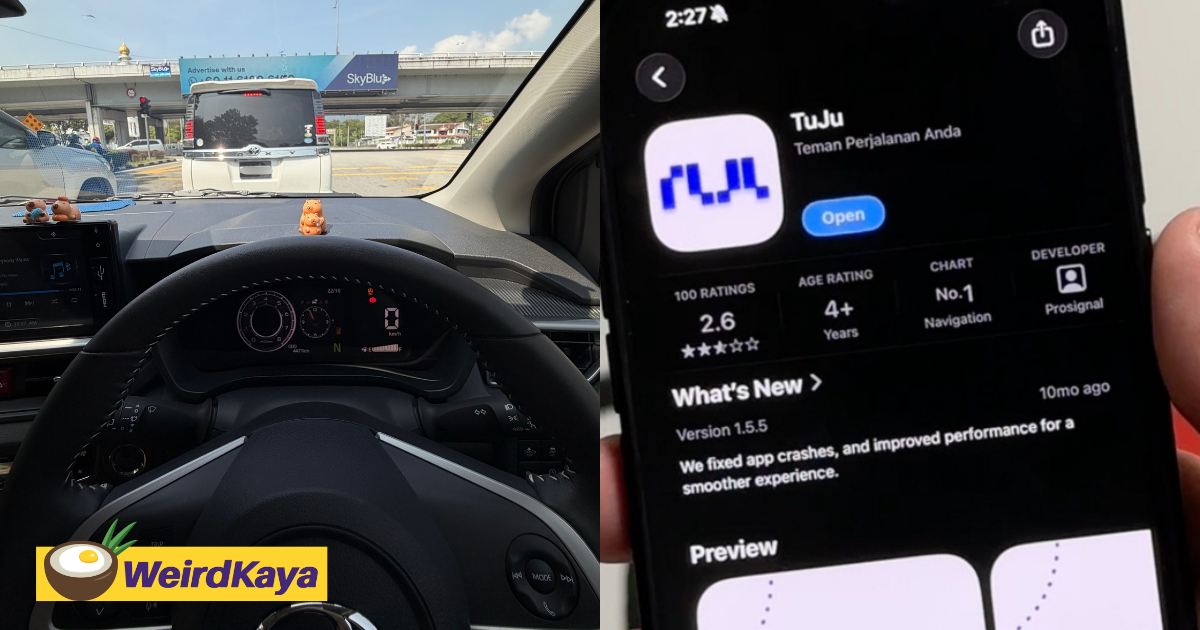
Yesterday, the government urged Malaysians to not use the popular navigation app Waze as it was subject to Israeli government laws and raised concerns about data security.
Govt Urges M’sians To Use Local Navigation App TuJu Instead Of Waze Over Data Security Concerns
Seeing how “hot” the topic was trending, I decided to take a short drive and see how well TuJu fared against Waze in terms of navigation and usability.
Instead, what I found was a clunky, confusing mess which was pieced together in the most haphazard fashion ever.
Key destinations missing
After downloading the app, I immediately went to the search bar to type several famous Penang destinations that most, if not all, navigation apps would have at the ready.
Unfortunately, when I tried searching for places like Gurney Plaza and Karpal Singh Drive, the answer was the same: “No results found”.
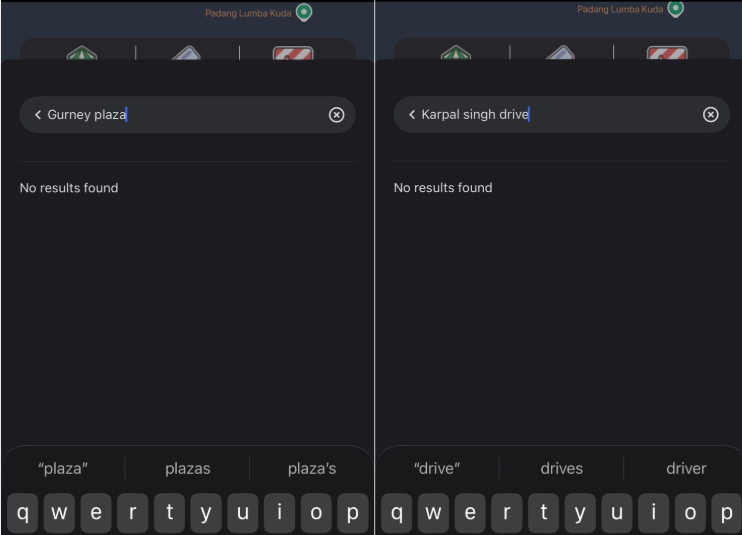
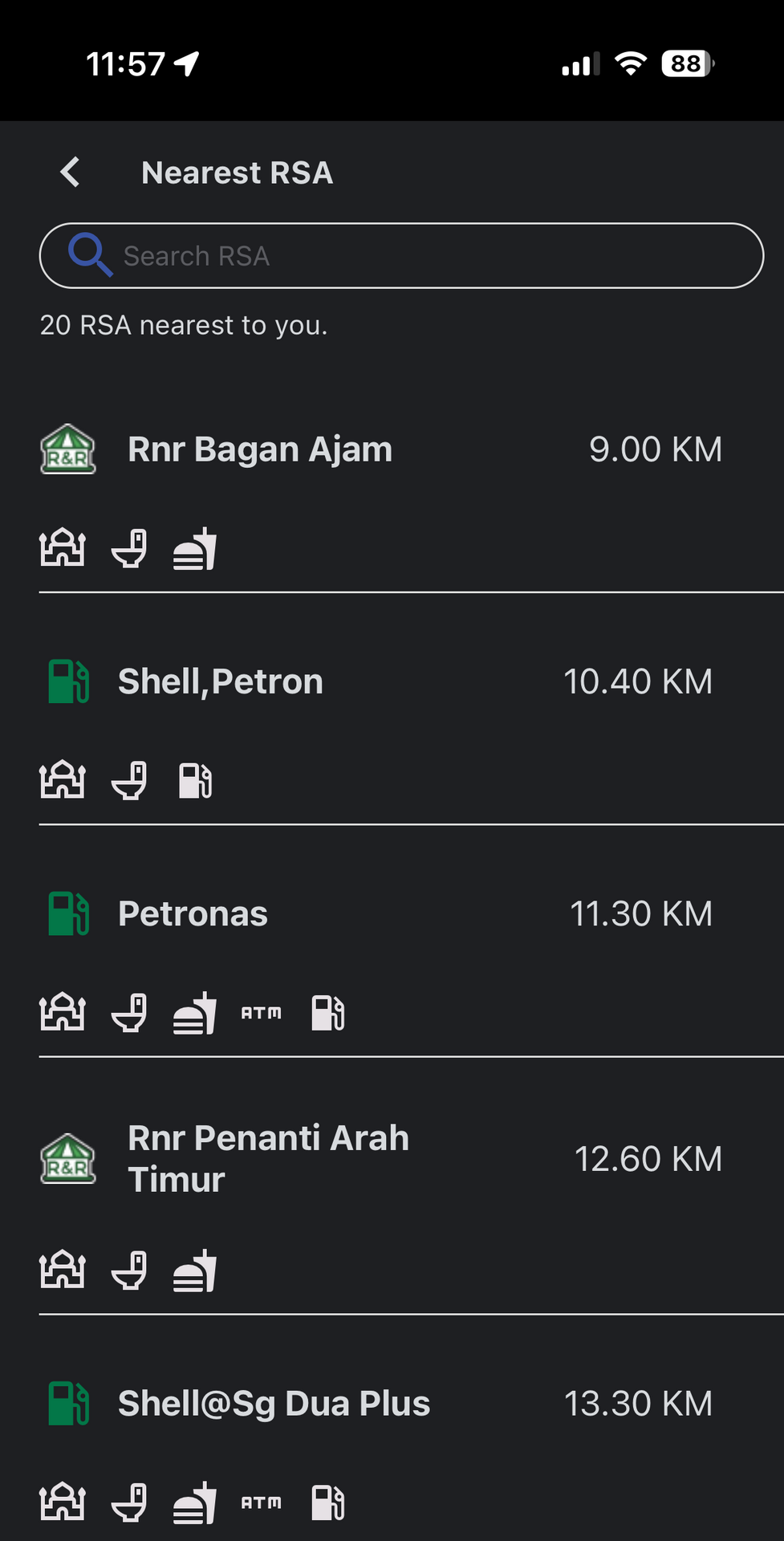
After several frustrating attempts, I eventually decided to settle for TuJu’s R&R feature, where it will direct users to the nearest rest stop or petrol station.
However, I was in for another rude surprise when it listed out rest stops and petrol stations that were located on the mainland (mind you, I live on Penang Island).
How is a petrol station on the mainland considered near when I have one located just 1km away from my home?
I am speed?
After opting for a petrol station which, according to TuJu, was located 10.4km away on the mainland, the first thing that caught my eye was the app’s estimated time of arrival (ETA).
I couldn’t believe my eyes. Did TuJu really think a drive to a petrol station located 10.4km away takes only zero minutes? Heck, even me walking to throw my rubbish takes a good minute or so!
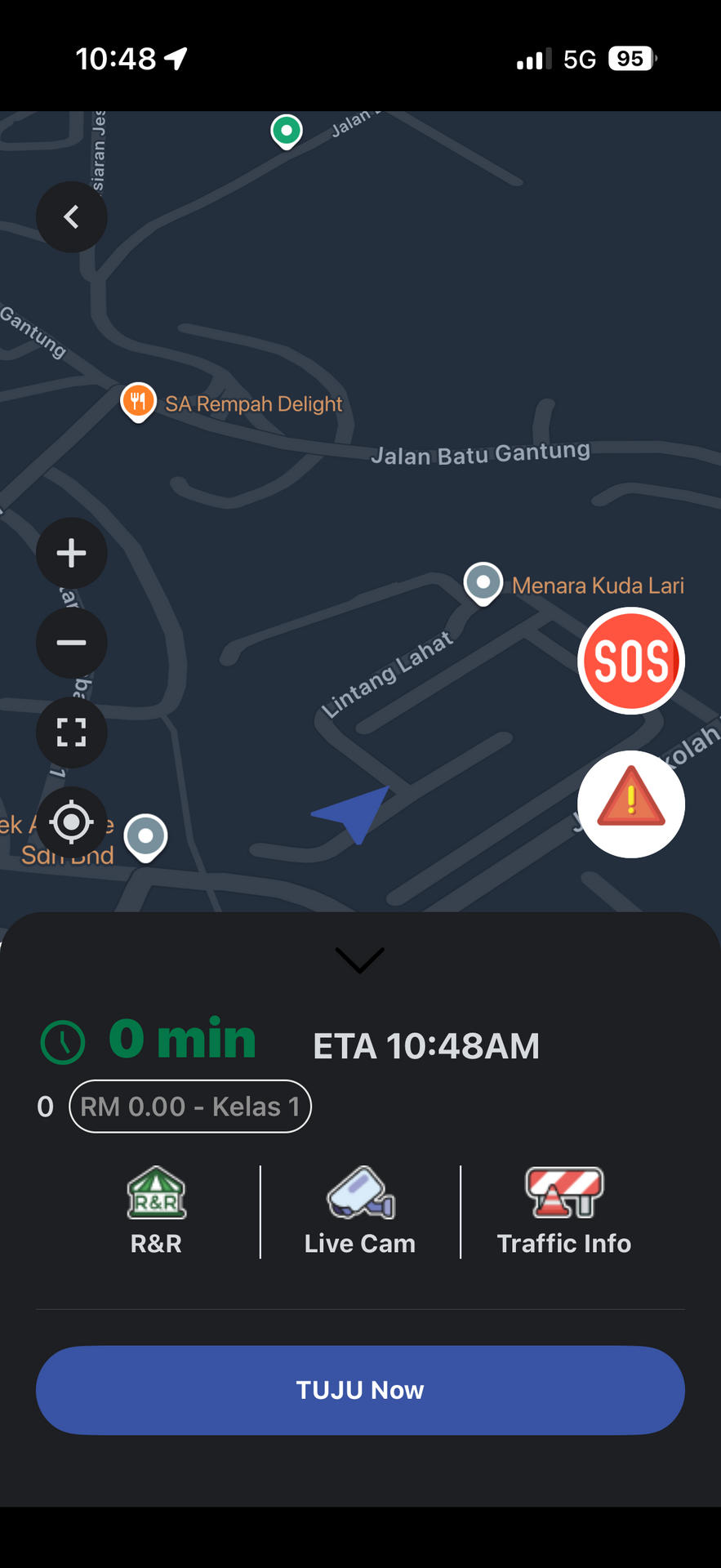
But fine. I’ll just assume in good faith that TuJu regards me as a driver who’s capable of defying the laws of physics in order to get to my destination with the snap of a finger.
After getting into my car and reversing out of the car park, I began to follow TuJu’s instructions in getting to the petrol station.
Problem was, there were no instructions to begin with.
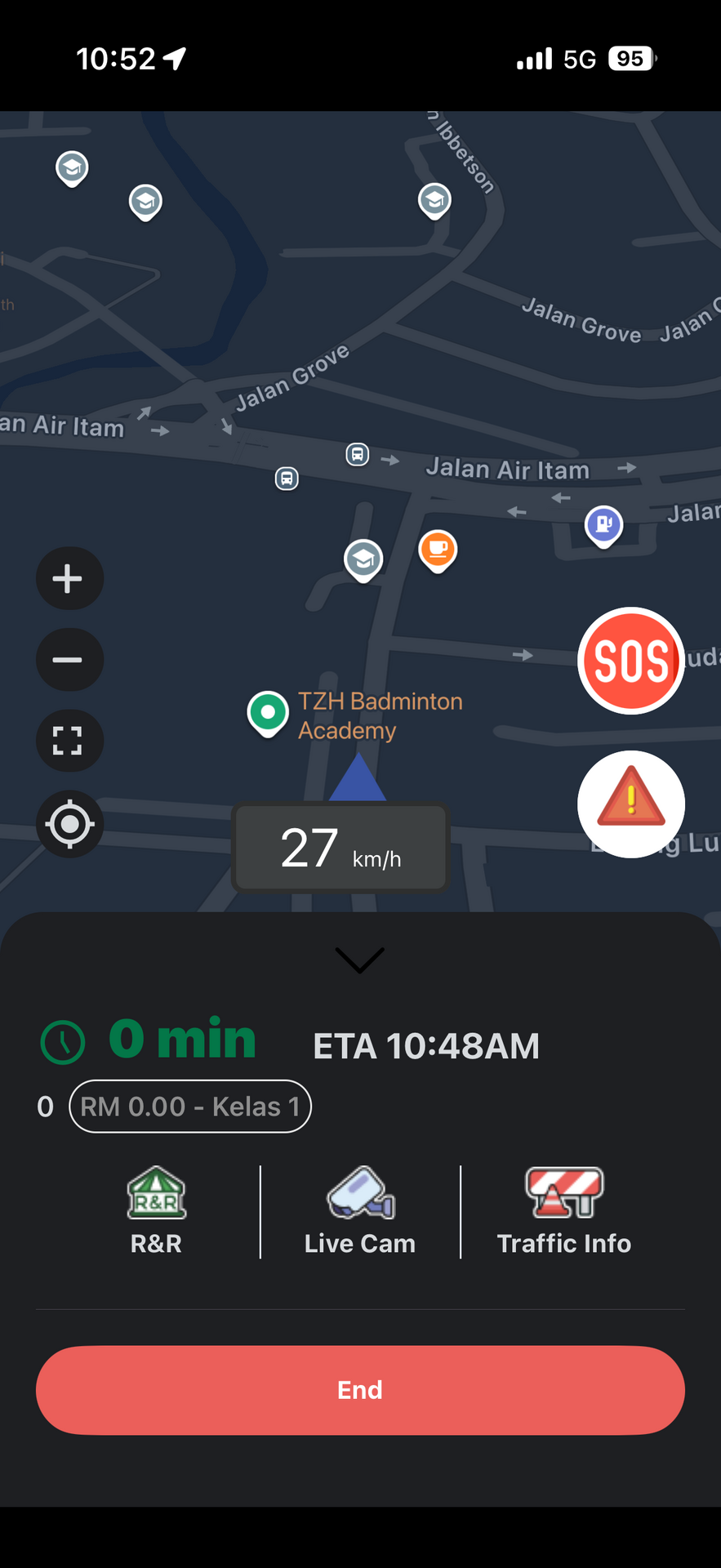
Unlike most navigation apps where it would highlight the route to take, there was none provided for me. Instead, I was basically left to my own devices in figuring out to get to my supposed destination.
Furthermore, there was no guiding voice by TuJu in telling me which turn I should or shouldn’t make. In fact, it was akin to me booking an e-hailing ride, except that the driver has no idea how to get to the destination but refuses to say anything.
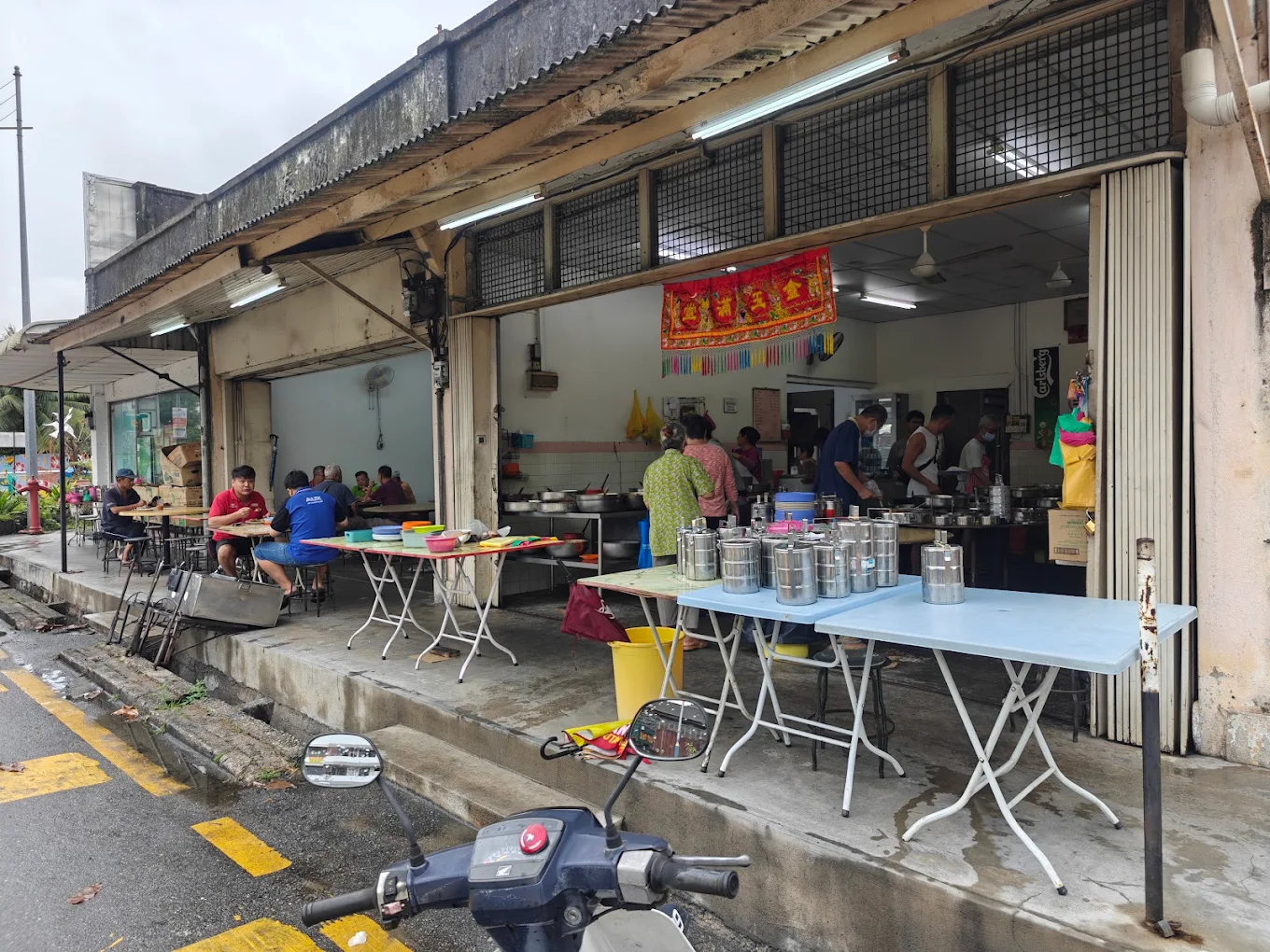
In the end, I decided to put an end to the short but miserable drive by stopping by my favourite stall to pick up some mixed rice.
Final thoughts
All in all, TuJu is a convoluted mess concocted by a group of people who think they know better but actually fail to incorporate the most important features of a navigation app—a classic example of “shoot first, ask questions later”.
Another thing worth highlighting is the amount of data TuJu has access to once permission is granted by the user. Here’s the list of the data it has access to:
- Location
- Motion and usage behaviour
- Product interaction
- Usage data
- Credit and fraud information
- Names
- Payment information
- Precise location
- Phone numbers
- Advertising data
- Physical addresses
- User IDs
- Approximate location
- Email addresses
- Contact information
- Device IDs and other financial information
According to SoyaCincau, since TuJu is developed by the Malaysian Highway Authority (LLM), it’s not bound to the Personal Data Protection Act 2010 (PDPA), leading to further concerns on how users’ most sensitive information will be stored safely.
In conclusion, TuJu still has a long way to go before it can even dream of replacing Waze for good. Until then, I’m sticking to my current navigation app, even if means having Jeremy Clarkson sarcastically congratulate me on reaching my destination.
READ ALSO:
I Earn RM4,000 A Month In M’sia & My Boss Offered Me A RM120 Increment. Here’s How I Asked For More