.png)

Do you often indulge in late-night snacks? You're not alone. In a 2021 survey, 60% of U.S. adults admitted to snacking after 8 p.m. But what exactly does this habit do to your body, and is it a guilty pleasure or a health hazard? In this article, we'll explore the impact of late-night snacking and discuss both the potential benefits and downsides, and provide guidance on choosing healthy options.
Health Benefits of Late-Night Snacking
1. Nourishing Your Body
Late-night snacking can offer an opportunity to supply your body with essential nutrients it might have missed during the day. For instance, you can opt for nutritious and minimally processed options like a bowl of Greek yoghurt with fresh berries, whole-grain crackers with hummus, or a small handful of mixed nuts. These snacks not only satisfy your hunger but also provide your body with much-needed vitamins and minerals.
Additionally, if you're an active person, having high-protein foods before bedtime can aid in muscle recovery. According to Kelsey Kunik, a registered dietitian nutritionist at Graciously Nourished, late-night snacking can help provide your body with essential nutrients like protein, crucial for muscle repair during your sleep.
2. Better Sleep
A balanced and light snack before bedtime can promote better sleep by preventing hunger-induced awakenings at night. Studies suggest that having a healthy snack before bed is a good practice for good sleep hygiene, especially if you're feeling hungry. Foods containing tryptophan, such as nuts or seeds, can assist your body in producing sleep-regulating neurotransmitters like serotonin and melatonin. These neurotransmitters help regulate your sleep patterns and improve sleep quality.
Late-night snacking on high-protein foods can help maintain stable blood glucose levels throughout the night, according to a 2022 review. This is particularly important for people with diabetes or concerns about their blood sugar levels. To prevent spikes and crashes, consider snacks that combine protein, healthy fats, and complex carbohydrates, like apple slices with nut butter or whole-grain toast with avocado. These options can contribute to better blood sugar control.
Potential Downsides
1. Digestive Issues
Late-night snacking may lead to digestive discomfort during sleep, such as indigestion, heartburn, and acid reflux. It's advisable to avoid heavy or spicy foods and instead choose easily digestible snacks. For example, a small bowl of oatmeal or a banana with almond butter can be gentler on your digestive system.
Kunik advises, "Late snacking could worsen acid reflux. People who have acid reflux and eat just before lying down may wake up during the night with uncomfortable symptoms."
2. Frequent Awakenings During Sleep
Consuming large or sugary snacks close to bedtime can disrupt your sleep pattern, causing you to wake up often throughout the night. To enhance sleep quality, it's essential to avoid caffeine, sugary treats, and high-calorie snacks before bedtime.
"Eating foods that take a lot of effort to digest, like high-fat foods or heavy meals, could cause you to wake up frequently throughout the night," says Kunik.
3. Weight Gain
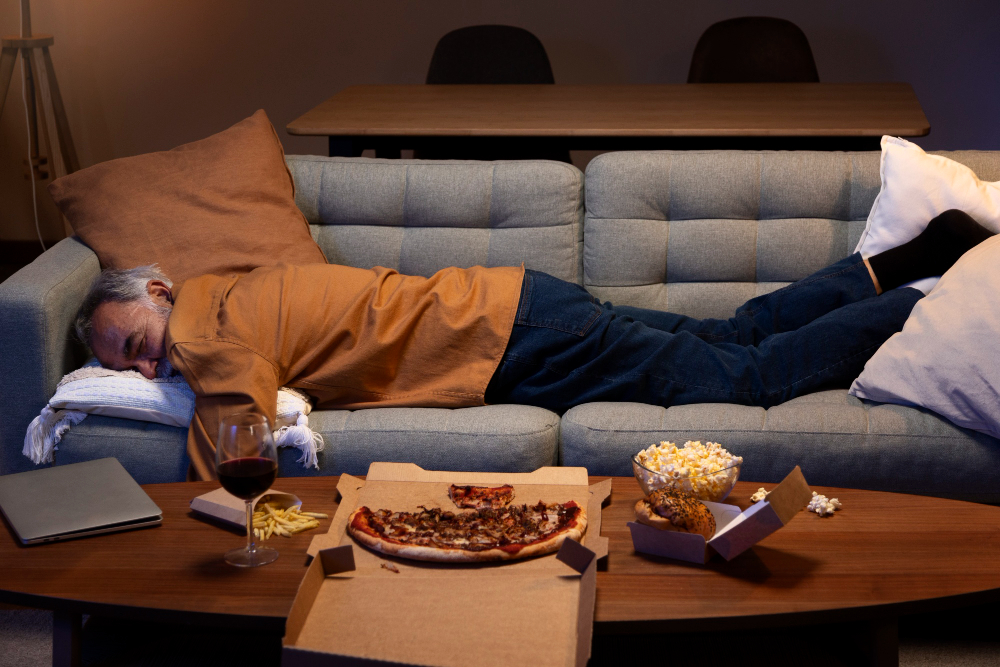
Late-night snacking often occurs out of boredom or habit, potentially leading to unintentional weight gain. Mindless snacking while watching TV, for instance, can easily result in consuming more calories than intended.
Kunik warns, “Late-night snacking could lead to weight gain. If late-night snacking is often done while watching TV or another activity where you're not mindful of what you're eating, it can be easy to eat more food than you otherwise would.”
The Best Late-Night Snacks and Choosing Healthy Options
The next time you find yourself contemplating a late-night snack, consider nutritious options that are low in added sugars and saturated fats. Focus on snacks rich in protein and fibre to curb your hunger and prevent overindulgence. Some nutritious late-night snacks include Greek yoghurt with fresh berries, a small portion of nuts, whole-grain crackers with hummus, or a slice of whole-grain bread with almond butter.
To make healthier choices, limit highly processed and sugary snacks, and practice moderation. When selecting late-night snacks, opt for light and easy-to-digest options such as cherries, nuts, bananas, or low-fat dairy.
What to Look For and What to Limit
Look for nutrient-dense foods that satisfy your hunger without causing discomfort. These should offer a good balance of protein, healthy fats, and complex carbohydrates, providing sustained energy and keeping you full. Be cautious of ultra-processed food and sugary snacks, and consume them in moderation.
When it comes to what to limit, avoid highly processed and sugary snacks that can lead to energy crashes and disrupt your sleep. Also, steer clear of caffeine and alcohol, as they can interfere with sleep quality. It's wise to minimize heavy, large meals before bedtime, as they can lead to discomfort and digestive issues.
Frequently Asked Questions
1. Can I have a late-night snack if I'm on a diet?
Yes, you can, but choose nutrient-dense options that don't exceed your daily calorie needs. Focus on snacks that provide protein, fibre, and healthy fats to keep you satisfied and prevent overeating.
2. What are healthy late-night snacks for weight loss?
Healthy late-night snacks for weight loss include Greek yoghurt with berries, a small handful of nuts, sliced veggies with hummus, or a piece of fruit. These options offer a balance of nutrients and won't hinder your weight loss efforts.
3. How can I make healthy late-night snacks?
Stock your kitchen with whole, unprocessed foods that are easy to prepare. Keep pre-cut veggies and fruits in the fridge, make your own trail mix with nuts and seeds, or prepare homemade energy balls with nutritious ingredients.
4. Do late-night snacks cause weight gain?
Late-night snacks can contribute to weight gain if they're high in calories, added sugar, and saturated fats. Mindful snacking and portion control are essential to avoid excess calorie intake, which may lead to weight gain over time.
5. Is it okay to eat before bed?
Eating before bed can be fine, but it's crucial to make healthy choices. Opt for light, easily digestible snacks that won't disrupt your sleep or add unnecessary calories. Avoid heavy, greasy, or spicy foods before bedtime to promote better rest and digestion.
The Bottom Line
The impact of late-night snacking on your body varies depending on the quality and quantity of the food you choose. While some foods may disrupt sleep and cause digestive issues, others can enhance sleep quality. To make the most of your late-night snacking, avoid large, heavy meals and opt for wholesome, nutrient-dense options that support healthy sleep and keep you satisfied.
Reference: What Happens to Your Body When You Eat a Late-Night Snack Every Day
Yazliza Razlan is a content creator under the Newswav Creator programme, where you get to express yourself, be a citizen journalist, and at the same time monetize your content & reach millions of users on Newswav. Log in to creator.newswav.com and become a Newswav Creator now!
The User Content (as defined on Newswav Terms of Use) above including the views expressed and media (pictures, videos, citations etc) were submitted & posted by the author. Newswav is solely an aggregation platform that hosts the User Content. If you have any questions about the content, copyright or other issues of the work, please contact Newswav.