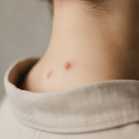
Imagine noticing a pale patch on your hand one morning. At first, you might think it is dry skin, a fungal infection or simply a change in pigmentation. But then another patch appears near your eyes, or the colour begins to fade around your mouth. You may start wondering whether it will spread, whether it is contagious, or whether people will stare.
For someone developing vitiligo, the physical changes are often only part of the story. The uncertainty and the reactions of others can be just as difficult to deal with.
Vitiligo is a long-term condition that causes areas of skin to lose their natural colour. It is not an infection, it is not caused by poor hygiene, and it cannot be passed from one person to another. Although it is not usually physically harmful, it can have a significant effect on confidence and emotional wellbeing.
As a community pharmacist, I believe understanding this condition is important because the first response to an unusual skin patch should be curiosity and appropriate advice, not embarrassment or assumptions.
Why does the skin lose its colour?
Our skin gets much of its colour from a pigment called melanin, which is produced by specialised cells known as melanocytes. In vitiligo, these pigment-producing cells are lost or stop functioning in affected areas, leaving patches of skin lighter than the surrounding skin.
The exact cause is not fully understood, but vitiligo is commonly considered an autoimmune condition. This means the immune system mistakenly targets the body’s own cells, in this case the melanocytes.
Vitiligo can affect people of any skin colour, age or background. It may be more noticeable on darker skin because the contrast between the affected patches and the surrounding skin is greater. However, it is not more serious simply because it is more visible.
The condition sometimes runs in families, and people with vitiligo may have other autoimmune conditions, particularly thyroid disease. This does not mean that everyone with vitiligo will develop a thyroid problem, but a clinician may consider checking for associated symptoms or risk factors.
The NHS explains more about the condition, its causes and its effects in its guide to vitiligo.
What does vitiligo look like?
The most recognisable sign is the appearance of pale or white patches on the skin. These commonly develop on the hands, face, around the eyes and mouth, elbows, knees and other areas of the body. They can also affect the skin around body openings and the genital area.
Hair growing within an affected patch may turn white or grey, including eyebrows, eyelashes and scalp hair. Some people develop only a few small patches, while others experience more extensive changes.
Vitiligo can remain stable for long periods, spread gradually or sometimes progress more quickly. It is difficult to predict its course in an individual.
There are different patterns. In non-segmental vitiligo, which is the most common type, patches often appear on both sides of the body in a roughly symmetrical pattern. Segmental vitiligo tends to affect one area or one side of the body and may stop spreading after a period.
Vitiligo itself is usually painless and does not normally cause itching. If a new patch is itchy, scaly, inflamed or painful, it is worth having it assessed because other skin conditions can produce pale areas too.
Is every white patch vitiligo?
No, and this is an important point. Several conditions can cause lighter areas of skin.
Fungal infections, including pityriasis versicolor, can cause patches that are lighter or darker than the surrounding skin, often on the chest, back or neck. Some inflammatory skin conditions can leave temporary pale areas after the original rash has settled. Other causes include scars and certain pigment disorders.
A pharmacist can help identify when a skin problem needs further assessment, but vitiligo may require a GP or dermatology examination for confirmation. A clinician may use a special ultraviolet light, known as a Wood’s lamp, to help identify areas of pigment loss.
If you notice new, unexplained white patches, arrange an assessment rather than assuming that they are vitiligo or trying an antifungal cream without knowing the cause.
Can vitiligo be treated?
There is currently no guaranteed cure, but treatments can sometimes restore some colour or reduce the contrast between affected and unaffected skin. The results vary, and treatment may take months.
Depending on the extent and location of the patches, a dermatologist may recommend prescription corticosteroid creams or other topical treatments that influence the immune response in the skin. These medicines must be used according to professional advice, particularly on delicate areas such as the face, where prolonged or inappropriate use of steroids can cause skin thinning.
Narrowband ultraviolet B (NB-UVB) phototherapy may be considered when vitiligo is widespread or when topical treatment has not worked adequately. It involves controlled exposure to specific ultraviolet wavelengths under medical supervision, often over repeated sessions. It is not the same as using a sunbed.
Some people choose camouflage products or skin-coloured cosmetics to make patches less noticeable. Others prefer not to conceal them at all. Both choices are valid.
Treatment is not always necessary, especially if the condition is stable and does not trouble the person affected. A dermatologist can discuss realistic expectations, potential risks and the most appropriate options.
The British Association of Dermatologists’ vitiligo information explains available treatments and practical ways to manage the condition.
Why sun protection matters
Areas affected by vitiligo have less melanin and can burn more easily in sunlight. Sun protection is therefore particularly important.
Use a broad-spectrum sunscreen with at least SPF 30, ideally SPF 50 when exposed to strong sunlight, and reapply it according to the product instructions. Wear protective clothing and seek shade during the strongest sunshine.
This advice is especially relevant in countries such as Malaysia, where sunlight and high temperatures can be intense throughout the year. Avoid sunbeds and deliberate tanning to try to blend the skin colours. Tanning the unaffected skin can increase the contrast between the patches, while ultraviolet exposure can damage the skin.
People with vitiligo should also take care not to burn the affected areas, as sunburn can cause considerable discomfort and skin damage.
The emotional side should not be overlooked
Skin conditions can affect far more than appearance. Someone with visible vitiligo may become self-conscious about photographs, social events, swimming or meeting new people. Children and teenagers may face unwanted questions or teasing.
It helps to remember that vitiligo is not a reflection of a person’s health habits, cleanliness or character. Family members can offer support by listening, avoiding comments that imply the skin needs to be hidden and allowing the person to decide whether they want treatment or camouflage.
If the condition is affecting confidence, relationships or mood, tell a healthcare professional. Emotional support or counselling may help, and connecting with others who have vitiligo can reduce feelings of isolation.
When should you seek medical advice?
Arrange a GP appointment if you develop unexplained white patches, particularly if they are spreading or affecting your hair colour. Early assessment can help establish the diagnosis and allow you to discuss treatment before the changes become more extensive.
Seek advice promptly if the patches are accompanied by other symptoms, or if you are concerned about a possible associated condition such as thyroid disease.
Vitiligo is a long-term condition, but it is not contagious and it does not define a person. The skin may change colour, but the person beneath it has not changed.
As pharmacists and healthcare professionals, we can all help by offering sound information, challenging misconceptions and treating people with the same respect we would want for ourselves.
Until next time, look after yourself.
This article is for general health information and is not intended to replace individual medical advice.
Health Matters (zaynp100@yahoo.com) is a content creator under the Newswav Creator programme, where you get to express yourself, be a citizen journalist, and at the same time monetize your content & reach millions of users on Newswav. Log in to creator.newswav.com and become a Newswav Creator now!
The User Content (as defined on Newswav Terms of Use) above including the views expressed and media (pictures, videos, citations etc) were submitted & posted by the author. Newswav is solely an aggregation platform that hosts the User Content. If you have any questions about the content, copyright or other issues of the work, please contact creator@newswav.com.