_1652931074_9592.jpg)
Last month, we were flown to Guangxi, China to check out the latest Wuling vehicles. Here’s a summarized test drive report for each car we experienced.
The Chinese car industry is going through its renaissance period right now with cutting-edge electric vehicles and extremely competitive pricing for mid-range options. However, in this renaissance, it’s easy to overlook the brands that have decided to stay away from pie-in-the-sky ideas. One such brand is Wuling. This is a brand whose roots go back to tractor manufacturing and whose success in the car world has been largely defined by very basic transportation. While it’s tempting and easy to dismiss such a brand, they’ve actually made quite a name for themselves in markets where other Chinese carmakers struggle to make headwind. In Indonesia, Wuling has become extremely popular. In other markets, such as India, the brand leans on their ties to SAIC by marketing vehicles under the MG brand and moving units in the tens of thousands.
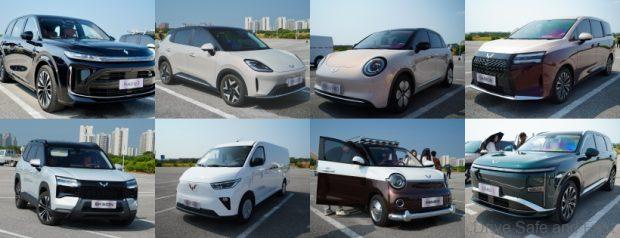
In Malaysia, Wuling and Tan Chong Group have a formalized relationship and market vehicles under the TQ Wuling joint venture. This arrangement allows Tan Chong Group to localise production and decrease the final selling price of Wuling products here. So far, we’ve only got the TQ Wuling Bingo, but at KLIMS 2026, we saw a couple of other models being teased for our market.
Last month, we were invited to test drive some of Wuling’s products at their Liuzhou HQ test track. Here’s our quick assessment of each.
Wuling Huajing S: High-End Tech Formula at Accessible Reach
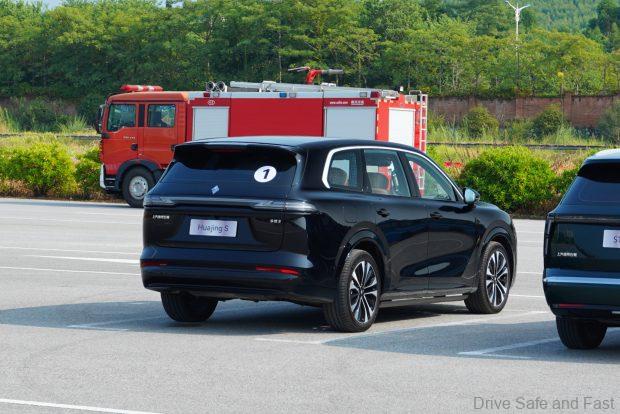
Sold under the Baojun badge in China, the Wuling Huajing S is widely expected to transition to the primary Wuling moniker when it commences its global market rollout. In its home market, the crossover has become a major commercial success by mirroring the core formula of Huawei’s Aito M8—delivering approximately 90% of that flagship experience at roughly half the retail price.
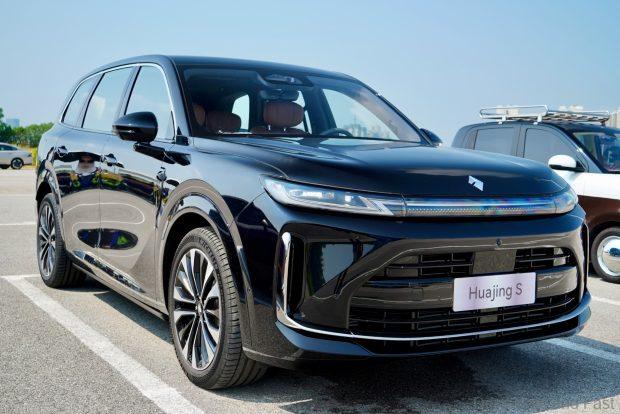
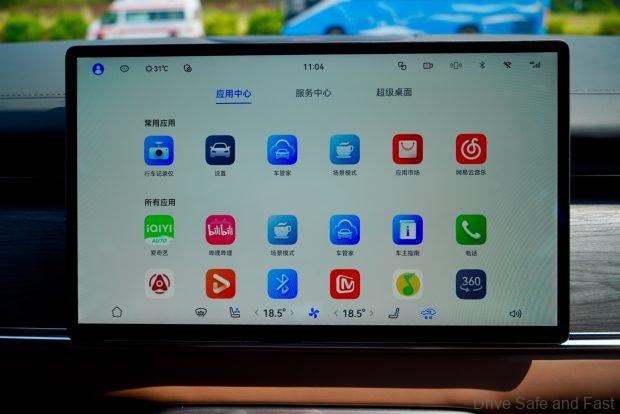
While domestic versions rely on Huawei’s software ecosystem, export models destined for international shores will likely swap this for Wuling’s proprietary Ling OS. Proving its long-distance capability earlier this year, Wuling completed an overland journey in this plug-in electric hybrid SUV, driving it directly from China to Malaysia for its appearance at KLIMS 2026.
- Battery Capacities: 31 kWh or 41.9 kWh Lithium Iron Phosphate (LFP) packs
- Pure Electric Range: 200 km to 255 km (CLTC)
- Comprehensive Range: Over 1,100 km (with a full tank and full charge)
- Fast Charging: Supports 3.5C ultra-fast charging (10% to 70% in roughly 12 to 14.5 minutes)
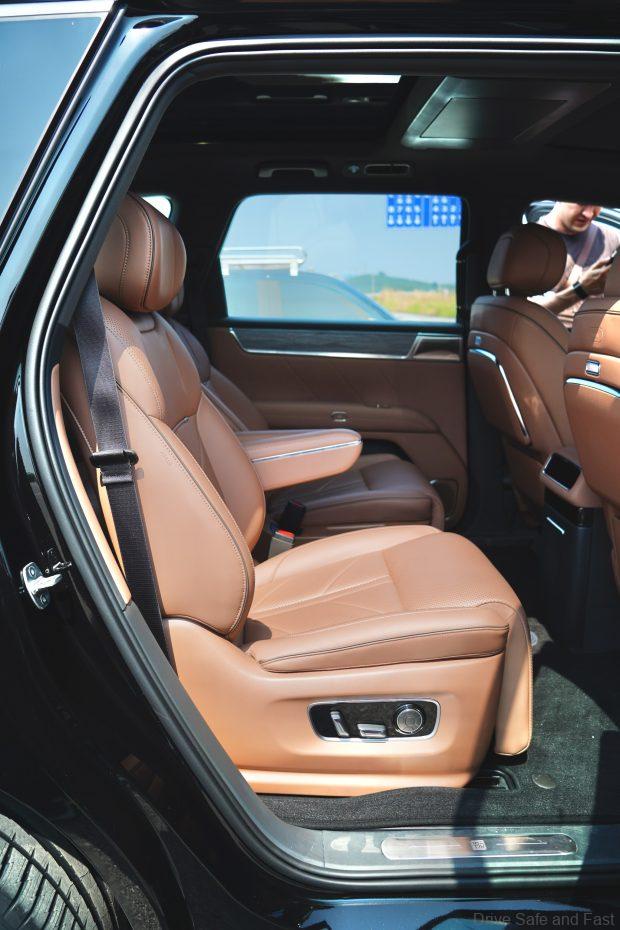
Wuling Stario L: 1,000 km PHEV Three-Row Crossover
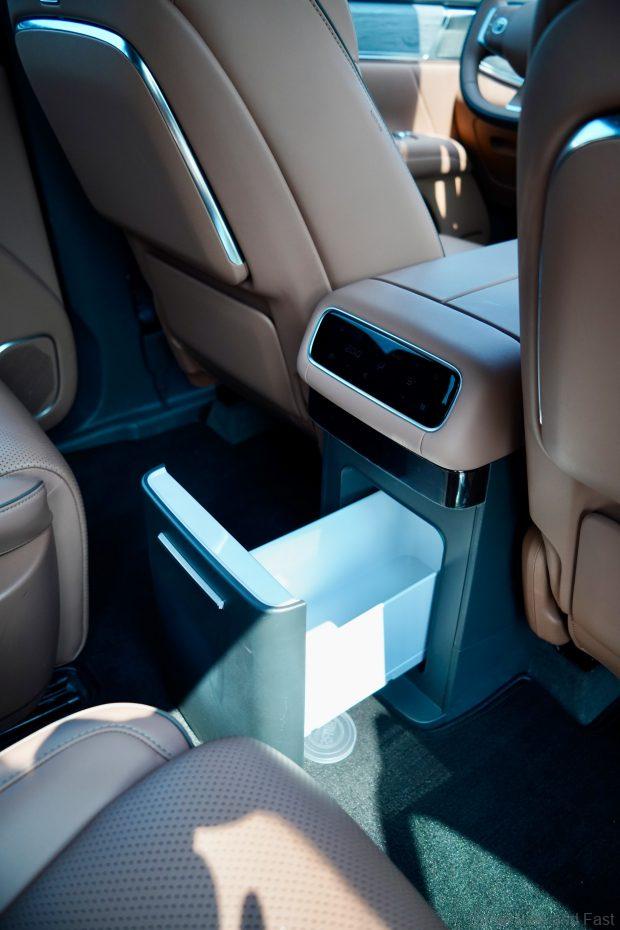
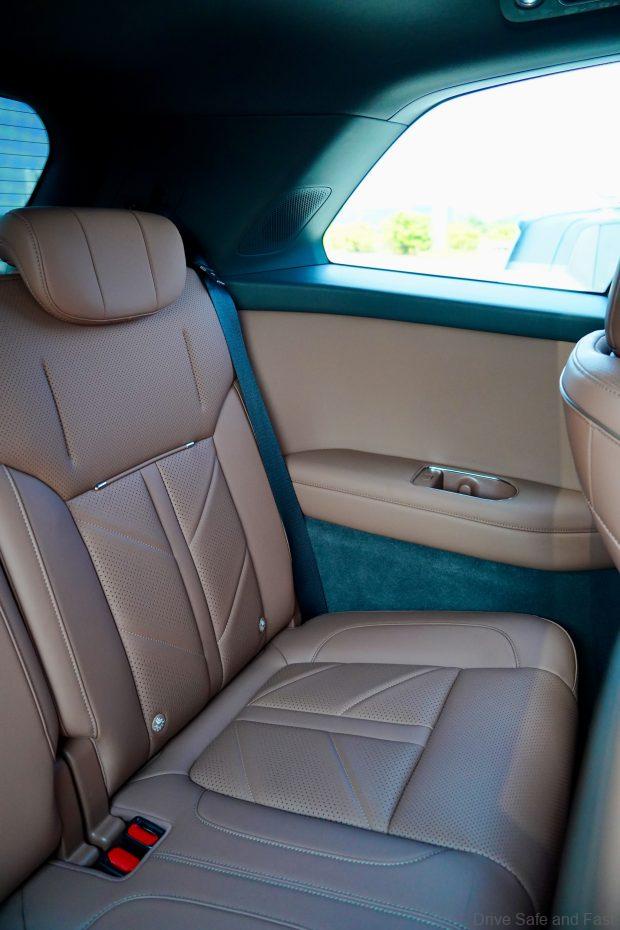
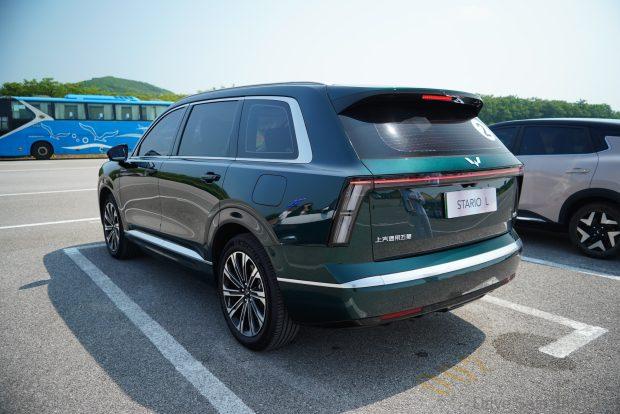
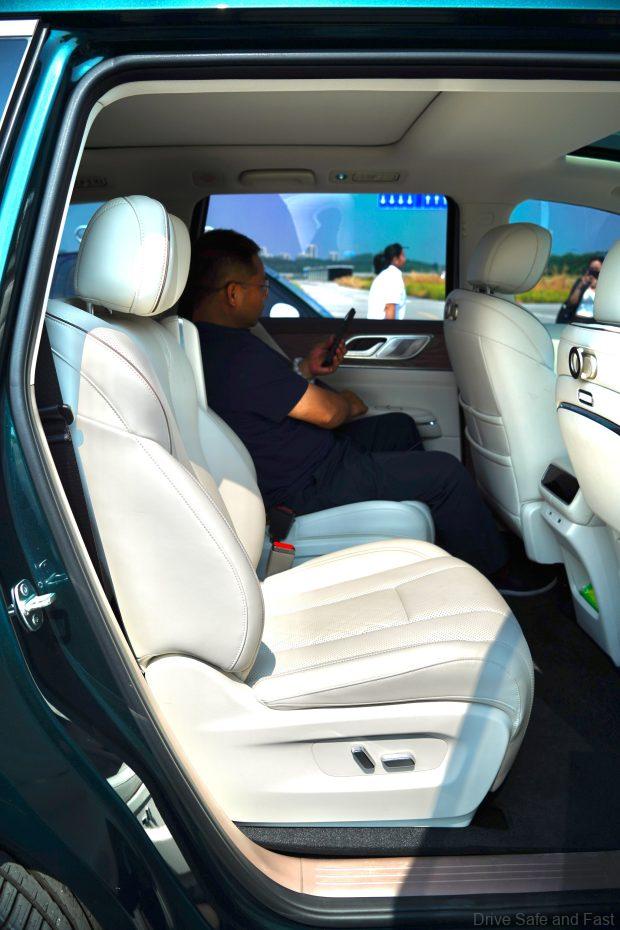
Positioned directly beneath the Huajing S, the Wuling Stario L—also referred to as the Xingguang L or Starlight L—enters as a versatile three-row crossover featuring a dedicated 2+2+2 seating configuration. Slightly more compact and attainable than the Huajing S, it adopts a plug-in hybrid (PHEV) powertrain capable of delivering a combined operating range of over 1,000 km on a full charge and a full tank of fuel.
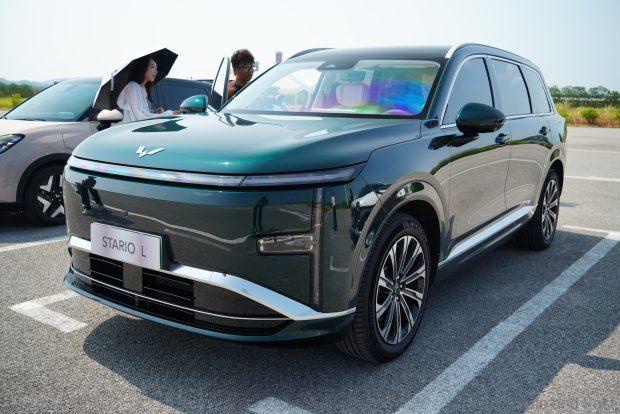
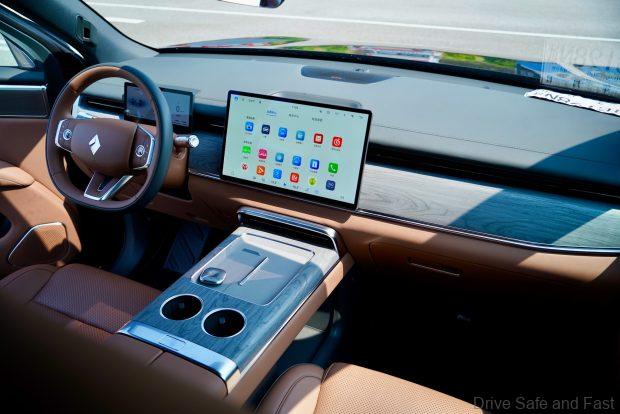
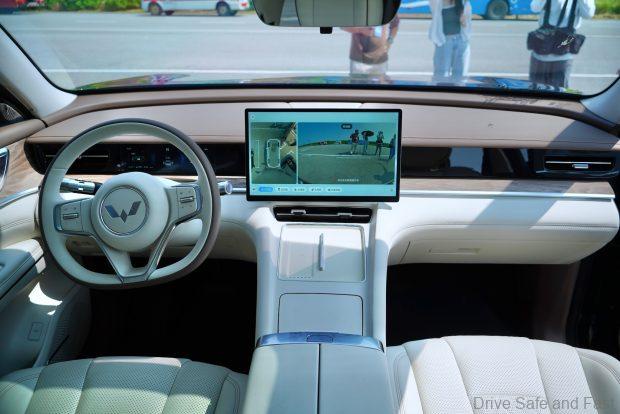
Even without the premium Baojun badging, the cabin execution avoids feeling entry-level. The interior is upholstered in leather, appointed with wood accents, and fitted with high-tier amenities such as a full-size panoramic sunroof and electrically adjustable seating across the first two rows. Its exterior styling offers a distinctive visual character, standing out with sharp proportions and a striking green exterior paint finish.
- Battery Capacity: 37.9 kWh Lithium Iron Phosphate (LFP) “Shenlian” battery pack
- Pure Electric Range: 185 km (on the CLTC cycle)
- Combined Total Range: 1,260 km (CLTC) with a fully charged battery and full tank of fuel
- Charging Capability: Supports 3C fast charging, allowing for massive energy regeneration (up to 120 kW) on highway deceleration. It can charge from 30% to 80% via DC fast charging in approximately 15 to 30 minutes depending on external charger conditions.
Wuling Porta EV: Commercial Electric Van with Tan Chong Engineering
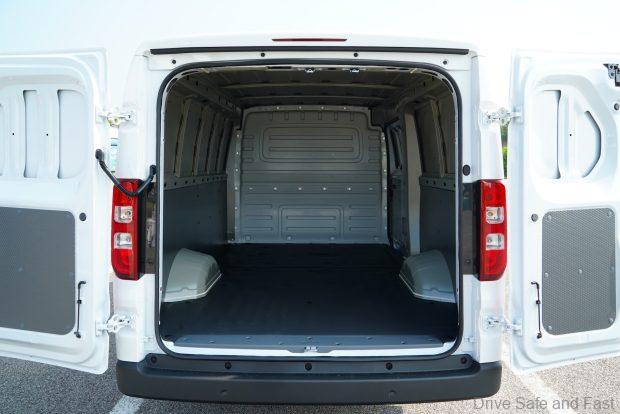
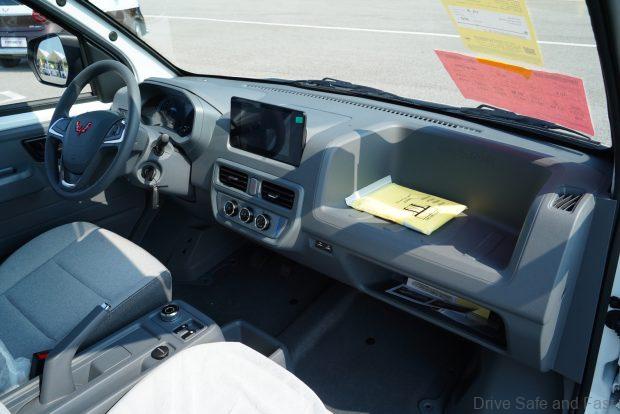
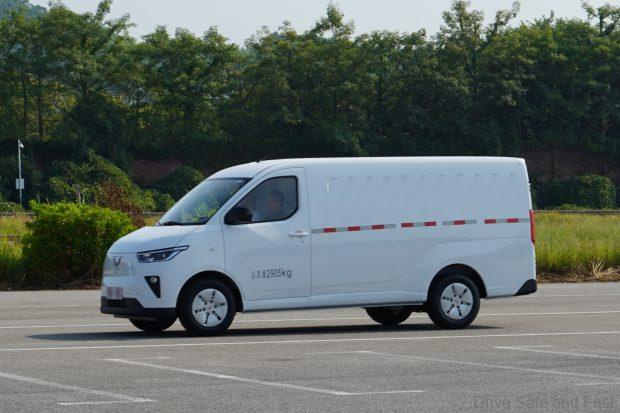
Scheduled for its official Malaysian introduction later this month, the Wuling Porta EV addresses the commercial logistics sector with certified CLTC range ratings of 300 km and 400 km. During evaluation runs at the Liuzhou testing grounds, the domestic Chinese configuration featured only a single curbside sliding door, whereas the incoming Malaysian specification introduces dual sliding doors for enhanced operational versatility.
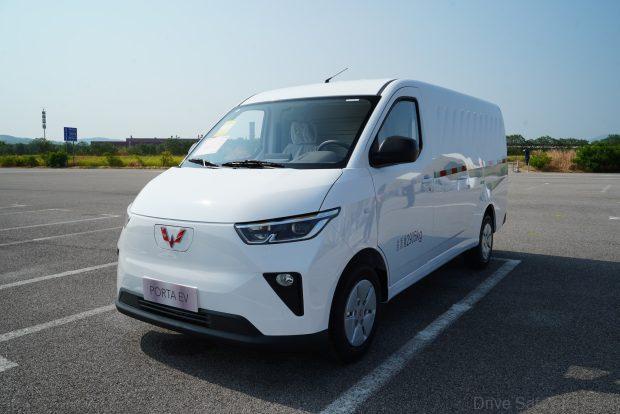
The development of the second sliding door was largely engineered locally by the Tan Chong Motor Group. This integration represents substantial domestic engineering content executed by a long-established Malaysian assembly partner, laying the groundwork for Wuling’s ongoing collaboration with Tan Chong to establish local assembly operations for electric vehicle battery packs.
1. Entry Variant (Porta 300KM)
- Battery Capacity: 41.9 kWh
- Pure Electric Range: 300 km on the CLTC cycle
- AC Charging (20% – 100%): Approximately 7 hours
2. Premium Variant (Porta 400KM)
- Battery Capacity: 56.2 kWh
- Pure Electric Range: 400 km on the CLTC cycle
- AC Charging (20% – 100%): Approximately 9 hours
3. Shared Charging & Electrical Specs
- Charging Interface: CCS2 plug standard
- DC Fast Charging: Supports rapid DC charging, capable of juicing the battery from 30% to 80% in approximately 30 minutes.
- Energy Regeneration: Built with dynamic Eco, Normal, and Sport drive modes to tailor deceleration energy reclamation
Wuling Hongguang MINI EV: Essential Urban Mobility
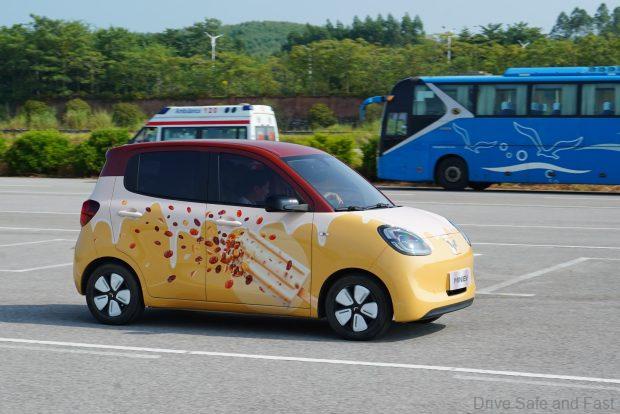
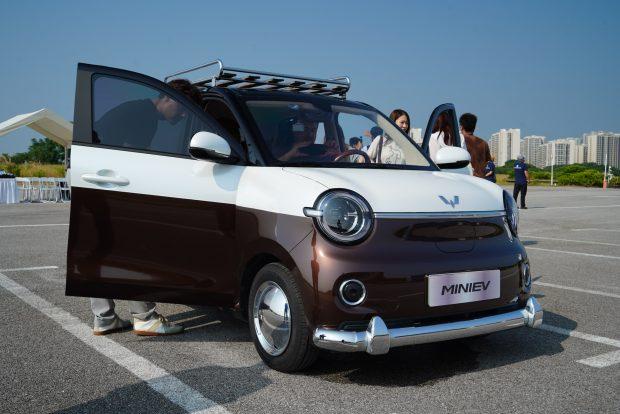
Representing the opposite end of the spectrum is the Wuling Hongguang MINI EV, a lightweight urban runabout targeted below the RM30,000 threshold with a CLTC driving range spanning between 200 km and 300 km. While modest in scale and output, it aligns directly with Wuling’s brand ethos of building functional mobility tailored specifically to everyday public requirements rather than pursuing luxury segments.
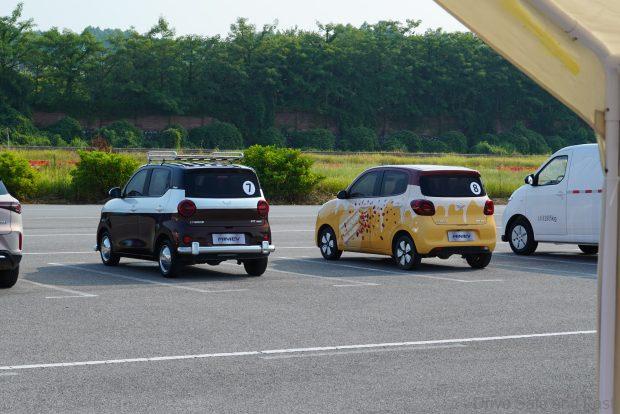
Equipped with a rear-mounted 30 kW electric motor and a top speed rated at 100 km/h, the micro-EV provides sufficient basic safety systems to navigate congested city streets. Rather than displacing an existing primary passenger car, it serves as an accessible, enclosed upgrade path for motorcycle commuters by eliminating tailpipe emissions, seating four passengers with practical cargo flexibility, and offering standard cabin air conditioning.
- Battery Tech: Wuling “Shenlian” Lithium Iron Phosphate (LFP) with low-temperature heating
- Range Variants (CLTC):
- Standard: 205 km (powered by a 16.2 kWh battery pack)
- Extended: 301 km (powered by a 25.1 kWh battery pack)
- DC Fast Charging: Supports rapid charging, going from 30% to 80% in approximately 35 minutes.
- AC Charging: Takes roughly 6.5 to 8.5 hours for full overnight replenishment depending on battery size
Wuling Bingo Family: The Expanded Pro and Bingo S Range
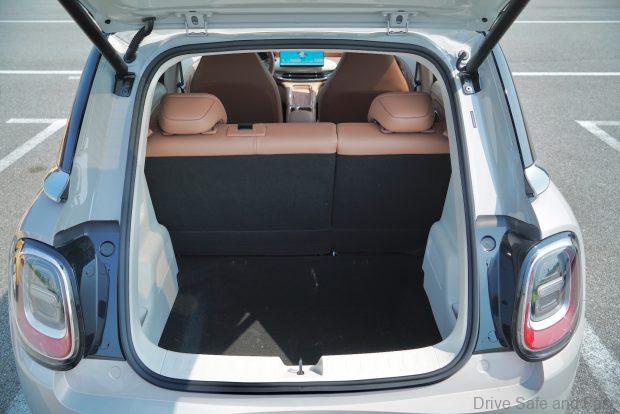
Beyond the familiar standard model, the Wuling Bingo lineup has expanded to include higher-performing variations. The Bingo Pro enhances the base city car format by incorporating an upgraded electric motor, enlarged infotainment displays, and subtle styling updates while preserving its rounded footprint.
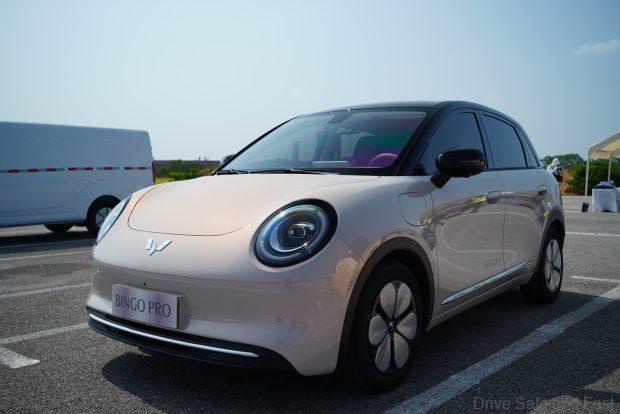
- 31.9 kWh Variant:
- CLTC Pure Electric Range: 330 km to 333 km (~230 km estimated real-world range)
- Fast Charging Rate: Supports standard 1C fast charging.
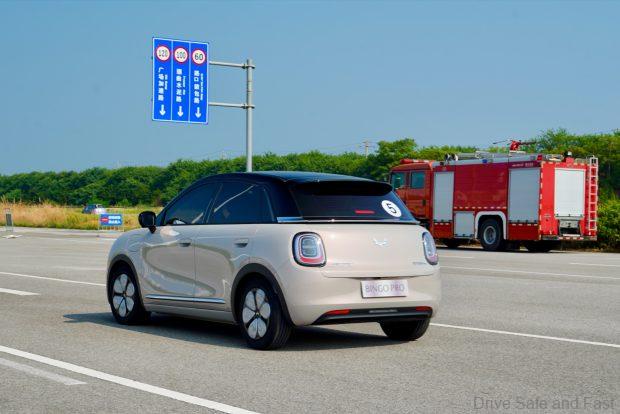
- 37.9 kWh Variant:
- CLTC Pure Electric Range: 403 km to 410 km (~290 km estimated real-world range)
- Fast Charging Rate: Upgraded to 3C ultra-fast charging.
- Charging Speeds:
- DC Fast Charging: The 3C-capable variant can blast from 30% to 80% SoC in just 15 minutes (while standard variants take around 30 to 35 minutes at a max 50 kW intake).
- AC Charging (7 kW): Fully replenishes the battery from empty in 4.5 to 5.5 hours depending on the pack size.
- V2L: Includes the standard 3.3 kW reverse power supply capability.
Stepping above it is the Bingo S, which adopts larger crossover proportions alongside an angular, masculine front-end profile. In addition to a more powerful electric motor, the Bingo S can be optioned with a 52.9 kWh battery pack delivering up to 525 km of CLTC range alongside an elevated interior trim package.
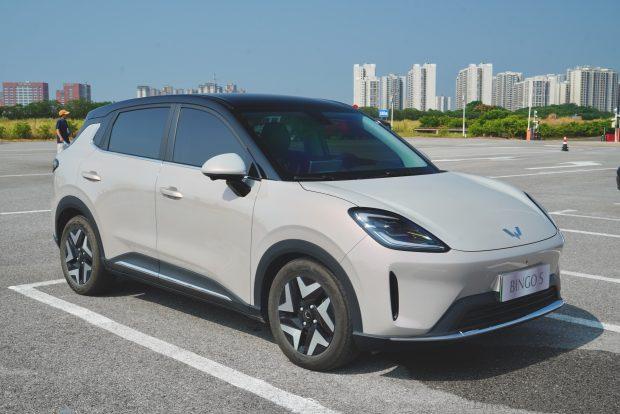
With retail pricing in China tracking neck and neck against competitors like the Proton e.MAS 5, the model stands as an interesting potential candidate for future regional consideration.
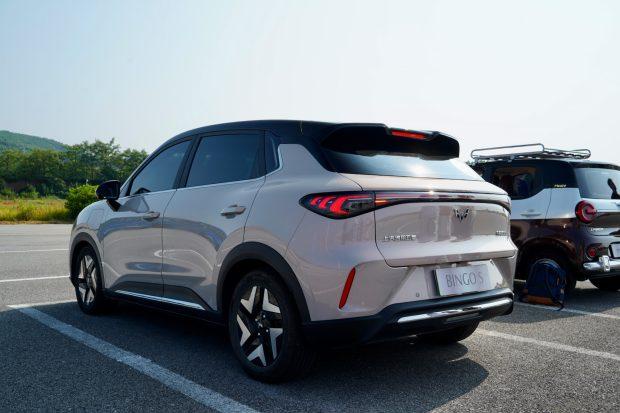
- 31.9 kWh Entry Variant: CLTC Pure Electric Range: 325 km
- 41.9 kWh Mid-Range Variant: CLTC Pure Electric Range: 430 km
- 52.9 kWh Flagship Variant: CLTC Pure Electric Range: 525 km
Wuling Darion: Accessible Twin-Door Electric 7-Seater
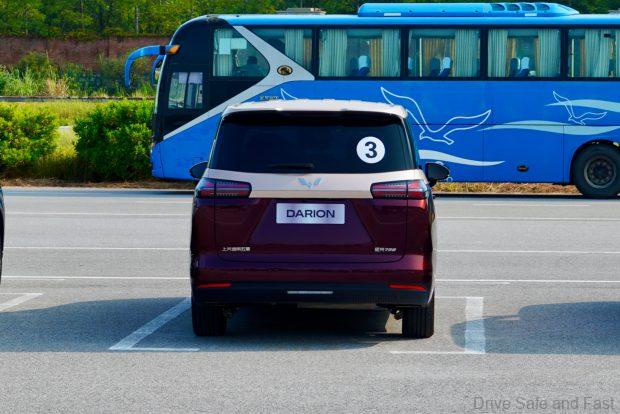
The Wuling Darion established itself as an overnight hit in Thailand, capturing strong consumer traction as the most attainable seven-seat electric people-mover equipped with dual powered sliding doors in the country.
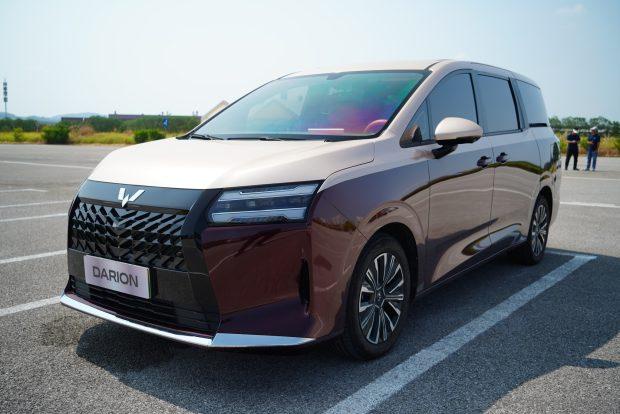
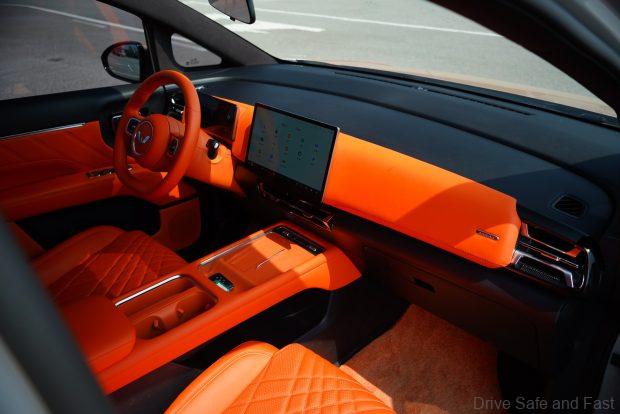
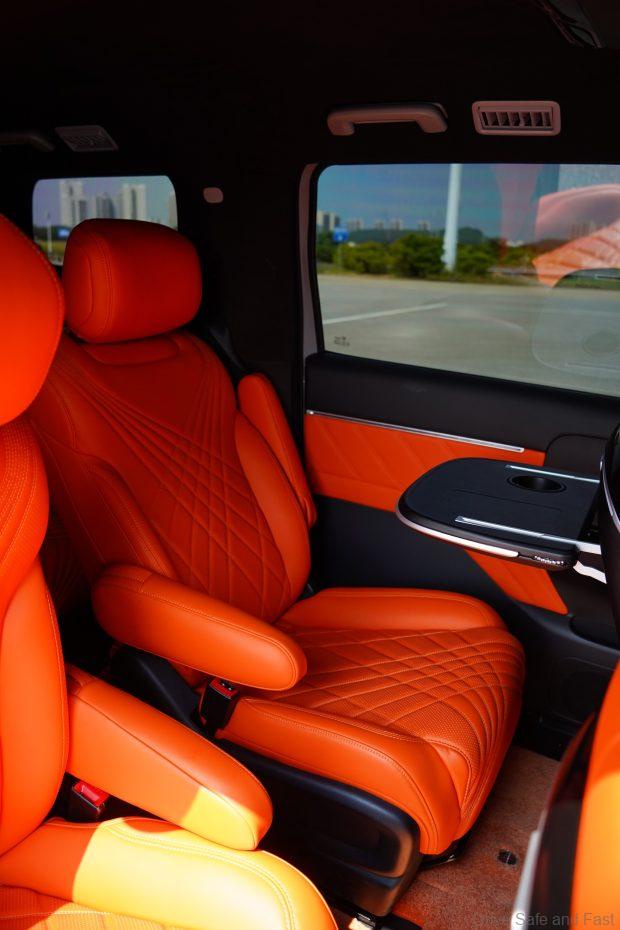
While the launch cabin featured a polarizing bright orange interior scheme, multiple restrained interior palettes are available across the catalog.
Positioned hypothetically around the RM100,000 price point in Malaysia, an electrified package of this utility presents an interesting value alternative against established compact internal-combustion MPVs.
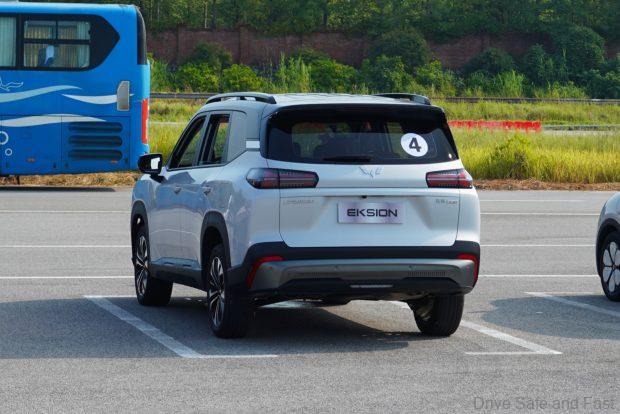
Wuling Eksion: Dedicated Multi-Energy ASEAN People Mover
Rounding out the regional family carriers is the Wuling Eksion, an established multi-purpose model already retailing across Indonesia and Thailand.
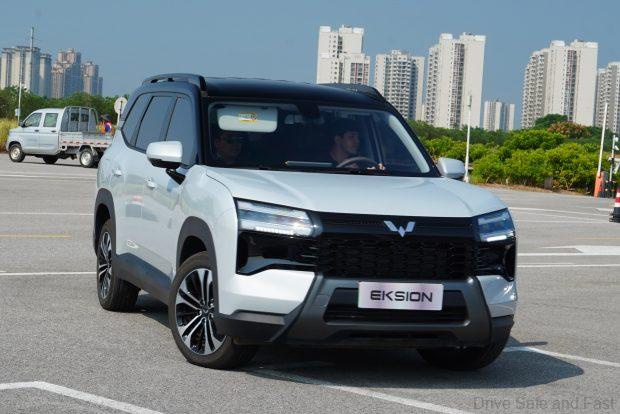
Available in both battery-electric (EV) and plug-in hybrid (PHEV) configurations, the vehicle provides three-row seating for up to seven passengers. It features distinct exterior styling while maintaining the core packaging priorities demanded by Southeast Asian multi-passenger transport.