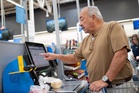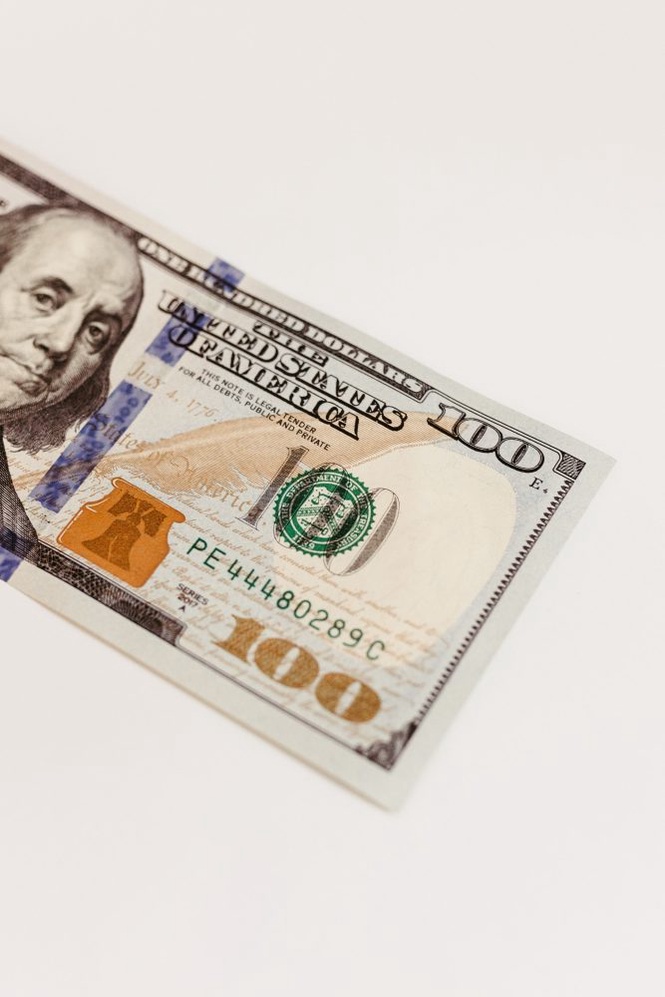
You walk into the grocery store for a gallon of milk, maybe a loaf of bread, and expect to leave in five minutes. Then you spot a sale on snacks, a seasonal display near the entrance, and a few things you suddenly remember needing. By checkout, your quick trip has turned into a $100 purchase, even though you never planned a full grocery run. This experience is not always about poor budgeting. Grocery stores use product placement, promotional displays, and other merchandising strategies that can encourage shoppers to add items to their carts. Understanding these tactics can help you recognize when a purchase makes sense and when it is simply an unplanned expense.
1. Essential Items Can Send You Past More Products
Many shoppers have heard that milk is placed at the back of the store to force customers to walk past everything else. Store layouts do vary, and milk placement is not always a deliberate spending tactic. Refrigeration systems, restocking access, and store design can also influence where dairy products are located. Still, when an item you came to buy is far from the entrance, you may encounter several displays and aisles before reaching it.
That extra exposure creates opportunities to notice products you did not intend to purchase. You might remember needing coffee, spot a new snack, or decide to browse a sale while passing by. The easiest defense is to make a short list before leaving home and head directly toward the items you need. If you only came for milk, you do not have to turn the trip into a full tour of the store.
2. End-Cap Displays Make Products Hard to Ignore
Those colorful displays at the ends of grocery aisles are called end caps, and they are valuable retail space. Stores use them to highlight seasonal goods, popular products, and promotional items. Research on supermarket displays has found that end-cap placement can increase product sales, making these spots useful for retailers trying to draw attention to particular items.
The catch is that an end-cap display does not automatically mean a product is cheaper. A stack of chips or bottled drinks may look like a special offer simply because it is displayed prominently. Before putting something in your cart, compare the price with its regular shelf location or check the unit price. If it was not on your list and the price is no better than usual, you can keep walking.
3. Buy-One-Get-One Deals Encourage Bigger Purchases
Buy-one-get-one promotions can be genuinely useful, especially for pantry staples and products your household regularly uses. However, the offer can also encourage you to buy more than you need. A shopper who planned to purchase one jar of pasta sauce may leave with two, even if the second jar will sit in the pantry for months.
Before taking advantage of a multibuy promotion, check whether you would buy the item at its regular price and whether you can use the extra quantity. Some offers require buying multiple items to receive the advertised discount, while others may apply automatically to a qualifying purchase. The Federal Trade Commission’s guidance on promotional pricing emphasizes that the terms and conditions of a deal matter. A bargain is only useful when the extra product serves a purpose.
4. Product Pairings Make You Buy More Than One Thing
Grocery stores often place complementary products near each other or feature them together in displays. You might see pasta beside sauce, strawberries alongside shortcake ingredients, or chips displayed near salsa. The arrangement suggests an easy meal or snack, and it can prompt shoppers to purchase additional items they had not planned to buy. The Center for Science in the Public Interest identifies these product pairings as one way supermarkets encourage extra purchases.
These displays can be convenient when you genuinely need everything for a recipe. The problem comes when the pairing makes you feel as though you need another item to complete a meal you had not planned to make. Before picking up the second product, consider whether you already have something at home that would work. Buying salsa because you need it is different from buying chips, dip, and a specialty drink because they happen to be displayed together.
5. Free Samples Can Turn Browsing Into Shopping
A free sample seems harmless because you do not have to pay to try it. But tasting a new snack, cheese, or prepared food can make you more interested in purchasing the full package. Sampling stations also give shoppers a reason to stop in an aisle they might otherwise pass through quickly.
There is nothing wrong with trying a product you are genuinely interested in. The key is to avoid treating a sample as a commitment to buy. If you enjoy it, check the price and package size before deciding whether it deserves a place in your cart. You can also compare it with similar products you already purchase. A free bite may introduce you to something useful, but it does not mean you need to take home a new grocery item.
6. Bakery Smells and Seasonal Displays Spark Cravings
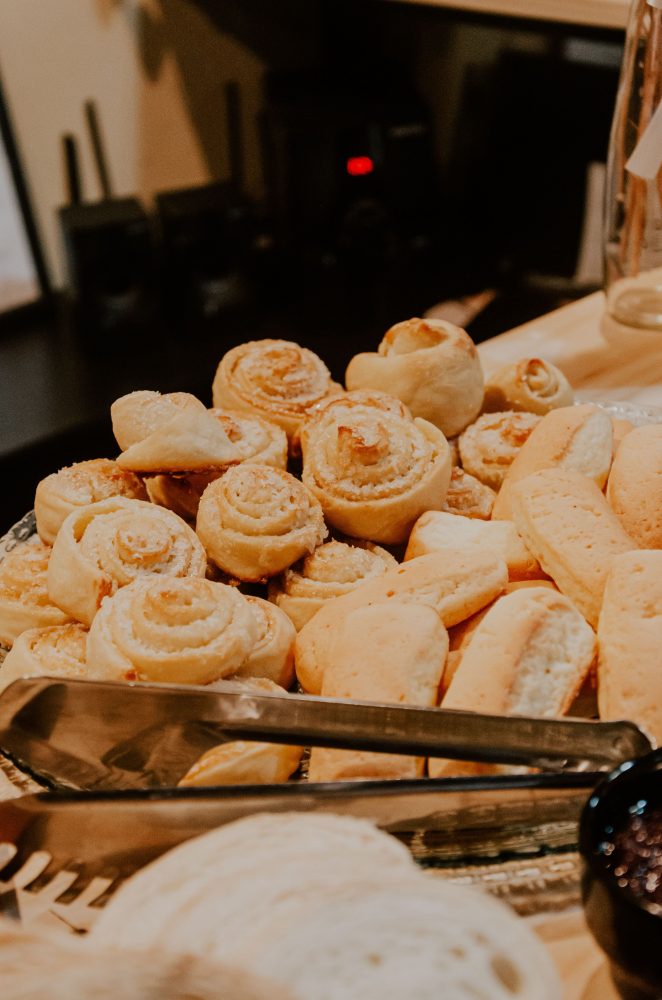
The smell of freshly baked bread can make a grocery store feel inviting, while displays of pumpkin treats, holiday candy, or summer grilling products can make certain foods seem especially appealing. Seasonal merchandising gives shoppers ideas for celebrations and meals, but it can also make limited-time products feel more urgent than they really are.
That urgency can lead to purchases that fall outside the weekly budget. A seasonal dessert may look perfect for a gathering, but if there is no event planned, it could become an unnecessary expense. Give yourself a moment to decide whether you want the product enough to pay for it. You do not have to avoid every seasonal treat; choosing one deliberately is often more satisfying than filling the cart with several impulse purchases.
7. Eye-Level Shelves Can Shape What You Choose
Not every product on a grocery shelf receives the same visibility. Brands compete for shoppers’ attention, and product placement can influence which packages people notice first. Eye-level shelves may feature familiar national brands or products with prominent packaging, while alternatives sit above or below them.
This does not mean every product at eye level is overpriced or that the cheapest option is always hidden. It does mean you should compare choices rather than automatically grabbing the first package you see. Check the shelf labels, compare package sizes, and look at the unit price when it is available. A different brand or a less eye-catching package may offer better value, but the numbers should guide your decision instead of shelf position alone.
8. Checkout Lanes Put Last-Minute Temptations Within Reach
After navigating the aisles, shoppers still have to wait in line, often surrounded by candy, gum, drinks, and small convenience items. These products are easy to add because they require little thought and usually cost less individually than a full grocery item. The Center for Science in the Public Interest identifies checkout placement as a common way stores encourage impulse purchases.
A few small purchases can still push the total higher, particularly when they happen on every shopping trip. Decide before reaching the register whether you need anything from the checkout area. If the answer is no, keep the cart focused on the list. Parents can also set expectations before entering the store so requests for candy or toys do not become an unexpected part of the budget.
9. Bigger Packages Can Make Spending More Feel Like Saving
Large packages and multibuy promotions can create the impression that you are getting a better deal. Sometimes you are, especially when you buy products your household uses consistently. But a bigger package is not automatically cheaper per unit, and even a low unit price is a poor value if part of the product goes unused.
The Federal Trade Commission recommends paying attention to unit prices when comparing products, particularly when packaging sizes change. Check the price per ounce, pound, or count rather than relying on the package’s size or promotional label. Then consider how quickly you will use the item and whether you have room to store it. Buying more can save money, but only when the product fits your actual needs.
How to Leave the Store With What You Came For
The best way to counter grocery store merchandising is to decide what you need before entering the store. Make a list, check your pantry and refrigerator, and set a spending limit that fits the trip. Compare unit prices, question multibuy offers, and permit yourself to ignore displays that do not serve a real need. If you only need milk, you can buy milk and leave.
A $100 grocery receipt is not automatically a sign that you were tricked; prices, household needs, and the items purchased all matter. But if small trips repeatedly become expensive, reviewing your receipt can reveal where unplanned purchases add up. Recognizing these common store tactics gives you more control over what goes into your cart and helps keep grocery spending aligned with your budget.
What To Read Next
The Price Tag Trick That Makes a Smaller Grocery Package Look Cheaper
7 Grocery Store Tricks That Make You Spend More Without Realizing It
The Unit-Price Trick That Reveals the Real Cheapest Option
6 Sneaky Grocery Store Layout Tricks Designed to Make You Spend More
How to Spot a Genuine Grocery Sale vs. a Marketing Trick
The post Went In for Milk and Spent $100? These 9 Grocery Store Tricks Help Explain Why appeared first on Grocery Coupon Guide.