When I was four years old, I shut myself inside my wardrobe. Curious to know what it would be like, I went into the tiny, dark room, only to realise I didn’t know how to get out.
Not yet old enough to understand that panicking isn’t the most efficient way to solve a problem, I screamed and cried. Moments later, my dad rescued me from the dark, scary room, but I was still hyperventilating. To calm me down, he held up a finger and blew on it, then he told me to do the same.
Then he moved his hand a little further away and told me to try again. I took a deeper breath and repeated the exercise. We continued this way until I felt present again and in control. Everything was okay.
As an adult, I’ve become more interested in techniques that calm the nervous system. I’ve found meditation and movement to have life-changing benefits, so when the chance to join a famous Qi Gong day retreat came up, I was keen to try it.
Shift is a wellness retreat run by the people behind Camp Kerala, the ultra-luxury glamping sanctuary on the edge of Glastonbury Festival. Typically, Shift retreats take place over a few days and include various practices and therapies, including Qi Gong, breathwork, sauna, massage, meditation, sound bath, and cold water therapy, and healthy, seasonal feasts. The day retreat I booked focused on the ancient practice of Qi Gong, which combines breathwork with slow, intentional movement to create space, allow feelings to surface, and reconnect with our bodies and minds.
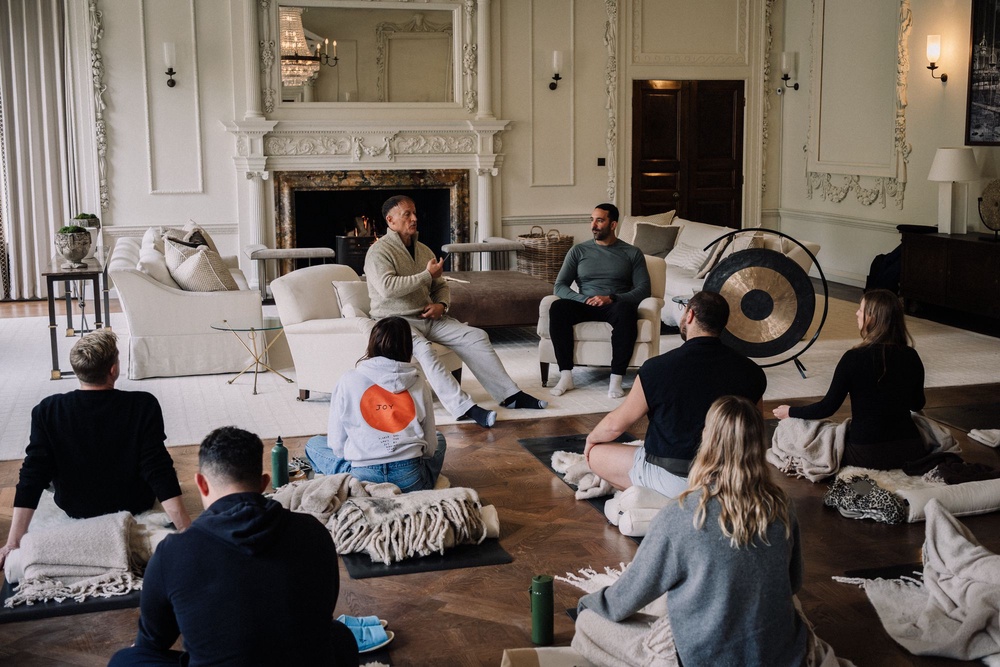
It was hosted at The Roof Gardens, a private members’ club with 6,000 square metres of lush rooftop gardens in London’s Kensington. The club was the venue for the British Fashion Council’s closing party during London Fashion Week in 2024.
I was anxious to arrive, but found a friendly group of 40 other participants waiting to greet me. We exchanged pleasantries over cold-pressed juices while we waited for the main event.
Camp Kerala’s managing partner, Bert Broughton, explained that “wellness” is a massively overused word.
He said: “Everyone wants to dip into it – to create a supplement, or this, that, and the other. There’s a sort of saturation in the market.
“For me, wellness is actually simplifying [wellness] and looking at what works for you as an individual. It’s figuring out which practices fit your daily routine. It’s giving people an aspect of community so they feel held while also learning about themselves and having a renaissance, or a rebirth of self.”
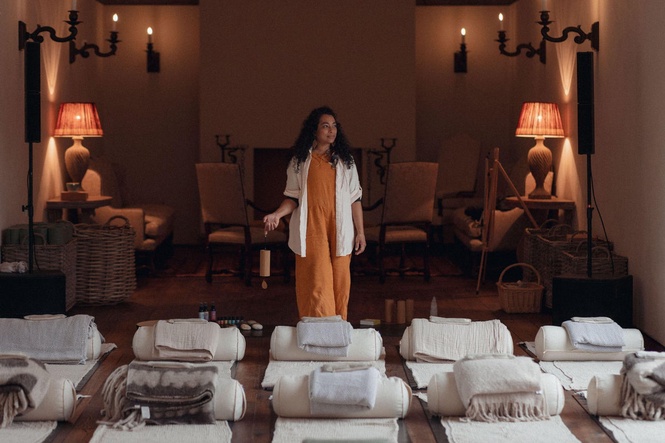
We were led into a room set up like a yoga studio, with mats, blankets and yoga blocks. Arron Collins-Thomas, wellness guide and movement specialist, introduced us to our first practice: to observe.
“Breathwork, nature, good food, community and connection are what it’s all about,” he said.
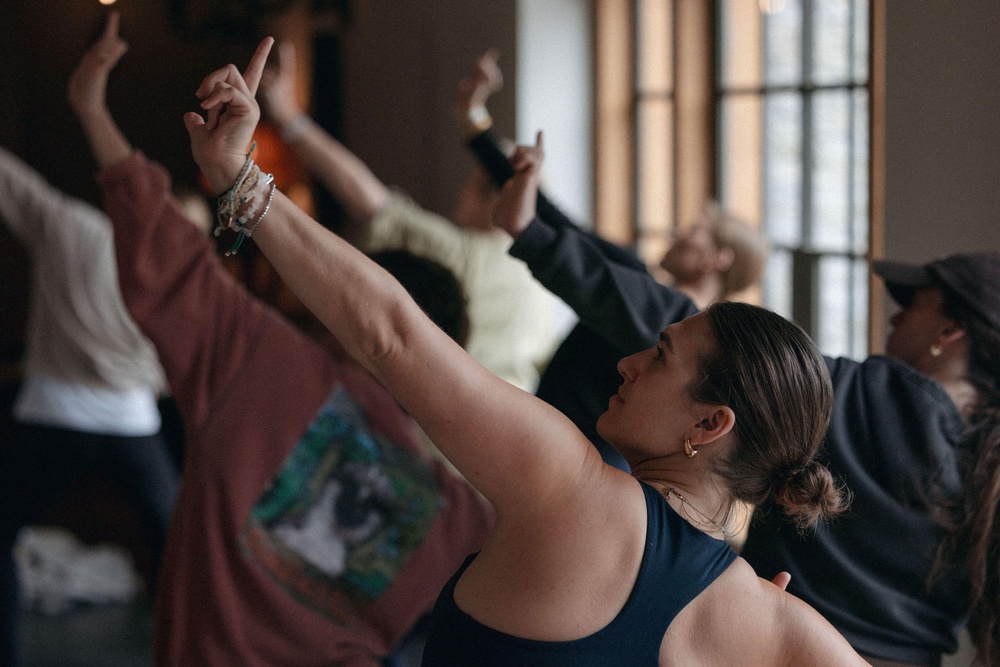
We started with a session focusing on gentle yet intentional movement, working with our fellow participants. Next, we slowed down and focused on our breath, noticing how it naturally moves and aiming to control it. We were encouraged to breathe in and out normally, but to tune into our breath, noticing the pace, the depth, and the temperature of our bodies as we did so.
Read more: Best spa hotels UK for a relaxing break 2026
Suddenly something that was background noise in my day-to-day life was given space and attention. I felt a physical shift.
“These days, we don’t have much chance to slow our minds down, or to slow in general. If you give yourself five minutes, take a few breaths, and let your nervous system calm, it’s like giving your body a micro holiday,” said Collins-Thomas.
It was a sentiment I understood. I have a busy life, and it makes slipping out of healthy routines all too easy, even when those routines sometimes feel like what's holding life together. This retreat reminded me that in a group setting, where the task feels like a shared obligation, the routine becomes bigger than the distractions.
Next up was a session with Camp Kerala’s top therapist Roger Moore, who has over 30 years of experience as a wellness practitioner, who walked us through another set of meditation movements. Moore had us pair with a stranger and do a partner exercise: wrists locked together, eyes closed. Through circular movements, we practised yin and yang in physical form. I initially felt exposed and vulnerable, but after giving myself over to the idea, I practised balance in a way I’d never experienced before.
Our final teacher for the day was Shanti Faiia, a breathwork healer, reiki master, theta healer, yoga nidra guide, and yoga teacher. Shanti explained step by step what the next 30 minutes would look like, including any potential unexpected reactions that might come up for anyone new to group breathwork.
Read more: A sauna culture is transforming how people explore Scotland’s wilds
Like everyone else, I lay down on my yoga mat, got comfortable with yoga pillows, blocks, and blankets, and shut my eyes. Shanti turned up her playlist and instructed us to breathe as she had shown us: two sharp breaths in, one strong breath out, and repeat.
It’s hard to describe what happened next because it was a mix of so many feelings, emotions, and sensations. The exercise puts you in a parasympathetic nervous system state, often called the “rest and digest” state, while the sympathetic nervous system is the “fight or flight” mode. As one attendee explained afterwards, it can feel like an out-of-body experience.
Some of us cried. Some laughed. Some of us experienced memories we hadn’t accessed in years. For me, I experienced a wave of calm. In moments, I felt restricted. But then I breathed through it until I felt free again. I felt bubbly and weightless, and by the end, I felt renewed. Overall, it left me feeling more connected to myself and the world around me than when I first walked in.
The practice of Qi Gong and the retreat as a whole offered something that felt like a luxury these days: access to lightness and possibility.
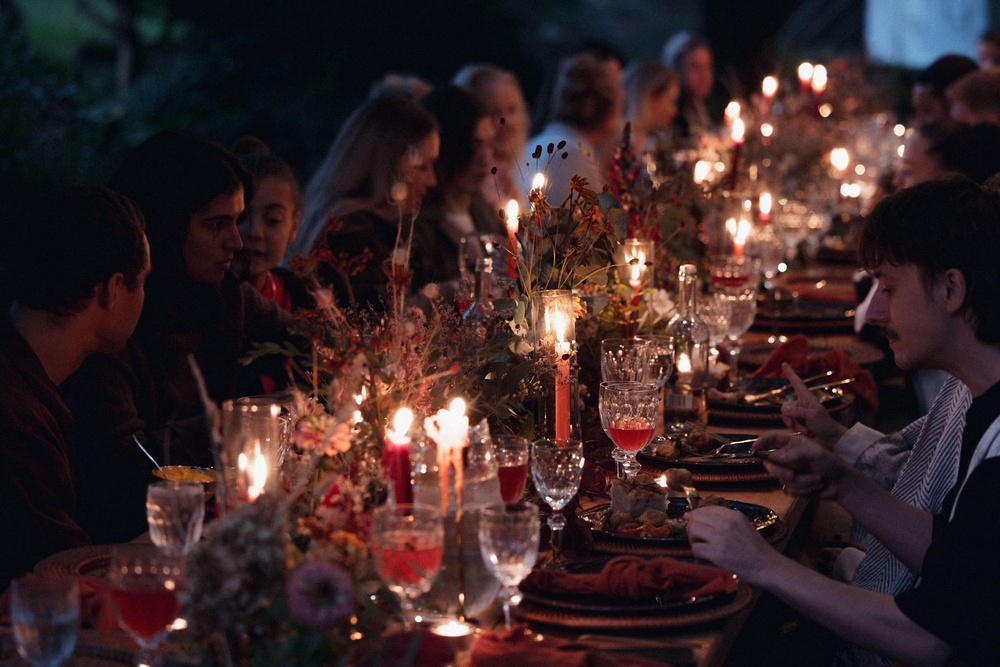
We finished the practice by slowly bringing ourselves back into the room and sharing the experiences we’d had together as a group. We listened and held space for each other. Then, we shared a nourishing meal together. It was a chance to connect with the strangers we’d just shared an intimate experience with in a laidback setting, with the opportunity to ask questions and learn more.
That evening and in the days that followed, I found myself looking at my life and my decisions with a more relaxed headspace. In a wellness world full of complicated fixes, Qi Gong’s appeal might lie in its simplicity: slow movements, deep breathing, and the radical act of noticing oneself.
The retreat, but more importantly the people, had given me just the reset I needed.
Niki was hosted by Camp Kerala
Find out more about Camp Kerala’s Shift retreats at campkerala.com
How a nature reserve in Tuscany taught me to be comfortable in silence
How I shed my British awkwardness to embrace rock ‘n’ roll naked saunas
The best UK wellness escapes for a seriously relaxing staycation
How I shed my British awkwardness to embrace rock ‘n’ roll naked saunas
The best UK wellness escapes for a seriously relaxing reset
Could a New York hotel fix my insomnia in the city that never sleeps?