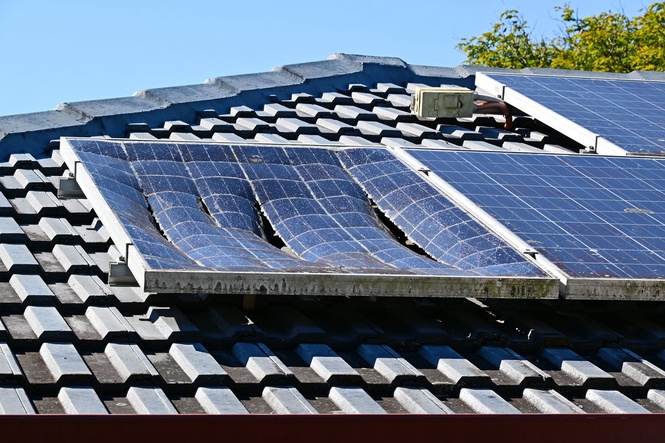
Installing solar panels can be an effective way to reduce your electricity bills and protect yourself against rising energy prices. But what happens if your new system doesn't work as expected, the installation damages your roof, or the company that fitted your panels refuses to make things right?
Although solar panels are generally reliable and require relatively little maintenance, problems can occur during installation or sometimes months or years later. These can range from faulty wiring and leaking roofs to disappointing electricity generation, defective equipment or, in some cases, even unfinished work.
Fortunately, homeowners have rights when installation work falls below an acceptable standard. There are also industry certification and consumer protection schemes that may be able to help resolve disputes.
If something has gone wrong with your solar panel installation, here's how to identify the problem and understand your options if the installer won't cooperate.
Read more: The best solar panel installers in the UK
Interested in solar? Use our free tool to get a quote
What can go wrong with a solar panel installation?
Most solar panel systems should operate reliably for decades, but that doesn't mean problems will never occur. Some faults are immediately obvious, while others may only become apparent when you start monitoring your electricity generation or notice damage to your property.
Common solar panel installation problems include:
- Roof damage and leaks: Poorly fitted mounting brackets, damaged tiles or inadequate waterproofing can allow water into your roof
- Electrical faults: Incorrect wiring, loose connections or poorly installed electrical equipment can prevent a system from working properly and potentially create safety risks
- Inverter or battery problems: Faulty equipment or incorrect configuration can affect how much solar electricity your home can use
- Poor system performance: Incorrect panel positioning or installation errors may result in less electricity being generated than expected
- Incomplete work: An installer may fail to finish the job or commission the system properly
- Missing paperwork: Homeowners may not receive their MCS certificate, warranties, electrical installation certificates or other documentation
- Poor aftercare: Some installers may be slow to respond to complaints or difficult to contact when something goes wrong
However, disappointing electricity generation doesn't necessarily indicate there is a fault in your system.
Solar panels naturally produce less electricity during winter and on cloudy days. The amount generated also depends on factors including your roof orientation, shading and the size of the system. It's important to compare actual performance with the estimates provided by your installer, taking seasonal variations into account.
Read more: Do solar panels work in winter and on cloudy days?
What should you do first if your solar panels aren't working properly?
If you suspect there's a problem with your installation, don't immediately attempt to repair the equipment yourself. Solar panel systems involve electrical components that can remain live even when parts of the system are switched off. What’s more, you may invalidate your warranty if you try to repair it yourself.
Instead, follow these steps:
1. Check for obvious problems
Start by checking your inverter display or monitoring app for error messages. Many modern solar systems provide information about electricity generation and equipment faults.
You can also compare your recent generation figures with previous periods and the estimates supplied by your installer. Bear in mind that output will fluctuate throughout the year.
Look for visible signs of damage from a safe location, such as broken panels, loose mounting equipment or water entering your loft.
If you notice a burning smell, sparking, exposed wiring or other signs of an electrical hazard, keep clear of the equipment and contact a qualified professional urgently. Only isolate the system if you can do so safely and in accordance with the manufacturer's instructions.
Never climb onto the roof, open electrical equipment or disconnect solar panel wiring yourself.
2. Gather evidence of the problem
Before contacting the installer, collect as much information as possible about what's gone wrong. This could include photographs of visible damage, screenshots of inverter error messages, electricity generation records and details of when the fault first appeared. You should also find your original quotation, contract, invoices, warranties and installation certificates.
Keep a record of any conversations with the installer, including dates, emails and text messages. This information could become important if you need to escalate your complaint.
3. Contact your original installer
In most cases, the company that sold or arranged your solar panel installation should be your first point of contact. Explain the problem clearly, provide supporting evidence and ask the company to investigate and put things right.
It's best to make your complaint in writing, even if you've already spoken to someone by telephone. This creates a record of what you've reported and what the installer has agreed to do. Ask for a written response and a reasonable timescale for inspecting or repairing the installation.
If the company subcontracted the work to another business, that doesn't necessarily remove its responsibility. Citizens Advice says consumers should normally raise problems with the trader that arranged the work.
What are your rights if solar panels have been installed badly?
If your solar panels have been installed incorrectly, you may be protected by the Consumer Rights Act 2015.
Under the legislation, businesses providing services must carry out their work with reasonable care and skill. This applies to solar panel installation in the same way as other home improvements.
If the installation falls below that standard, you can generally ask the company to correct the problem at no additional cost.
The installer must carry out the necessary remedial work within a reasonable time and without causing significant inconvenience. If the company cannot or will not put the problem right, you may be entitled to a price reduction or refund, depending on the circumstances. For example, if an installer damages your roof while fitting solar panels, you shouldn’t normally have to pay extra for it to correct the damage caused by poor workmanship.
However, your rights will depend on the nature of the problem and the terms of your agreement. A system generating less electricity than a sales estimate, for example, doesn’t automatically mean the installer has breached the contract.
For more information, see the Citizens Advice guidance on problems with home improvements.
What if your solar panel installer won't fix the problem?
If you've complained to your installer but haven't received a satisfactory response, several organisations may be able to help.
The appropriate route will depend on your installer's accreditation and membership of consumer protection schemes.
Complain through MCS
The Microgeneration Certification Scheme (MCS) is an independent certification scheme that sets standards for renewable energy products and installations, including solar panels.
If your installation falls within its remit, MCS may be able to investigate complaints relating to workmanship, incomplete installations, commissioning, property damage and other installation problems.
MCS can liaise with the installer and relevant certification organisations to help establish what has gone wrong and seek a resolution. You can check your paperwork and the MCS website for details of the scheme and its complaints process.
Contact the installer's consumer protection scheme
Solar installers may also belong to a consumer protection organisation such as the Renewable Energy Consumer Code (RECC) or the Home Insulation & Energy Systems Contractors Scheme (HIES). These schemes can provide some additional protections and offer access to dispute resolution services for eligible customers.
If your installer belongs to RECC, new complaints can be referred to Green Homes Dispute Resolution, which is a free, independent service for resolving disputes involving renewable energy and other low-carbon home improvements. RECC transferred new complaints to this service from January 2026.
If your installer belongs to HIES, check its complaints procedure and dispute resolution arrangements.
It's always important to check which scheme your installer belongs to, as membership and eligibility requirements can affect the support available to you.
Contact Citizens Advice
If you're unsure where to complain or need help understanding your rights, Citizens Advice can provide you with free consumer guidance. It can explain your options under consumer protection law and refer relevant information to Trading Standards where appropriate.
You may also want to obtain independent legal advice if the dispute involves substantial financial losses or property damage.
What happens if your solar panel installer has gone out of business?
Finding out that your installer has stopped trading can be particularly worrying if your solar panels develop a fault or you discover problems with the original installation. However, you may still have some protection, depending on the warranties and insurance arrangements in place.
Start by checking your installation paperwork for the following:
- Manufacturer warranties: Solar panels, inverters and batteries usually have their own product warranties, which may remain valid even if the installation company has closed
- Insurance-backed guarantees: These can provide protection for certain workmanship problems if the original installer is no longer trading, subject to the policy's conditions
- Deposit protection: If you've paid a deposit for work that wasn't completed, you may have protection through the installer's consumer protection scheme or a separate insurance arrangement
Contact the relevant warranty provider, insurer or consumer protection scheme to find out whether your claim is covered.
Remember that a manufacturer's product warranty isn’t the same as an installation warranty. A solar panel manufacturer may cover a defective panel, for example, but not the cost of repairing roof damage caused by poor installation.
If you cannot find your original paperwork, MCS or the relevant consumer protection organisation may be able to advise on the next steps.
Can you get your money back if the installation goes wrong?
Depending on how you paid for your solar panels, you may have additional financial protection.
If you paid by credit card, Section 75 of the Consumer Credit Act 1974 may make your card provider jointly responsible for a qualifying breach of contract or misrepresentation. This protection generally applies where the cash price of the goods or services is more than £100 and no more than £30,000, even if you only paid a deposit using the credit card.
If you used a debit card, or your credit card purchase doesn't qualify for Section 75, you may be able to request a chargeback through your bank or card provider. Chargeback isn't a statutory right, and time limits apply.
Homeowners who purchased their systems through a finance agreement should contact their finance provider to find out whether they can raise a claim.
These options don't guarantee a refund, but they may be worth exploring if the installer has refused to resolve the problem or has ceased trading.
Should you get another solar installer to inspect the system?
If the original installer can’t identify the fault, disputes responsibility or is no longer trading, an independent inspection may help establish what has gone wrong.
An experienced solar installer or suitably qualified electrician can assess the system, identify potential installation defects and recommend repairs. Ask for a written report explaining the findings, ideally supported by photographs, test results and an estimate for any remedial work. This can prove to be useful evidence if you're pursuing a complaint or claim.
However, unless there's an immediate safety risk, it's generally sensible to give the original installer a reasonable opportunity to inspect and correct the problem before commissioning substantial repairs elsewhere. Otherwise, you could make it more difficult to establish responsibility or recover the costs.
For roof leaks or structural damage, you may also need an independent roofing contractor or surveyor to assess the problem.
Who should you contact about a solar panel installation problem?
Problem | Who to contact first |
Solar panels generating less electricity than expected | Original installer |
Inverter or battery fault | Original installer or warranty provider |
Roof damage or leaks after installation | Original installer; roofer if urgent |
Suspected electrical safety issue | Qualified electrician or solar professional urgently |
Installer refusing to fix poor workmanship | MCS or relevant consumer protection scheme |
Installer has gone out of business | Insurance-backed guarantee provider or manufacturer |
Dispute over payment or refund | Installer, then card or finance provider if eligible |
Unsure about your consumer rights | Citizens Advice |
How can you avoid solar installation problems?
Although no installation is completely risk-free, choosing a reputable installer and checking the details of your contract can significantly reduce the likelihood of problems.
Before agreeing to have solar panels fitted, consider the following:
- Check accreditation: Look for an installer certified through MCS or an appropriate equivalent scheme, and verify its status using the scheme's official directory
- Check consumer protection: Find out which consumer code the installer belongs to and whether it provides insurance-backed workmanship and deposit protection
- Compare several quotes: Ask for detailed quotations that specify the equipment, installation costs, estimated annual generation and any additional work required
- Understand the warranties: Check how long the manufacturer's product warranties and installer's workmanship guarantee last, and what each covers
- Ask about aftercare: Find out who will handle faults, maintenance and warranty claims after installation
- Keep your paperwork: Store your contracts, system specifications, certificates and warranties somewhere accessible
Be particularly wary of installers making unrealistic savings promises or pressuring you to sign a contract immediately. Solar panels represent a substantial investment, and the quality of the installation can be just as important as the equipment you choose.
Read MoreHow to earn money from solar panels and cut your energy bills
How long does it take for solar panels to pay for themselves?
Are solar panels worth installing in the UK?
How much solar panels cost in the UK, according to an expert