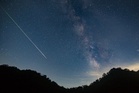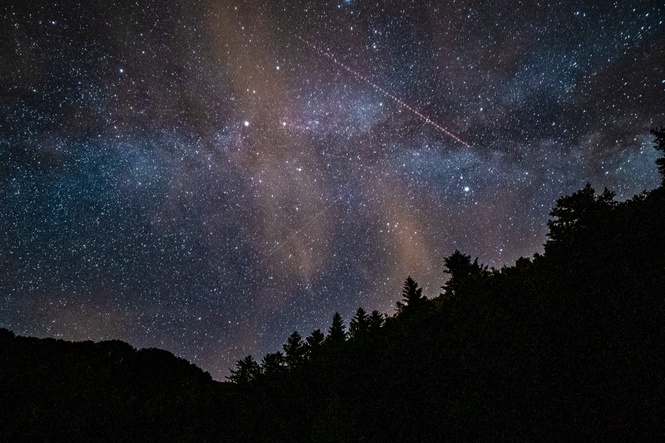
- The Orionid meteor shower reaches its peak from Wednesday night into Thursday morning, offering observers under ideal conditions up to 20 meteors per hour.
- Created by space dust from Halley's comet, the Orionids are known for being exceptionally fast and bright, often leaving behind lingering glowing tails.
- The meteors can be viewed across the entire sky in both the Northern and Southern hemispheres, with the best viewing times occurring after midnight and before dawn.
- No special equipment is required, though stargazers are advised to find a location far from city lights and allow their eyes about 30 minutes to adjust to the dark.
- A bright moon will limit early visibility until it sets late at night, with the next upcoming meteor shower, the Southern Taurids, expected to peak on Nov. 5.
IN FULL