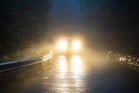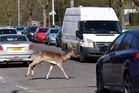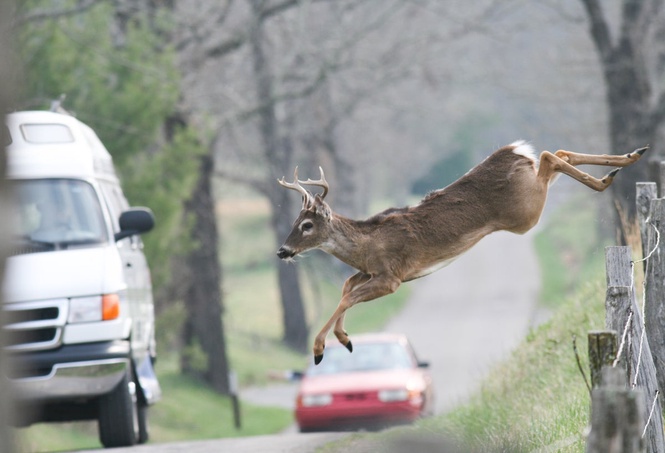
Figures show that over half of police-recorded animal-related injury vehicle collisions over the last five years occurred in the dark, raising concerns for motorists as the clocks go back this week ahead of winter.
A fresh analysis of Department for Transport statistics by Volvo found that 1,939 people suffered injuries or died in more than 1,500 animal-related incidents between 2021 and 2025.
Darkness was a factor in 54 per cent of these animal crashes, compared to 28 per cent for all reported injury collisions combined.
Rural routes proved especially dangerous, with 79 per cent of animal-related collisions taking place on country roads.
Furthermore, more than a quarter of these rural incidents resulted in fatal or serious injuries for those involved.
Drivers face longer nights and more difficult conditions as the clocks go back, while deer rutting season, which runs from late September to early November, increases the chance of animals crossing roads and highways.
Nicole Melillo Shaw, managing director of Volvo Car UK, said: “As the darker nights draw in and the clocks go back, greater driver awareness of the risks on the roads can make for a safer journey. Animals on the road can appear with little warning, and the data shows that these incidents are concentrated in darkness and on rural roads.
“At Volvo, decades of real-world safety knowledge have helped shape technologies such as Large Animal Detection, designed to identify hazards and brake when needed. But staying alert and adapting your speed to the conditions remain essential, especially on darker winter journeys.”
On a regional basis, the South East recorded 306 collisions between 2021 and 2025, followed by the South West with 226 and the East of England with 157.
The South East and South West accounted for 35 per cent of all animal-related personal-injury collisions recorded during the time period, in fact.
Autumn and winter are generally a more hazardous time to be a driver, but there are several steps motorists can take to make themselves safer.
Lights become even more critical when there is less daylight. Headlights do not merely illuminate the route ahead; they also ensure your vehicle is fully visible to other road users. As a result, issues like an unreplaced blown bulb can make road hazards considerably more dangerous.
As the wet weather rolls in, having the right tyres is essential. Tyres with a low amount of tread can’t displace water as effectively, so when it rains, they won’t allow your car to brake properly.
Tiredness is easier to succumb to when it’s dark outside. If you’re feeling weary behind the wheel, then make sure that you stop to take a break. Driving tired can have serious consequences, and even a short break can help to keep it at bay.