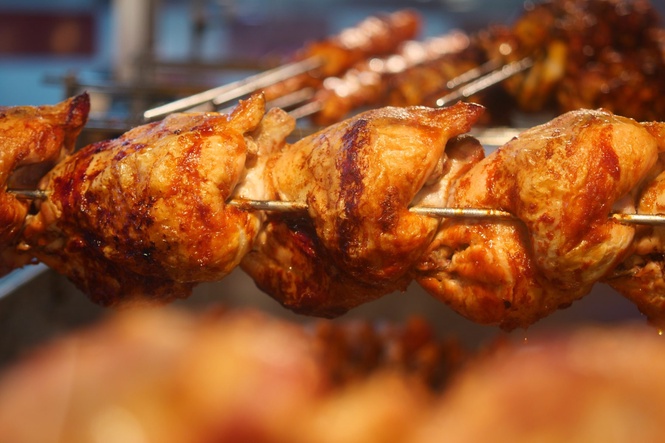
A grocery store rotisserie chicken often looks like an easy way to save money. It is already cooked, requires no preparation, and can become dinner with just a few sides. For busy households, picking one up instead of preparing raw chicken can make a lot of sense.
But the lowest price on the package does not always mean the best value. Some birds are smaller than others, a significant portion of their weight is bone, and certain households may not use all the meat before it goes bad. Comparing the actual amount of food you will eat with other grocery options can help determine whether that ready-to-eat chicken deserves a place in your cart.
The Sticker Price Doesn’t Tell the Whole Story
Rotisserie chickens are often advertised at attractive prices, but the cost can vary significantly by store. A USDA grocery retail report from October 2026 found conventional rotisserie chickens weighing under two pounds averaged $6.25 across nearly 1,000 stores. Another category of smaller chickens averaged $8.51, showing why shoppers should not assume every store offers the same bargain.
Weight matters as much as price. A smaller bird may cost less at checkout but provide fewer servings for a family. Compare the package weight and price rather than choosing the chicken with the lowest sticker price. A slightly more expensive bird may provide enough additional meat to make it the better purchase.
You’re Paying for Bones, Skin, and Other Parts You May Not Eat
A whole rotisserie chicken includes more than the meat that ends up on your plate. The package weight also includes bones, skin, and other portions that some households discard. That means the price per pound displayed on the package does not represent the cost of a pound of usable chicken meat.
This is why comparing a whole rotisserie chicken directly with boneless chicken breasts can be misleading. A raw whole chicken also contains bones and loses weight during cooking, so the comparison needs to account for edible yield. If you mainly want shredded chicken for casseroles, sandwiches, or salads, consider how much usable meat you will actually get from each option. The cheaper package is not necessarily the cheaper source of protein.
A Sale on Raw Chicken Could Be a Better Deal
Rotisserie chicken is not automatically less expensive than preparing chicken at home. Raw whole chickens, thighs, drumsticks, and boneless cuts can go on sale, sometimes making them more attractive for households willing to cook. The USDA’s November 2026 retail report listed conventional whole bagged fryers at an average of $1.37 per pound in its surveyed stores.
That price does not mean raw chicken will always cost less after cooking, and preparation requires time and energy. However, it gives shoppers a reason to check the meat department before heading to the deli counter. A discounted package of chicken thighs may provide more usable meat for a recipe than a small prepared bird. If you already plan to cook dinner at home, the raw option may be worth comparing.
Some Rotisserie Chickens Contain More Sodium Than Expected
Convenience is not the only consideration when choosing a prepared chicken. Some rotisserie products are seasoned or injected with solutions that include salt and other ingredients. Sodium levels can differ considerably between brands, so shoppers watching their intake should check the nutrition label when available.
Consumer Reports tested rotisserie chickens from several retailers in 2026 and found differences in sodium levels and ingredient lists. Some products contained added ingredients such as salt, sugar, sodium phosphate, and carrageenan, while others had simpler formulations. This does not mean every rotisserie chicken is an unhealthy purchase. It does mean that comparing labels can help shoppers choose a product that better matches their preferences.
Buying More Chicken Than You Can Use Creates Waste
A rotisserie chicken can be a smart purchase when a household has a plan for the leftovers. One bird can provide dinner, sandwich filling, chicken salad, or ingredients for soup. But buying a whole chicken for one meal may not be practical if only one or two people are eating.
If the remaining meat sits in the refrigerator until it has to be thrown away, the original bargain becomes less impressive. Think about how many meals you can realistically make before purchasing the chicken. You can remove the meat after dinner, divide it into smaller portions, and freeze what you will not use within the recommended refrigerated storage period. This helps turn one purchase into several meals instead of another source of food waste.
The Cost of Convenience Can Encourage Extra Spending
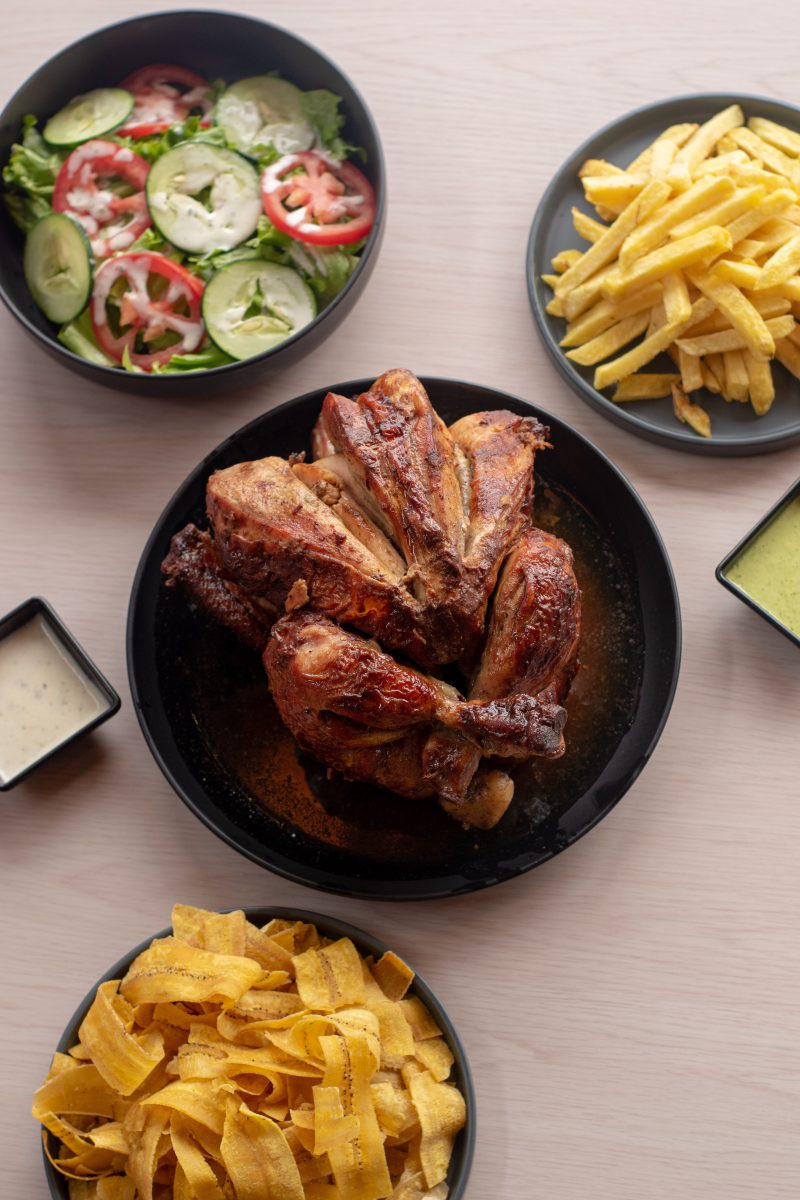
Rotisserie chickens are often positioned near other prepared foods, making it easy to build an entire dinner around the deli section. You might pick up the chicken, then add prepared macaroni and cheese, potato salad, rolls, and other sides. Before long, a purchase that started as a quick dinner solution can become a much larger grocery expense.
That does not mean prepared sides are always a bad purchase. They can save time, especially when cooking a full meal isn’t practical. But compare the cost of those extras with what you already have at home. A rotisserie chicken paired with pantry staples or leftover vegetables may be considerably less expensive than buying an entire prepared meal.
Membership and Store Promotions Can Change the Value
Some retailers are known for keeping rotisserie chicken prices especially low, while traditional supermarkets may charge more depending on size and preparation. Warehouse clubs can offer attractive prices, but shoppers should consider membership costs and whether they already shop there regularly. Making a separate trip or paying for a membership solely to buy chicken may eliminate the savings.
Store promotions can also change the comparison. A supermarket might discount raw chicken, offer a loyalty deal, or lower the price of prepared food near closing time. Check the weekly advertisement and compare options before deciding. The best purchase depends on the prices and portions available at the store you are actually visiting.
When Rotisserie Chicken Really Is Worth Buying
Rotisserie chicken can still be an excellent grocery purchase when the price is competitive and you will use most of the meat. It offers a ready-to-eat protein option without requiring cooking time, cleanup, or advance preparation. For families who can turn one bird into multiple meals, the convenience and potential savings can make it worthwhile.
The key is to look beyond the package price. Check the weight, consider how much meat your household will eat, compare raw chicken promotions, and read the nutrition information when available. A rotisserie chicken is a good deal when its price, usable portions, and convenience match your needs. It is not automatically the best value simply because it is already cooked.
The post Why Grocery Store Rotisserie Chicken Isn’t Always the Best Value appeared first on Grocery Coupon Guide.