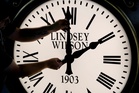
Most Americans will gain an extra hour of precious sleep on Sunday, as daylight saving time comes to an end once again.
The clocks for the US – with the exception of Hawaii and parts of Arizona – will “fall back” at 2am local time on 1 November. Standard time will last until 14 March, when the clocks will “spring forward” an hour.
Despite the extra lay-in, the twice-yearly clock changes are becoming increasingly unpopular. A 2025 AP-NORC poll showed that only 12 percent of American adults are in favour of daylight saving time – while almost half oppose it.
How clock changes can impact your sleep
While Americans will gain an extra hour in bed to recover from their Halloween festivities, daylight saving time also means the days are getting shorter.
In New York, for example, the sun will set at around 6.03pm on Monday. By 1 December, sunset will occur at 4.29pm.
The early darkness means less daylight after work or school, a particular problem for those suffering with seasonal affective disorder (SAD) – a type of depression usually linked to less sunlight and shorter days.
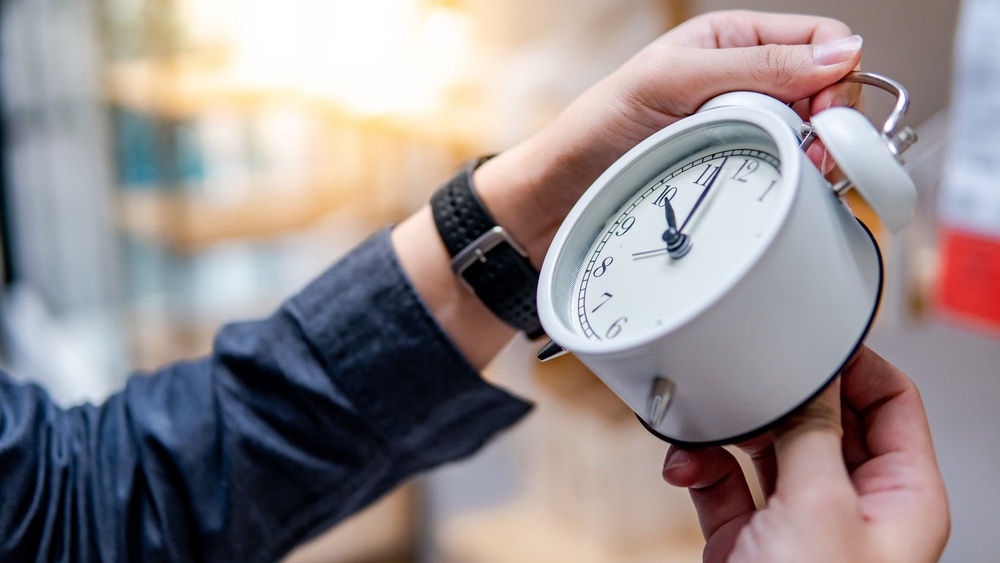
Many people easily adjust to the clock switch, like how they recover from jet lag after traveling. But a time change can add pressure on shift workers whose schedules already are out of sync with the sun, or those regularly sleep-deprived for other reasons.
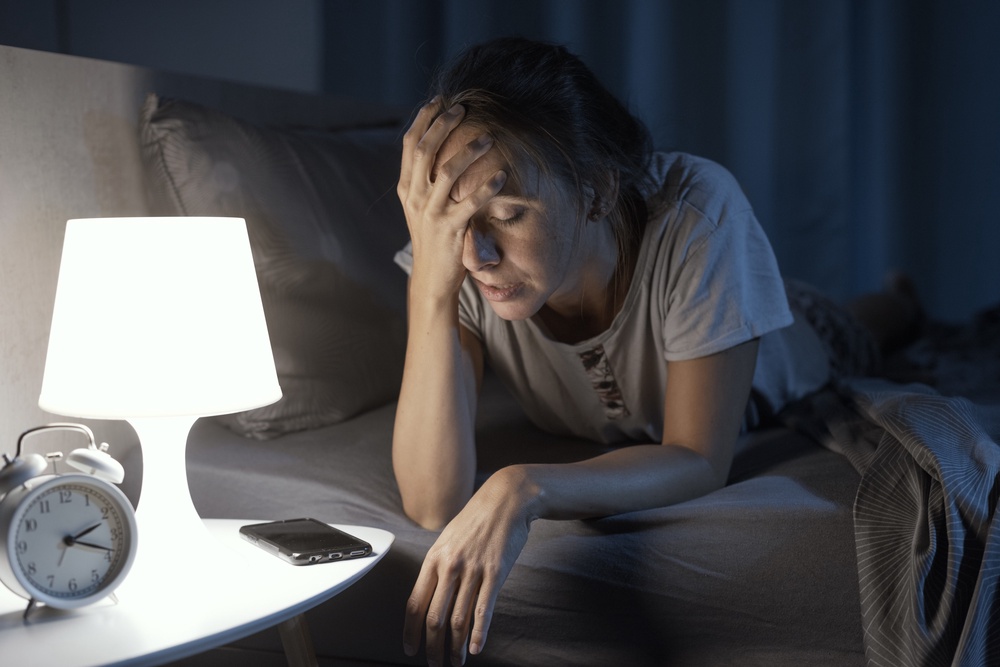
About one in three US adults sleep less than the recommended seven-plus hours nightly, and more than half of US teens don’t get the recommended eight-plus hours on weeknights.
How to prepare for daylight savings time to end
Changing your bedtimes by as little as 15 minutes a night in the days before the change can help people ease into the switch.
The brain has a master clock that is set by exposure to sunlight and darkness. This circadian rhythm is a roughly 24-hour cycle that determines when we become sleepy and when we’re more alert. The patterns change with age, one reason that early-to-rise youngsters evolve into hard-to-wake teens.
Morning light is key to synchronising that internal clock. It’s why experts recommend getting outside for some morning sun, or sitting by your window if you can’t go outdoors.
By evening, levels of a hormone called melatonin begin to surge, triggering drowsiness. Too much light in the evening — whether from later time outdoors during daylight saving time or from artificial light like computer screens — delays that surge and the cycle gets out of sync.
Read MoreThe one group whose sleep cycle may benefit from the clocks going back an hour
How to help your body adjust after the clocks changed last night
What happens when a simple workout transcends into an ‘experience’