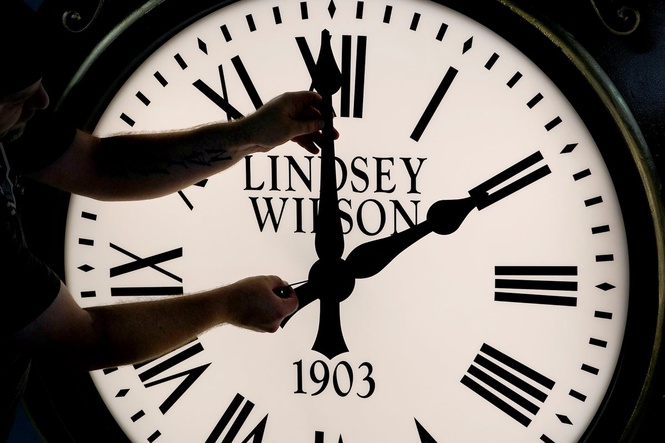
Daylight saving time ends in the U.S. on Sunday at 2 a.m. local time, granting Americans an extra hour of sleep as clocks fall back to standard time until March 14, though it also leads to earlier darkness in the evening.
Public opinion remains largely against the twice-yearly time changes, with an AP-NORC poll indicating only 12 percent of U.S. adults support it, while health organizations advocate for year-round standard time to align with human circadian rhythms.
Shifting the clock can disrupt internal circadian rhythms that control sleep and other vital physiological functions, worsening issues for shift workers, sleep-deprived individuals, and those with seasonal affective disorder.
Sleep experts say changing bedtimes by as little as 15 minutes a night in the days before the change can help ease into it.
And sunshine in the morning is critical in helping reset your circadian rhythm for healthful sleep. If you can’t get outdoors, sit by windows.
IN FULL
15-minute hack to prepare for daylight saving time as most Americans to gain an extra hour of sleep